Is Mykonos Safe in 2026?

The honest Mykonos safety answer for 2026. Meltemi wind risk, the taverna and beach club scam patterns, neighborhood-by-neighborhood breakdown, and the villa advantage.

The short answer, from an operator who runs villas on the island: yes, Mykonos is safe for a luxury traveler in 2026. Violent crime against tourists is close to zero, the island runs on tourism with heavy police presence in Chora and on the beaches, and a staffed villa on the west or south coast removes the practical friction before you meet it. The honest answer takes another two thousand words, because the risk on Mykonos is not the risk people imagine. It is not muggings or club violence. It is the meltemi wind, the cliff-edge roads, the taverna and beach-club bill patterns, and a summer sun that punishes anyone who forgets to drink water for a morning. This guide walks each one down. Villa Lavan, Aleomandra The Actual Risk Picture Mykonos operates under Greek law, sits inside the European Union, and depends entirely on tourism for its economy. The Hellenic Police staff Chora, Ornos, Platis Gialos, and Paradise Beach visibly through the season, and the fire, coast guard, and medical services are professional and English-speaking. Tourist crime statistics for the Cyclades are, in a European context, low. Pickpocketing at the port during ferry loading is the most common actual crime, targeting distracted travelers wrangling suitcases. Scams around inflated taverna bills and bottle-service beach clubs are common enough that they need a section of their own below, but they are commercial disputes, not physical risk. Mykonos has not had a meaningful terrorism incident, a natural disaster affecting tourists, or a political disruption in the last two decades. The real risk picture on Mykonos is environmental and logistical. The meltemi is a strong north wind that blows across the Aegean in high summer, most intense July through mid-September, occasionally reaching seven or eight on the Beaufort scale, cancelling ferries and small aircraft, closing north-facing beaches, and sending anything unsecured (parasols, glassware, deckchairs) flying. Every year at least one small charter boat is caught out by an unexpected meltemi day. Cliff-edge roads without guardrails, driven by rented ATVs and quads by tourists with no experience, generate the vast majority of Mykonos hospital admissions. Dehydration and sunstroke in the July-August heat send a steady stream of travelers to the private clinic. Those are the real risks. A villa, a driver, and the discipline to check the weather in advance handle every one of them. Neighborhood by Neighborhood Where you sleep on Mykonos shapes the week more than on almost any other island, because the winds and the party geography are directional. Aleomandra, on the southwest coast between Ornos and Ag. Ioannis, is where several of our villas sit. It is protected from the meltemi by the ridge above, it faces the sunset over Delos, it is a fifteen-minute drive from Chora, and it stays quiet at night. This is where families and honeymoon couples default. Kanalia is the same idea: west coast, sunset-facing, walking-distance to

The short answer, from an operator who runs villas on the island: yes, Mykonos is safe for a luxury traveler in 2026. Violent crime against tourists is close to zero, the island runs on tourism with heavy police presence in Chora and on the beaches, and a staffed villa on the west or south coast removes the practical friction before you meet it. The honest answer takes another two thousand words, because the risk on Mykonos is not the risk people imagine. It is not muggings or club violence. It is the meltemi wind, the cliff-edge roads, the taverna and beach-club bill patterns, and a summer sun that punishes anyone who forgets to drink water for a morning. This guide walks each one down.

The Actual Risk Picture

Mykonos operates under Greek law, sits inside the European Union, and depends entirely on tourism for its economy. The Hellenic Police staff Chora, Ornos, Platis Gialos, and Paradise Beach visibly through the season, and the fire, coast guard, and medical services are professional and English-speaking. Tourist crime statistics for the Cyclades are, in a European context, low. Pickpocketing at the port during ferry loading is the most common actual crime, targeting distracted travelers wrangling suitcases. Scams around inflated taverna bills and bottle-service beach clubs are common enough that they need a section of their own below, but they are commercial disputes, not physical risk. Mykonos has not had a meaningful terrorism incident, a natural disaster affecting tourists, or a political disruption in the last two decades.

The real risk picture on Mykonos is environmental and logistical. The meltemi is a strong north wind that blows across the Aegean in high summer, most intense July through mid-September, occasionally reaching seven or eight on the Beaufort scale, cancelling ferries and small aircraft, closing north-facing beaches, and sending anything unsecured (parasols, glassware, deckchairs) flying. Every year at least one small charter boat is caught out by an unexpected meltemi day. Cliff-edge roads without guardrails, driven by rented ATVs and quads by tourists with no experience, generate the vast majority of Mykonos hospital admissions. Dehydration and sunstroke in the July-August heat send a steady stream of travelers to the private clinic. Those are the real risks. A villa, a driver, and the discipline to check the weather in advance handle every one of them.

Neighborhood by Neighborhood

Where you sleep on Mykonos shapes the week more than on almost any other island, because the winds and the party geography are directional. Aleomandra, on the southwest coast between Ornos and Ag. Ioannis, is where several of our villas sit. It is protected from the meltemi by the ridge above, it faces the sunset over Delos, it is a fifteen-minute drive from Chora, and it stays quiet at night. This is where families and honeymoon couples default. Kanalia is the same idea: west coast, sunset-facing, walking-distance to the smaller sandy coves that never draw a crowd. Both are secure by design, sparsely populated, and away from the sound of any club.

Elia and Kalo Livadi on the south coast are quieter beach communities with a small number of tavernas and no clubs. Elia in particular is where villas with pools sit above a two-kilometer sand beach; the beach itself is well-marked and lifeguarded in season. Panormos and Ftelia are on the north coast: the meltemi hits them first, so wind conditions matter for choosing days on those beaches, but the villas above them are the most private on the island. Ornos, Platis Gialos, and Psarou are the busier south coast: still perfectly safe, but louder, more crowded, and where beach-club prices reach five-figures for a day cabana. Paradise and Super Paradise are the party beaches; nothing is unsafe about them by day, but they are not where you sleep. Chora and the Little Venice quarter are picture-postcard beautiful and thin-alleyed; walking home at 2am is safe but slow, and the alleys are easy to get lost in.

Above all, the villa neighborhoods on the west and south coast (Aleomandra, Kanalia, Elia, Kalo Livadi, Ag. Lazaros, Tourlos) are gated properties served by private access roads. Once you close the gate, the entire outside picture stops being your problem. The taxi-scam version of Mykonos has never touched you, the meltemi is landscape, and the beach clubs are somewhere you visit on your terms.

Month by Month

The Mykonos safety calendar is dominated by wind and crowd. Late April through mid June is the shoulder: warm days, cool evenings, mild wind, open beaches, moderate prices, and everything running well. This is when families with school-age kids who can travel outside term go, and honeymoons that want the island without the hedonism. Mid June through early July is high season warming up: prices climb, clubs open in full, the ferry schedule expands, and the first meltemi days begin. Early July to mid August is peak: everything is at maximum, the meltemi can arrive at any point and cancel a day, and prices at bottle-service venues become the story people tell.

The week August 10 to 20 is different in kind, not degree. It is Greek internal holiday season around the Assumption of Mary (August 15), which piles onto the international peak, and every crowd, price, and scam attempt triples on the island. If your calendar allows any other week, take it. If it does not, book everything (ferry, transfers, restaurants, beach cabanas) six weeks in advance and expect long queues for everything else. From late August the pressure eases, and September into early October is arguably the best month on Mykonos: warm sea, thinning crowds, meltemi calming, prices dropping. Mid October the island winds down and much of the beach infrastructure closes for winter; November through March, Mykonos is very quiet, and only some restaurants, hotels, and a small number of villas stay open. Winter travel is safe and quiet, but the
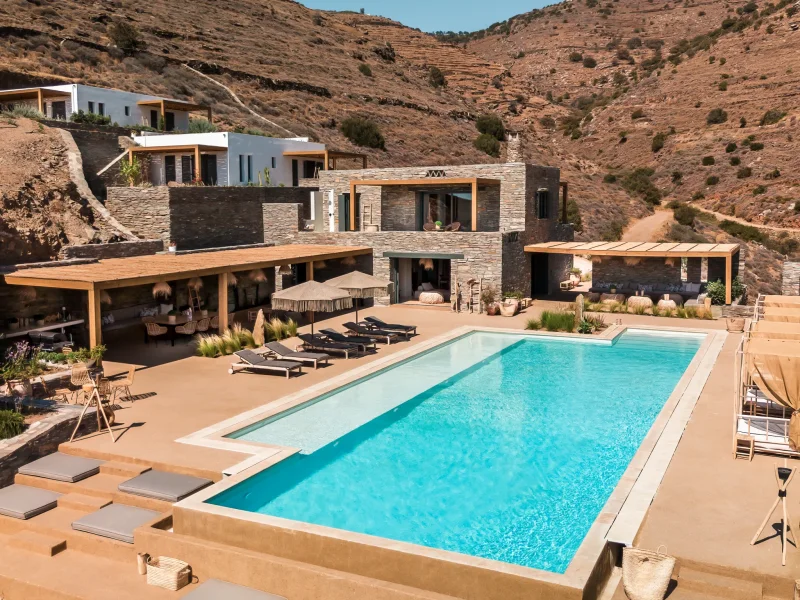
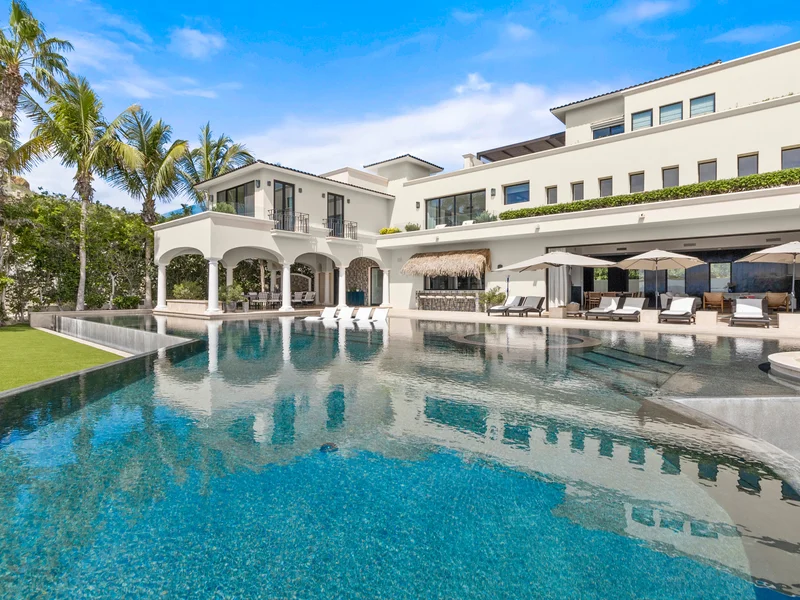
Whitewashed private villa in Mykonos with an infinity pool overlooking the Aegean at golden hour
Guides
MYKONOS

Is Mykonos Safe in 2026?

A Luxury Traveler's Honest Guide
Cameron Elder
·
September 21, 2026
·
12 min read
The honest Mykonos safety answer for 2026. The meltemi risk that outranks any crime concern, the neighborhoods to sleep in, the taverna scams to know, and how a villa removes it all.
The short answer, from an operator who runs villas on the island: yes, Mykonos is safe for a luxury traveler in 2026. Violent crime against tourists is close to zero, the island runs on tourism with heavy police presence in Chora and on the beaches, and a staffed villa on the west or south coast removes the practical friction before you meet it. The honest answer takes another two thousand words, because the risk on Mykonos is not the risk people imagine. It is not muggings or club violence. It is the meltemi wind, the cliff-edge roads, the taverna and beach-club bill patterns, and a summer sun that punishes anyone who forgets to drink water for a morning. This guide walks each one down.
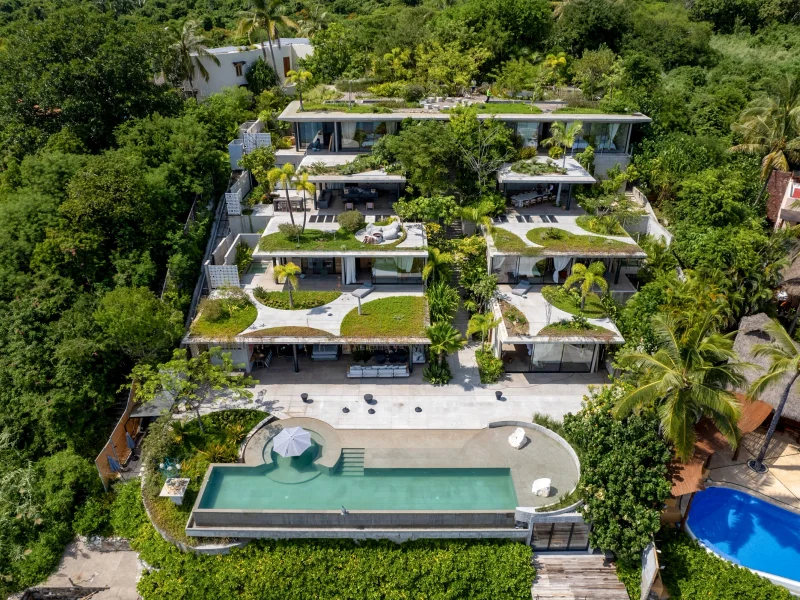
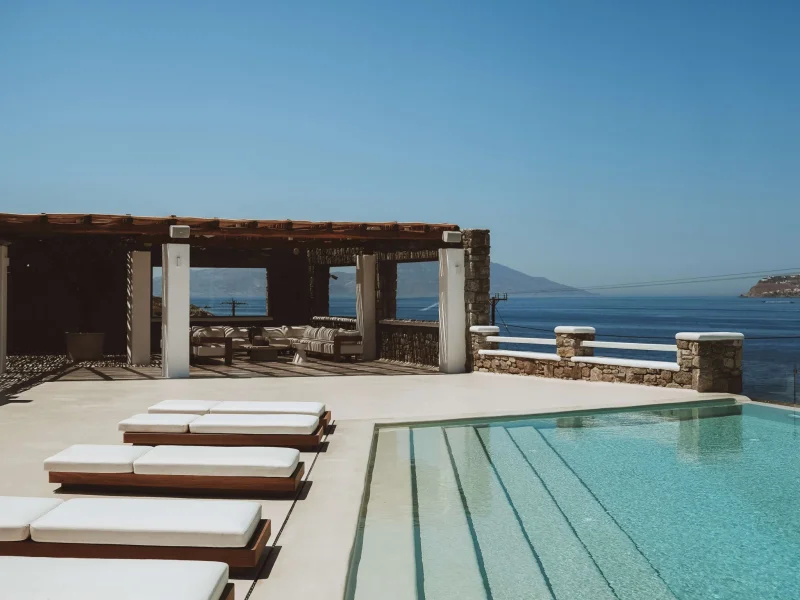
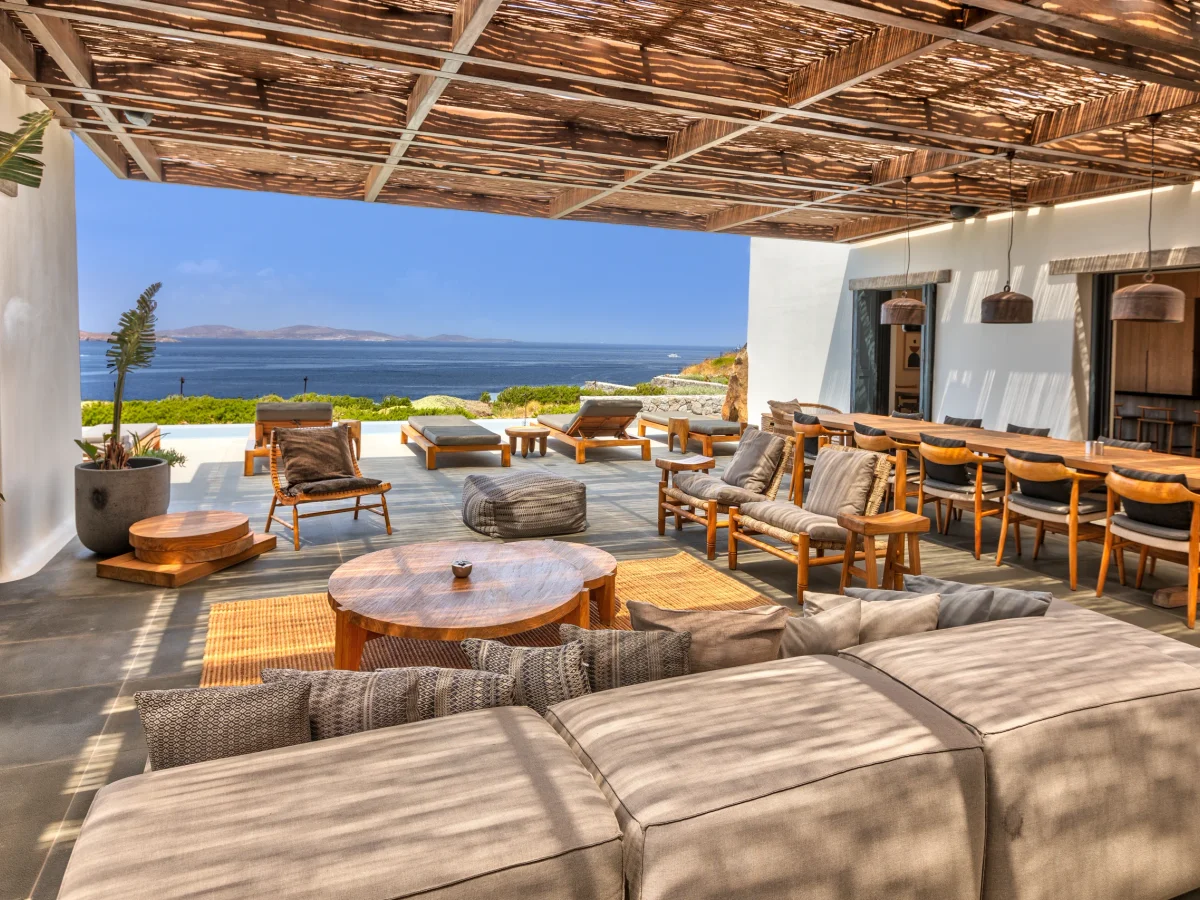
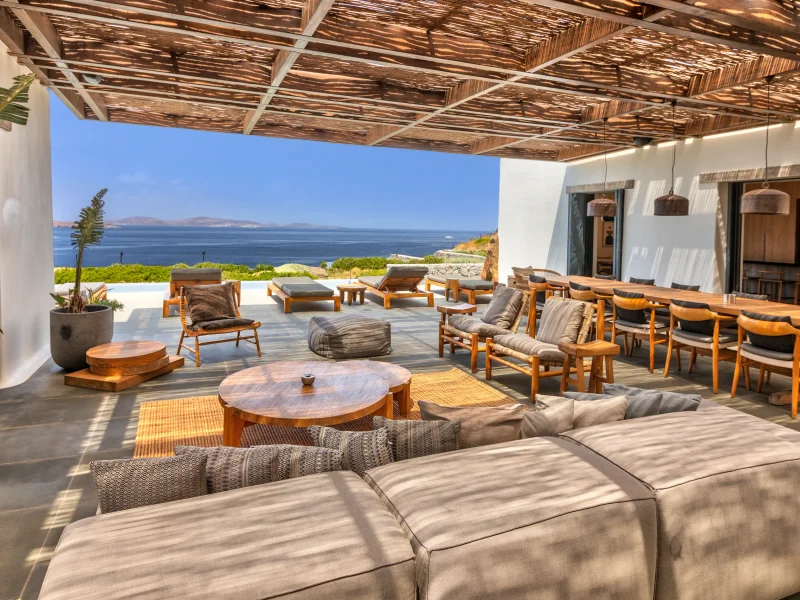
Whitewashed Mykonos villa with an infinity pool and Aegean sunset behind, terrace set with cushioned daybeds
Villa Lavan, Aleomandra

The Actual Risk Picture

Mykonos operates under Greek law, sits inside the European Union, and depends entirely on tourism for its economy. The Hellenic Police staff Chora, Ornos, Platis Gialos, and Paradise Beach visibly through the season, and the fire, coast guard, and medical services are professional and English-speaking. Tourist crime statistics for the Cyclades are, in a European context, low. Pickpocketing at the port during ferry loading is the most common actual crime, targeting distracted travelers wrangling suitcases. Scams around inflated taverna bills and bottle-service beach clubs are common enough that they need a section of their own below, but they are commercial disputes, not physical risk. Mykonos has not had a meaningful terrorism incident, a natural disaster affecting tourists, or a political disruption in the last two decades.
The real risk picture on Mykonos is environmental and logistical. The meltemi is a strong north wind that blows across the Aegean in high summer, most intense July through mid-September, occasionally reaching seven or eight on the Beaufort scale, cancelling ferries and small aircraft, closing north-facing beaches, and sending anything unsecured (parasols, glassware, deckchairs) flying. Every year at least one small charter boat is caught out by an unexpected meltemi day. Cliff-edge roads without guardrails, driven by rented ATVs and quads by tourists with no experience, generate the vast majority of Mykonos hospital admissions. Dehydration and sunstroke in the July-August heat send a steady stream of travelers to the private clinic. Those are the real risks. A villa, a driver, and the discipline to check the weather in advance handle every one of them.

Neighborhood by Neighborhood

Where you sleep on Mykonos shapes the week more than on almost any other island, because the winds and the party geography are directional. Aleomandra, on the southwest coast between Ornos and Ag. Ioannis, is where several of our villas sit. It is protected from the meltemi by the ridge above, it faces the sunset over Delos, it is a fifteen-minute drive from Chora, and it stays quiet at night. This is where families and honeymoon couples default. Kanalia is the same idea: west coast, sunset-facing, walking-distance to the smaller sandy coves that never draw a crowd. Both are secure by design, sparsely populated, and away from the sound of any club.
Elia and Kalo Livadi on the south coast are quieter beach communities with a small number of tavernas and no clubs. Elia in particular is where villas with pools sit above a two-kilometer sand beach; the beach itself is well-marked and lifeguarded in season. Panormos and Ftelia are on the north coast: the meltemi hits them first, so wind conditions matter for choosing days on those beaches, but the villas above them are the most private on the island. Ornos, Platis Gialos, and Psarou are the busier south coast: still perfectly safe, but louder, more crowded, and where beach-club prices reach five-figures for a day cabana. Paradise and Super Paradise are the party beaches; nothing is unsafe about them by day, but they are not where you sleep. Chora and the Little Venice quarter are picture-postcard beautiful and thin-alleyed; walking home at 2am is safe but slow, and the alleys are easy to get lost in.
Above all, the villa neighborhoods on the west and south coast (Aleomandra, Kanalia, Elia, Kalo Livadi, Ag. Lazaros, Tourlos) are gated properties served by private access roads. Once you close the gate, the entire outside picture stops being your problem. The taxi-scam version of Mykonos has never touched you, the meltemi is landscape, and the beach clubs are somewhere you visit on your terms.

Month by Month

The Mykonos safety calendar is dominated by wind and crowd. Late April through mid June is the shoulder: warm days, cool evenings, mild wind, open beaches, moderate prices, and everything running well. This is when families with school-age kids who can travel outside term go, and honeymoons that want the island without the hedonism. Mid June through early July is high season warming up: prices climb, clubs open in full, the ferry schedule expands, and the first meltemi days begin. Early July to mid August is peak: everything is at maximum, the meltemi can arrive at any point and cancel a day, and prices at bottle-service venues become the story people tell.
The week August 10 to 20 is different in kind, not degree. It is Greek internal holiday season around the Assumption of Mary (August 15), which piles onto the international peak, and every crowd, price, and scam attempt triples on the island. If your calendar allows any other week, take it. If it does not, book everything (ferry, transfers, restaurants, beach cabanas) six weeks in advance and expect long queues for everything else. From late August the pressure eases, and September into early October is arguably the best month on Mykonos: warm sea, thinning crowds, meltemi calming, prices dropping. Mid October the island winds down and much of the beach infrastructure closes for winter; November through March, Mykonos is very quiet, and only some restaurants, hotels, and a small number of villas stay open. Winter travel is safe and quiet, but the meltemi is replaced by cold north winds and rougher seas that cancel ferries.
The Meltemi, Explained

The meltemi is the practical risk on the island and it deserves specific detail. It is a strong dry north wind driven by high pressure over the Balkans and low pressure over Turkey, blowing across the Aegean, most intense in July and August, present in different intensities from May through September. On strong days it hits Beaufort seven or eight, occasionally nine. That level closes ferry routes between the Cyclades (particularly the short Mykonos-Tinos and Mykonos-Paros hops), grounds propeller aircraft into Mykonos airport, closes northern beaches (Panormos, Ftelia, Fokos), and sends parasols and lounge chairs flying on south beaches. Beach club and taverna staff manage it as routine, but a small chartered yacht caught out during a strong meltemi day is genuinely at risk; every year a story like that appears in local news.
What to do about it: check the forecast every morning of your stay, treat any meltemi warning above force six as a plan-changing event, do not charter a small boat on a strong meltemi day (a large stabilised motor yacht is fine), do not book flights or ferries with tight connections on the day out or back (leave a buffer of half a day at minimum, ideally a full day around your international flight home), and use the day inside the villa if the wind is howling. The pool is protected, the interior is quiet, and the day becomes a book-and-lunch day rather than a spoiled day at the beach.

The Actual Money Trap: Tavernas and Beach Clubs

The Mykonos "scam" story that dominates travel forums is real, but it is a commercial pattern, not physical risk. Two shapes to know. The taverna trap: you sit down without a menu, order fish "by weight" without confirming price per kilo, and end up with a bill for two thousand euros for a fish for two. Prevention is simple: ask for a printed menu with prices before ordering, confirm the total price of any weighed-by-kilo item before it goes to the kitchen, and if a taverna refuses to price things in advance, walk out.
The beach club trap: you are seated at a cabana without a rate sheet, the bottle service starts arriving on the assumption you want it, and the bill runs into the tens of thousands for an afternoon. Prevention: confirm minimum spend and cabana rate at the front before you sit down, request the bottle list with prices before ordering, and use a credit card so you have chargeback protection if a bill is manifestly inflated. Nammos, Scorpios, Principote, and the other headline clubs each publish rate sheets to concierges in advance; a villa concierge is the fastest way to arrive at your table knowing what a real bill should look like. This is also why we insist on a concierge-booked cabana rather than a walk-up arrangement.
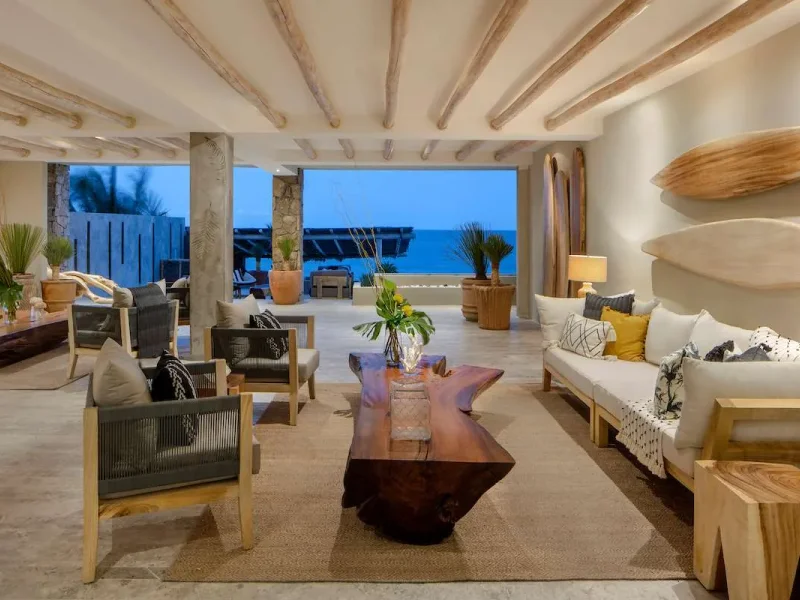
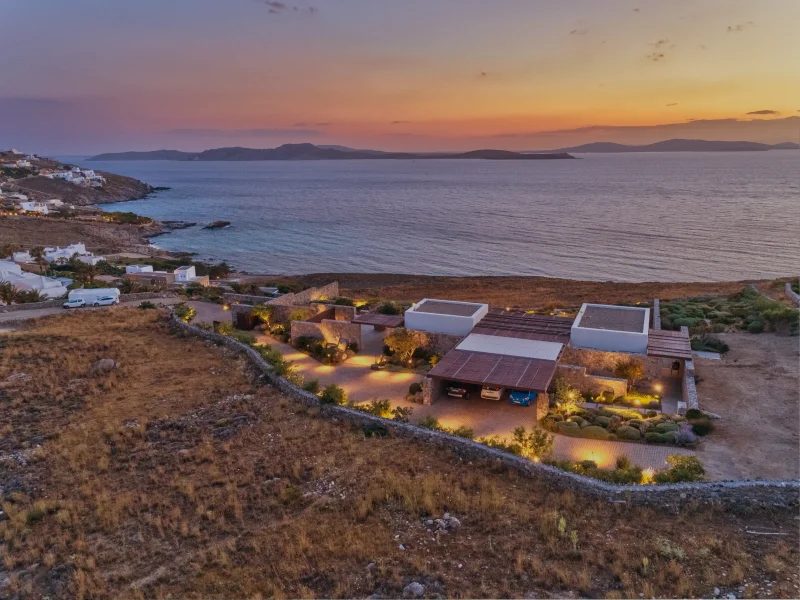
Mykonos villa terrace at sunset with lounge sofas and a stone-clad infinity pool looking out over the Aegean
Villa Lavan, Aleomandra
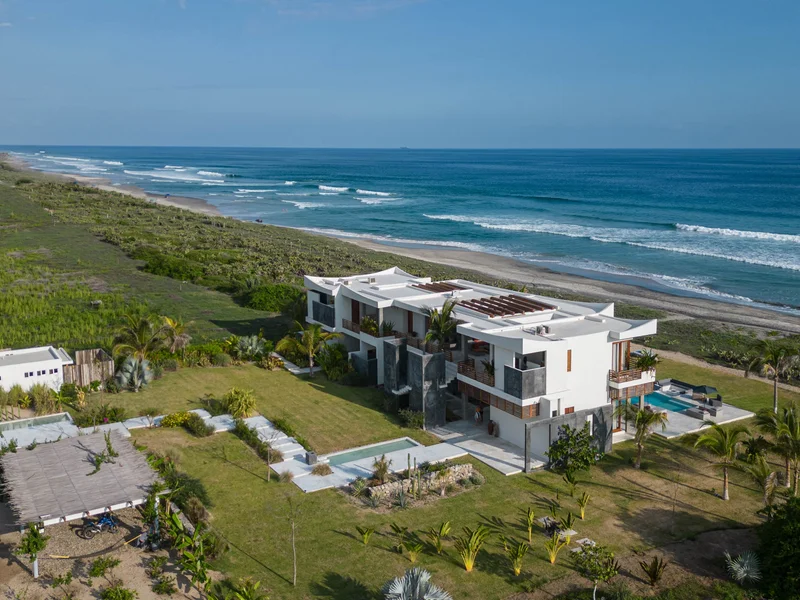
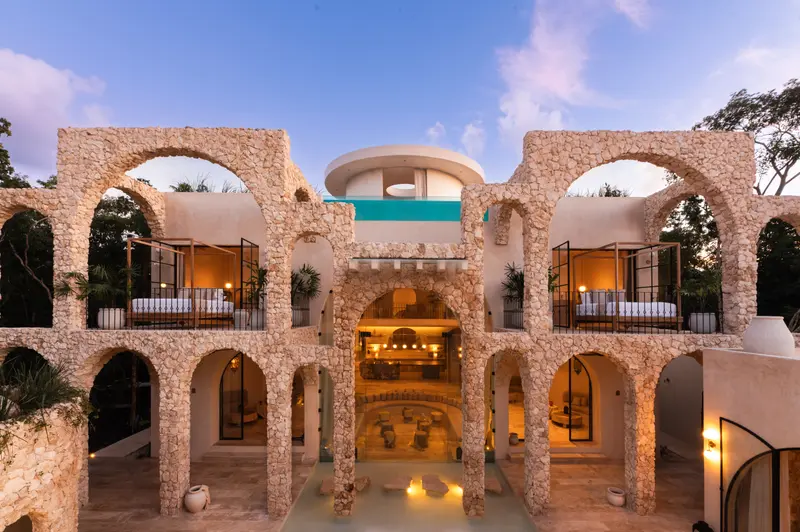
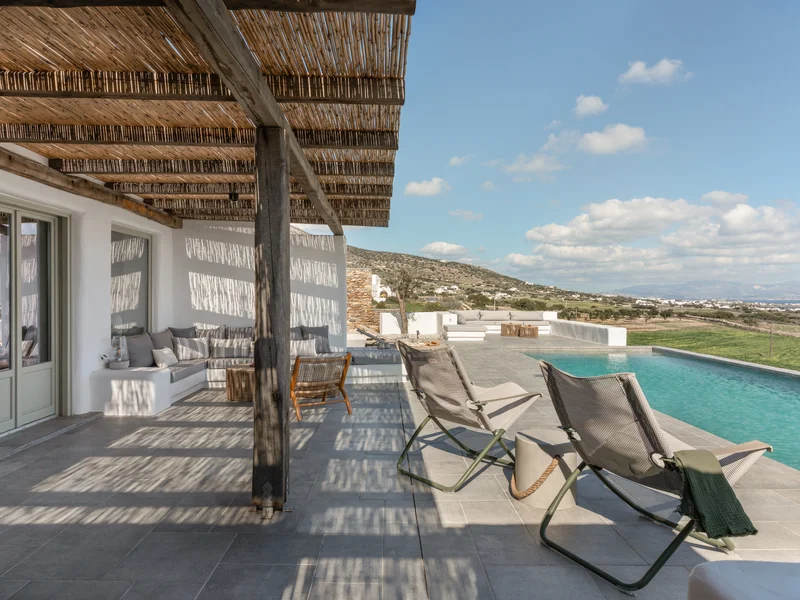
Whitewashed Mykonos villa exterior with a stone terrace and an ocean view from the property line
Villa Mandra, Mykonos

Driving and the Roads

The single most common tourist injury on Mykonos is an ATV, quad, or moped accident on a cliff-edge road. The roads are narrow, unlit outside built-up areas, without guardrails on many sections, and shared with tour buses, delivery trucks, and other tourists who have never driven the terrain. Rental ATVs and quads look fun on Instagram and they are how a real percentage of visitors end their week at the private clinic. Our position: we do not arrange them for guests. Every excursion goes with a professional driver in a proper vehicle, and every rental car we do arrange is booked with a driver.
If you insist on driving yourself, take a full-size car, not an ATV or quad, keep to daylight hours, and treat the coastal roads to the north beaches and to Elia with real caution. And if you have been drinking, do not drive; call your villa driver, who is on WhatsApp and will get you home.

The Villa Advantage on Mykonos Specifically

The villa advantage on Mykonos is the transport and the metering. A staffed villa on the west or south coast comes with a driver on WhatsApp, a concierge who knows what a real cabana or taverna bill should look like, a private pool for the meltemi days, and a fully stocked kitchen so you never need to sit down at a restaurant that refuses to hand you a menu. The Chora scenes stay on your terms rather than the taxi driver's. Every one of the Mykonos-specific risks named in this guide is handled by the same combination: staffed villa, professional driver, concierge who pre-books the beach cabana and the restaurant, and a weather check every morning. That is the practical version of "the villa advantage" on this particular island.

What to Skip and What to Say No To

ATVs, quads, and mopeds, the number-one cause of Mykonos hospital visits, no matter how good you are on two wheels
Any taverna that refuses to hand you a printed menu with prices, or any restaurant pushing "our fresh catch" without a printed price per kilo
Beach clubs without a written cabana rate and minimum-spend at the door, or with staff pushing bottle service before you have asked
Small-boat charters on strong meltemi days (Beaufort six or higher); reschedule or take a large stabilised yacht
Tight connection times on the day of your international flight home; leave a buffer of a full day where possible
Walking home at 2am through the deep Chora alleys alone; take a taxi or your villa driver
Cash-only vendors for anything above dinner, use a credit card so you have chargeback protection
Drone flying in the Chora or over the archaeological site of Delos; both are restricted and enforcement is real

Solo and LGBTQ+ Travel

Mykonos is one of the most established LGBTQ+ destinations in Europe. It has been for decades, the community is open, and public displays of affection are entirely unremarkable. Solo female travelers on Mykonos are as safe as they are in any major European city, arguably safer because the tourist infrastructure is dense and the police are visible. Verbal attention at bars is common in high summer, mostly harmless, and handled with the usual room-key-in-hand awareness. The private clinic in Chora handles the small number of issues that do come up. If you are traveling solo and want a base that is quiet at night, choose Aleomandra or Kanalia rather than Chora itself.

The Honest Bottom Line

Mykonos is a low-risk island for a luxury traveler in 2026, and the safety story is dominated by the meltemi, the roads, and the money mechanics of the party economy, not by physical risk. A staffed villa in Aleomandra or Kanalia with a driver and a concierge solves every one of them at the same time. If you skip the ATV, book cabanas and tavernas through the concierge, leave a day of buffer around your flight home, and check the forecast every morning, the only thing you will bring home from this island is a strong opinion about the sunset from your terrace.
Key Takeaways
Mykonos is among the safest islands in Europe for a luxury traveler; violent crime against tourists is close to zero
The real risks are the meltemi wind, cliff-road driving, the scale of beach-club bills, and dehydration from summer sun
A staffed villa on the west or south coast removes the transport, hydration, and money-management problems in one move
The high-season week (August 10-20) triples every crowd, price, and taverna-scam attempt on the island
Ferries and small aircraft cancel routinely in July-September meltemi; leave a day of buffer around your flight home

Frequently Asked Questions

Is Mykonos safe for solo female travelers?
Yes, at European-major-city levels. Verbal attention at bars is common in high summer and mostly harmless. Base yourself in Aleomandra, Kanalia, or one of the quieter south-coast villa neighborhoods rather than in Chora itself, use a villa driver rather than walking home late from the port area, and treat this like a safe modern city where the standard urban precautions apply.
What is the meltemi and does it affect my trip?
The meltemi is a strong dry north wind that blows across the Aegean, most intense July through mid-September. On strong days it cancels ferries, grounds propeller aircraft, closes northern beaches, and makes small-boat charters unsafe. Leave a day of buffer around your international flight home, do not book a small charter yacht on a strong meltemi day, and if the forecast shows Beaufort seven, plan a pool day at the villa.
Are the taverna scams real?
Yes, the pattern is real: a fish priced by weight without a written per-kilo rate, no menu handed over, and a bill that arrives in the thousands. Prevention is simple. Ask for a printed menu with prices before ordering, confirm the total price of anything weighed-by-kilo before it goes to the kitchen, and if the restaurant refuses to price in advance, walk out. Concierge-booked tavernas do not do this.
Is it safe to drive an ATV in Mykonos?
No. ATVs and quads on the cliff roads generate the majority of Mykonos hospital admissions each summer. Rent a full-size car if you must drive yourself, keep to daylight hours, and take a professional driver for the airport, ferry port, and beach transfers. Every year a share of visitors ends their week at the private clinic because they thought an ATV would be fine.
Which week should we entirely avoid?
August 10 to 20 if the calendar allows any other week. That window overlaps the Greek internal holiday around the Assumption of Mary on August 15 and the international peak, and every price, crowd, and scam attempt triples. Late April to mid June and late August through September are the highest-value times to be on the island.
Is it safe to walk home in Chora at night?
Yes, but the deep alleys of the old town are easy to get lost in and unlit in stretches. If you are walking, use offline maps; if you are tired or have been drinking, call your villa driver. Standard European city precautions apply. Mykonos is not a high-crime city; it is a maze at 2am.
Can I drink the tap water in Mykonos?
Chora and Tourlos generally have safe tap water. Outside the main areas the water is often desalinated or from tanks and tastes strongly of chlorine; villa staff supply bottled water. If in doubt, stick to bottled water and use it for teeth brushing.
What if we need medical care?
The private medical clinic in Chora handles most tourist issues and is competent and English-speaking. For anything serious you will be transferred by air ambulance to Athens. Full travel insurance with air evacuation coverage is worth having; almost every luxury insurance policy includes it.
Follow the journey @erentalsexclusive + @aurelseyez
Villa tours, destination guides, and behind-the-scenes content from the team on the ground
Cameron Elder
Founder, ERentals Exclusive
greece
mykonos
safety
travel-tips
See it in motion
From the feed
Real stays, real light. Press play or watch the full reel on Instagram.
Stay in the loop
© 2026 ERentals Exclusive