Is Marrakech Safe in 2026?

The honest Marrakech safety answer for 2026. Medina scam patterns, month-by-month risk, Palmeraie versus Guéliz versus Hivernage, and what changes in Ramadan.

The short answer, from an operator who runs villas here: yes, Marrakech is safe for a luxury traveler in 2026. Violent crime against tourists is genuinely rare, the city is one of the more secure large cities in North Africa, and a staffed private villa removes almost every practical safety question before it can even come up. The honest answer takes another two thousand words, because the risk in Marrakech is not the risk people imagine. It is not knives or kidnappings. It is the medina scam patterns, one week of the year when the pace of the city changes, and a road network that punishes complacency. This guide names each one and tells you which parts a villa and a driver simply solve for you. Villa Aurea, Palmeraie de Marrakech The Actual Risk Picture, from the Ground Marrakech is a monitored, tourism-dependent city. The Moroccan government treats attacks on visitors as existential threats to a huge share of national income and staffs the tourist quarters accordingly. The Brigade Touristique in plain clothes and uniformed police are present around Jemaa el-Fnaa, along the derb that lead to popular riads, and at the taxi ranks. The last major incident affecting foreign tourists was the 2011 Argana Café bombing in Jemaa el-Fnaa, which killed seventeen people. Security has been visibly heavier ever since, and nothing of that scale has happened again in fifteen years. Between then and now, Marrakech has hosted the COP22 climate summit, absorbed millions of visitors annually, and, in September 2023, went through the Al Haouz earthquake without a meaningful spike in crime against tourists. The city is closer to Lisbon or Seville in real risk profile than to anywhere the headlines suggest. What actually happens to tourists in Marrakech, day to day, is scams and pressure sales. Someone attaches themselves to you in the medina and starts guiding you toward a friend's shop. A woman with a syringe of henna paint grabs your hand, applies a design, and then demands payment. A boy offers to show you the way to a landmark that is around the next corner and holds out his hand at the corner. A petit taxi driver refuses to run the meter and quotes a foreigner rate. Every one of these has a script. None of them is dangerous. All of them are annoying enough to spoil a morning, and every one of them is solvable with a driver, a proper guide, and the discipline to say "la, shukran" and keep walking. That is the entire realistic risk picture for a well-prepared luxury traveler, and it is the reason we insist our guests use villa transport rather than street taxis on day one. Neighborhood by Neighborhood Where you stay decides most of your safety experience. Marrakech has six areas a luxury traveler is likely to consider, and they are not interchangeable. The Palmeraie is the gated ten-kilometer palm grove northeast of the medina, and it is where most of our estates sit. The homes are behind walls, staffed, and reached by private drive. From inside a Palmeraie villa

The short answer, from an operator who runs villas here: yes, Marrakech is safe for a luxury traveler in 2026. Violent crime against tourists is genuinely rare, the city is one of the more secure large cities in North Africa, and a staffed private villa removes almost every practical safety question before it can even come up. The honest answer takes another two thousand words, because the risk in Marrakech is not the risk people imagine. It is not knives or kidnappings. It is the medina scam patterns, one week of the year when the pace of the city changes, and a road network that punishes complacency. This guide names each one and tells you which parts a villa and a driver simply solve for you.

The Actual Risk Picture, from the Ground

Marrakech is a monitored, tourism-dependent city. The Moroccan government treats attacks on visitors as existential threats to a huge share of national income and staffs the tourist quarters accordingly. The Brigade Touristique in plain clothes and uniformed police are present around Jemaa el-Fnaa, along the derb that lead to popular riads, and at the taxi ranks. The last major incident affecting foreign tourists was the 2011 Argana Café bombing in Jemaa el-Fnaa, which killed seventeen people. Security has been visibly heavier ever since, and nothing of that scale has happened again in fifteen years. Between then and now, Marrakech has hosted the COP22 climate summit, absorbed millions of visitors annually, and, in September 2023, went through the Al Haouz earthquake without a meaningful spike in crime against tourists. The city is closer to Lisbon or Seville in real risk profile than to anywhere the headlines suggest.

What actually happens to tourists in Marrakech, day to day, is scams and pressure sales. Someone attaches themselves to you in the medina and starts guiding you toward a friend's shop. A woman with a syringe of henna paint grabs your hand, applies a design, and then demands payment. A boy offers to show you the way to a landmark that is around the next corner and holds out his hand at the corner. A petit taxi driver refuses to run the meter and quotes a foreigner rate. Every one of these has a script. None of them is dangerous. All of them are annoying enough to spoil a morning, and every one of them is solvable with a driver, a proper guide, and the discipline to say "la, shukran" and keep walking. That is the entire realistic risk picture for a well-prepared luxury traveler, and it is the reason we insist our guests use villa transport rather than street taxis on day one.

Neighborhood by Neighborhood

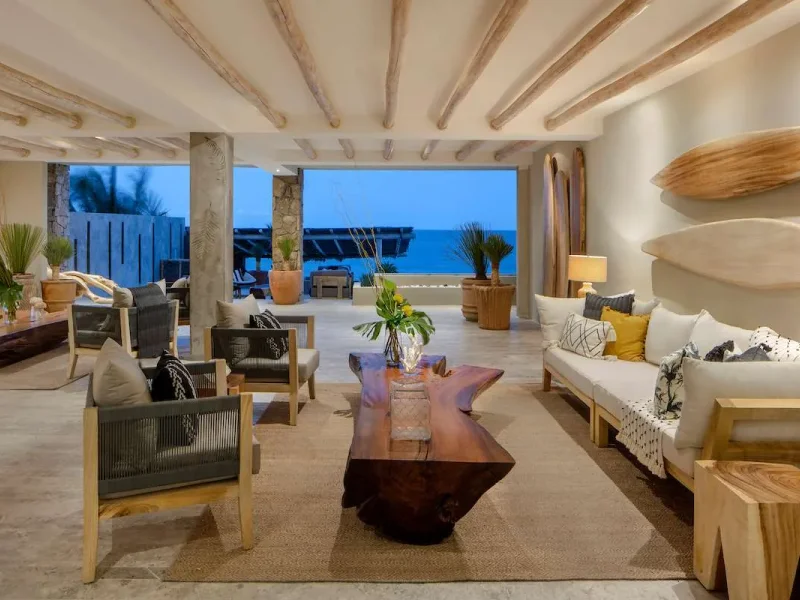
Where you stay decides most of your safety experience. Marrakech has six areas a luxury traveler is likely to consider, and they are not interchangeable. The Palmeraie is the gated ten-kilometer palm grove northeast of the medina, and it is where most of our estates sit. The homes are behind walls, staffed, and reached by private drive. From inside a Palmeraie villa there is no functional risk beyond a mosquito. You leave for dinner in the medina in your driver's car, you come home to your gate, and the city's scam economy never touches you. This is the reason multi-generational families and travelers who have been burned once in Southeast Asia default to the Palmeraie: it removes the friction without removing the city.

The medina inside the walls is where the friction lives, and also where the reason to visit lives. Riads inside the medina are secure once the door closes, and reputable riads know their guests by name; the walk from the derb to the riad after dark is what to think about. Bring a screenshot of the walking route, keep a driver on WhatsApp for pickup after ten, and skip the deepest lanes of the north medina after nine. The Kasbah quarter to the south is quieter and, for a certain kind of traveler, more interesting; the pressure sales are lighter and the pace slower.

Guéliz is the modern French-planned quarter west of the medina, the equivalent of an eixample or ensanche in Barcelona or Madrid. It is clean, walkable, and where you find the Yves Saint Laurent Museum, the Majorelle Garden, decent cafés, and the airport express. It is functionally as safe as any comparable European district. Hivernage sits between Guéliz and the medina and is the hotel-and-embassy quarter; it is quiet, well-lit, and heavily patrolled. Sidi Ghanem is the industrial-design district in the northwest, worth a taxi for a lunch or a showroom, safe by day, no reason to be there after dark. Amelkis and Al Maaden are gated resort communities east of the city on the Ourika road; both are secure by design and suit travelers who want golf plus villa.

Month by Month

The Marrakech safety calendar is thinner than the Marrakech weather calendar. Nothing about the city becomes dangerous in a given month. What changes is the pace of the medina and the volume of travelers. Late January to March is the sweet spot: warm days, cool nights, moderate crowds, everything running normally. April through May is the peak of the peak, with Easter, spring break, and the beginning of the European long-weekend season all landing on top of each other; scam pressure is at its highest simply because there are more targets. June through August is Marrakech at forty-five degrees Celsius in the shade; violent crime does not spike but heatstroke does, and the medina is quieter because everyone with sense retreats to a pool at noon.

Ramadan is the one month that genuinely changes the traveler experience, and it moved earlier by about eleven days each year. In 2026 it starts around February 17 and ends around March 19; in 2027 it starts around February 7. During Ramadan the medina daytime is subdued and many restaurants are closed until the iftar breaking-of-the-fast at sunset, and then the city surges to life for a few hours. Nothing about Ramadan is unsafe. What it does is compress your dining options, slow the shopkeepers, and make Jemaa el-Fnaa quiet in
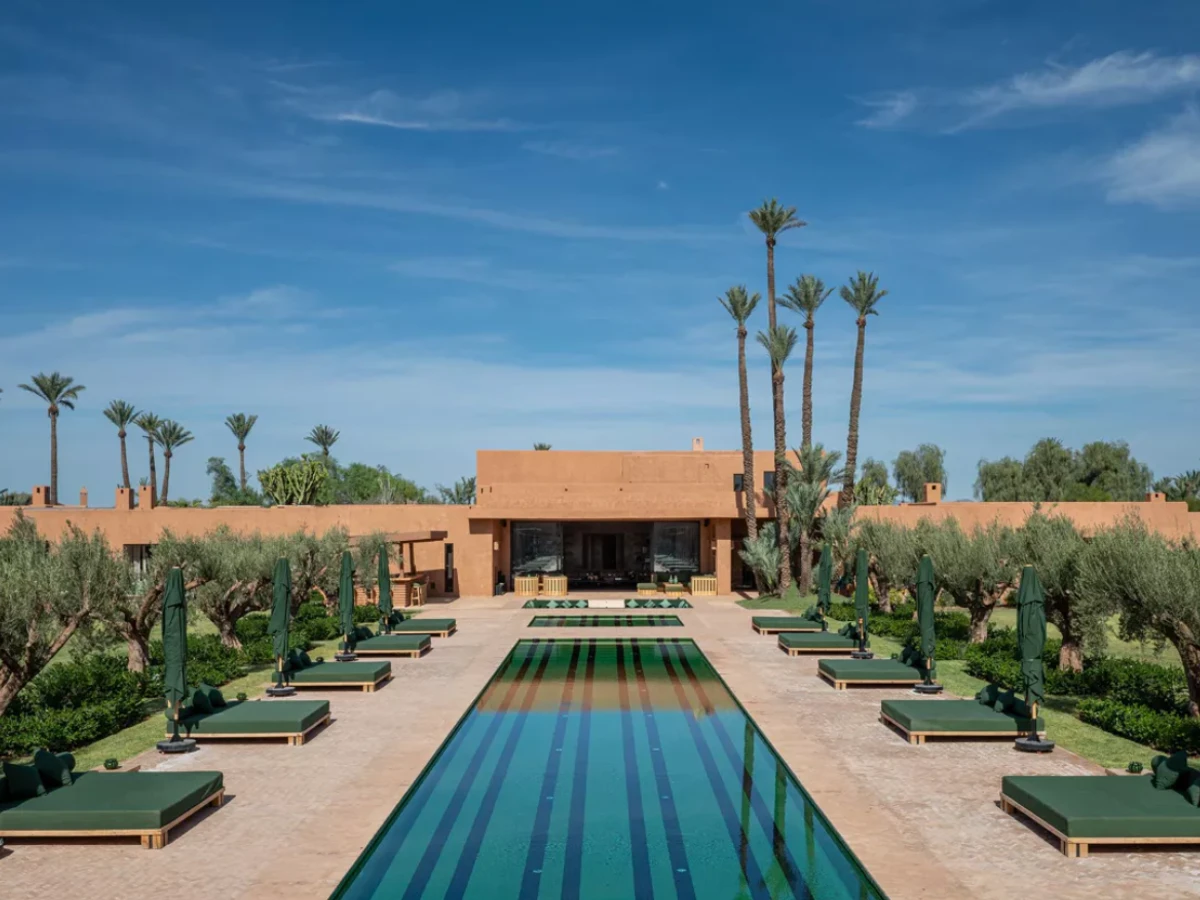
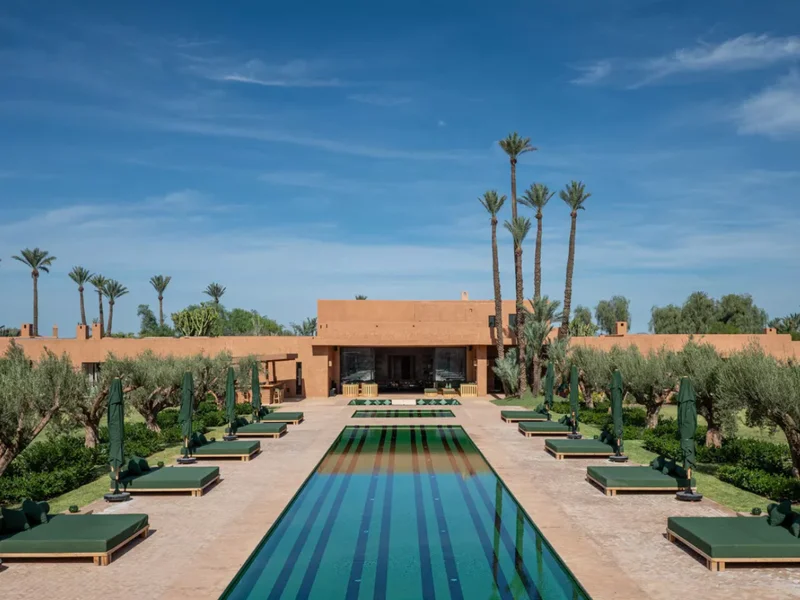
Palm-lined driveway to a private Marrakech villa in the Palmeraie at dusk
Guides
MARRAKECH

Is Marrakech Safe in 2026?

A Luxury Traveler's Honest Guide
Cameron Elder
·
September 21, 2026
·
12 min read
The honest Marrakech safety answer for 2026. Neighborhood-by-neighborhood breakdown, the medina scams to know, the villa advantage, and what actually changes in Ramadan.
The short answer, from an operator who runs villas here: yes, Marrakech is safe for a luxury traveler in 2026. Violent crime against tourists is genuinely rare, the city is one of the more secure large cities in North Africa, and a staffed private villa removes almost every practical safety question before it can even come up. The honest answer takes another two thousand words, because the risk in Marrakech is not the risk people imagine. It is not knives or kidnappings. It is the medina scam patterns, one week of the year when the pace of the city changes, and a road network that punishes complacency. This guide names each one and tells you which parts a villa and a driver simply solve for you.
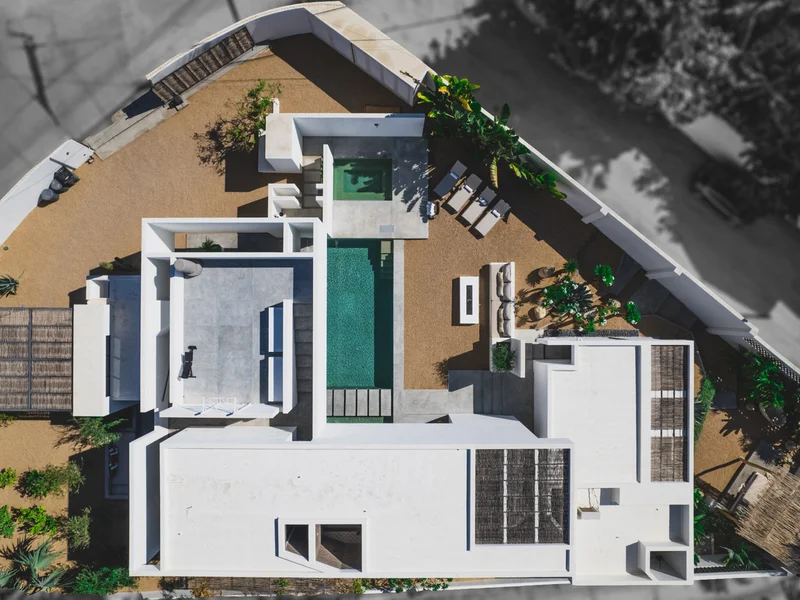
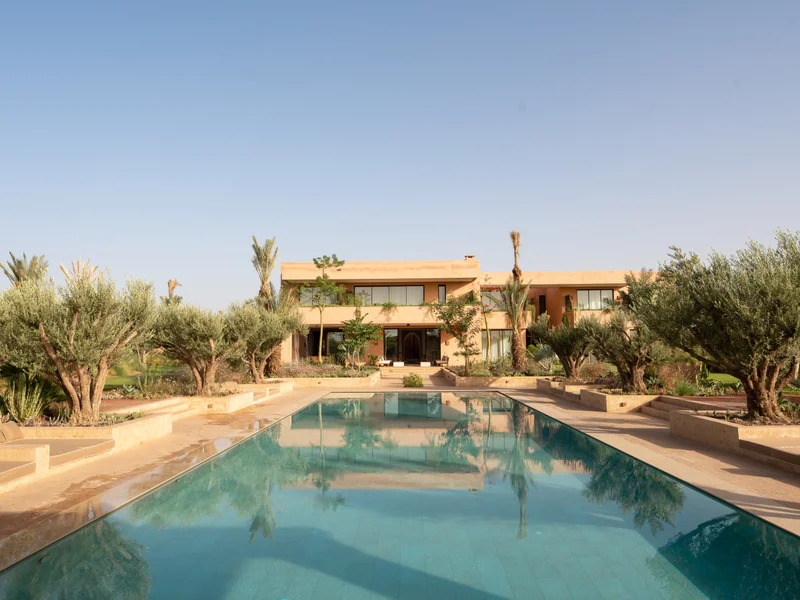
Palmeraie garden with olive and palm trees, a private pool, and the walls of a Marrakech riad in warm afternoon light
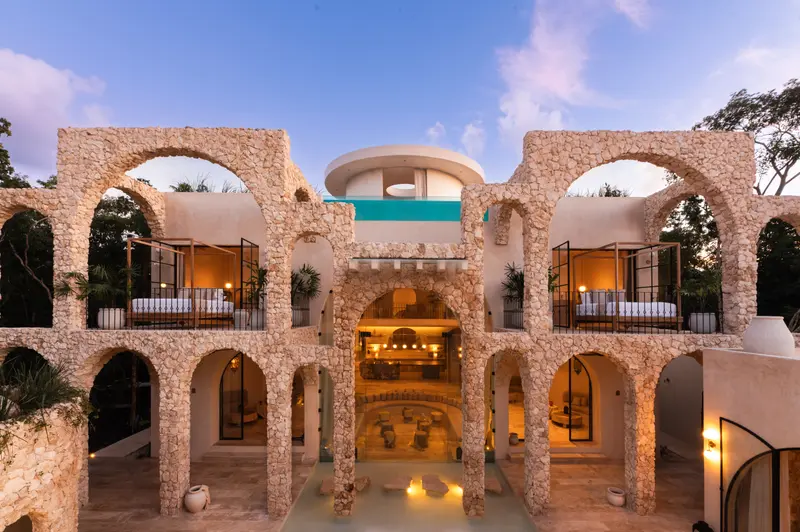
Villa Aurea, Palmeraie de Marrakech

The Actual Risk Picture, from the Ground

Marrakech is a monitored, tourism-dependent city. The Moroccan government treats attacks on visitors as existential threats to a huge share of national income and staffs the tourist quarters accordingly. The Brigade Touristique in plain clothes and uniformed police are present around Jemaa el-Fnaa, along the derb that lead to popular riads, and at the taxi ranks. The last major incident affecting foreign tourists was the 2011 Argana Café bombing in Jemaa el-Fnaa, which killed seventeen people. Security has been visibly heavier ever since, and nothing of that scale has happened again in fifteen years. Between then and now, Marrakech has hosted the COP22 climate summit, absorbed millions of visitors annually, and, in September 2023, went through the Al Haouz earthquake without a meaningful spike in crime against tourists. The city is closer to Lisbon or Seville in real risk profile than to anywhere the headlines suggest.
What actually happens to tourists in Marrakech, day to day, is scams and pressure sales. Someone attaches themselves to you in the medina and starts guiding you toward a friend's shop. A woman with a syringe of henna paint grabs your hand, applies a design, and then demands payment. A boy offers to show you the way to a landmark that is around the next corner and holds out his hand at the corner. A petit taxi driver refuses to run the meter and quotes a foreigner rate. Every one of these has a script. None of them is dangerous. All of them are annoying enough to spoil a morning, and every one of them is solvable with a driver, a proper guide, and the discipline to say "la, shukran" and keep walking. That is the entire realistic risk picture for a well-prepared luxury traveler, and it is the reason we insist our guests use villa transport rather than street taxis on day one.

Neighborhood by Neighborhood

Where you stay decides most of your safety experience. Marrakech has six areas a luxury traveler is likely to consider, and they are not interchangeable. The Palmeraie is the gated ten-kilometer palm grove northeast of the medina, and it is where most of our estates sit. The homes are behind walls, staffed, and reached by private drive. From inside a Palmeraie villa there is no functional risk beyond a mosquito. You leave for dinner in the medina in your driver's car, you come home to your gate, and the city's scam economy never touches you. This is the reason multi-generational families and travelers who have been burned once in Southeast Asia default to the Palmeraie: it removes the friction without removing the city.
The medina inside the walls is where the friction lives, and also where the reason to visit lives. Riads inside the medina are secure once the door closes, and reputable riads know their guests by name; the walk from the derb to the riad after dark is what to think about. Bring a screenshot of the walking route, keep a driver on WhatsApp for pickup after ten, and skip the deepest lanes of the north medina after nine. The Kasbah quarter to the south is quieter and, for a certain kind of traveler, more interesting; the pressure sales are lighter and the pace slower.
Guéliz is the modern French-planned quarter west of the medina, the equivalent of an eixample or ensanche in Barcelona or Madrid. It is clean, walkable, and where you find the Yves Saint Laurent Museum, the Majorelle Garden, decent cafés, and the airport express. It is functionally as safe as any comparable European district. Hivernage sits between Guéliz and the medina and is the hotel-and-embassy quarter; it is quiet, well-lit, and heavily patrolled. Sidi Ghanem is the industrial-design district in the northwest, worth a taxi for a lunch or a showroom, safe by day, no reason to be there after dark. Amelkis and Al Maaden are gated resort communities east of the city on the Ourika road; both are secure by design and suit travelers who want golf plus villa.

Month by Month

The Marrakech safety calendar is thinner than the Marrakech weather calendar. Nothing about the city becomes dangerous in a given month. What changes is the pace of the medina and the volume of travelers. Late January to March is the sweet spot: warm days, cool nights, moderate crowds, everything running normally. April through May is the peak of the peak, with Easter, spring break, and the beginning of the European long-weekend season all landing on top of each other; scam pressure is at its highest simply because there are more targets. June through August is Marrakech at forty-five degrees Celsius in the shade; violent crime does not spike but heatstroke does, and the medina is quieter because everyone with sense retreats to a pool at noon.
Ramadan is the one month that genuinely changes the traveler experience, and it moved earlier by about eleven days each year. In 2026 it starts around February 17 and ends around March 19; in 2027 it starts around February 7. During Ramadan the medina daytime is subdued and many restaurants are closed until the iftar breaking-of-the-fast at sunset, and then the city surges to life for a few hours. Nothing about Ramadan is unsafe. What it does is compress your dining options, slow the shopkeepers, and make Jemaa el-Fnaa quiet in the morning and packed at 9pm. If you want the classic Marrakech day, plan around it. If you want the quieter mystical version of the city, Ramadan is a great time to go.
The other week to be aware of is Mouloud, the celebration of the Prophet's birthday, which lands somewhere in September in 2026. Some shops close, the medina is subdued during the day and busy at night, and the Aissaoua brotherhoods perform through the streets. It is not dangerous; it is loud and beautiful and different, and a good driver will route you around the biggest crowds. Aïd al-Fitr at the end of Ramadan and Aïd al-Adha two months later both close many shops for two or three days; nothing else changes.

The Real Risk, Which Is Traffic

If a Marrakech trip goes wrong for a foreign traveler, statistically it goes wrong on a road. The N9 down to Ouarzazate, the R203 to Essaouira, and the road up to the Ourika Valley or Imlil in the Atlas each carry heavy mixed traffic: overtaking trucks, farm animals, cyclists, and inexperienced tourist drivers in rental cars. Fatal accidents on those routes get very little English-language coverage but happen weekly. We do not let guests rent a car for a day trip to the Atlas. Every excursion outside the city goes with a professional driver who knows those roads, keeps a sensible speed, and pulls off if the weather changes. This is not overkill; it is where the actual danger is.
Inside the city, taxis and mopeds share the road with donkey carts and pedestrians. A petit taxi ride is fine; a moped rental is not something we arrange, and we would not recommend one. If you want to see the city on two wheels, take a mountain bike guide out into the Palmeraie or the countryside; do not ride a moped in the medina.

The Villa Advantage in Marrakech Specifically

The villa advantage in Marrakech is different from the villa advantage in Tulum or Mykonos. In Tulum, a staffed villa reduces exposure to petty theft. In Marrakech, a staffed villa in the Palmeraie or a curated riad in the medina reduces exposure to friction. The gate closes, the driver arrives on your schedule, meals are cooked at the house, and every excursion is booked through a concierge who knows which guide is worth using, which hammam is real, which cooking class is not a shop trip in disguise. The scam economy of the medina exists to prey on unstructured tourism. A structured stay simply does not intersect with it. Our concierge in Marrakech vets every guide, every cook, every driver we book on your behalf, which is the practical difference between a good week and a stressful one.
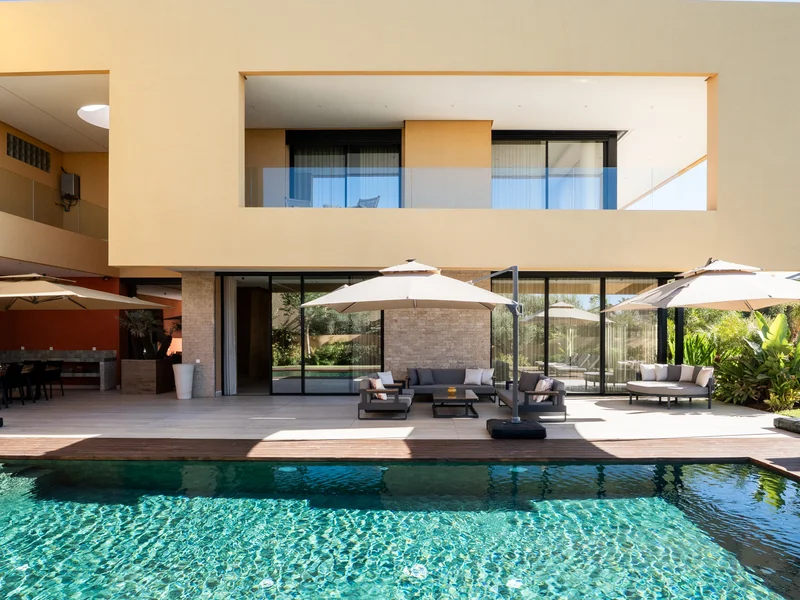
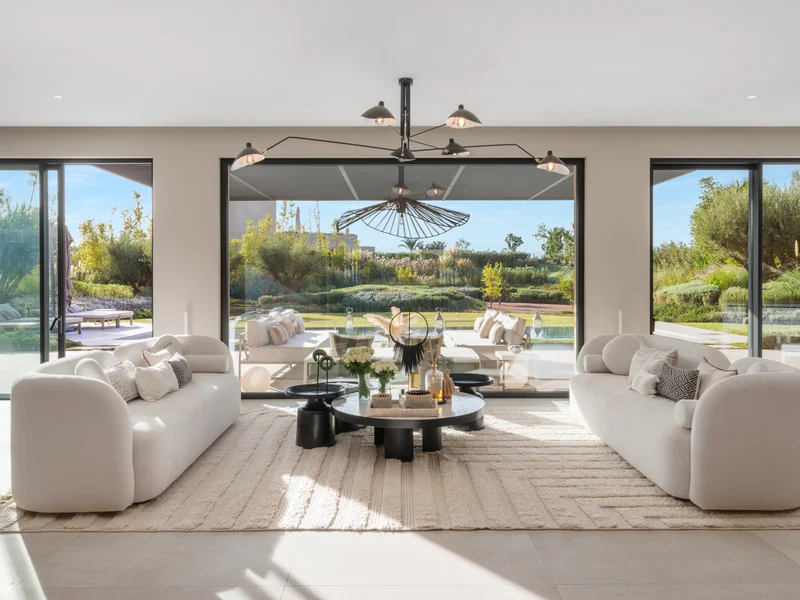
Palmeraie estate with courtyard pool, colonnade, and traditional Moroccan architecture in warm evening light
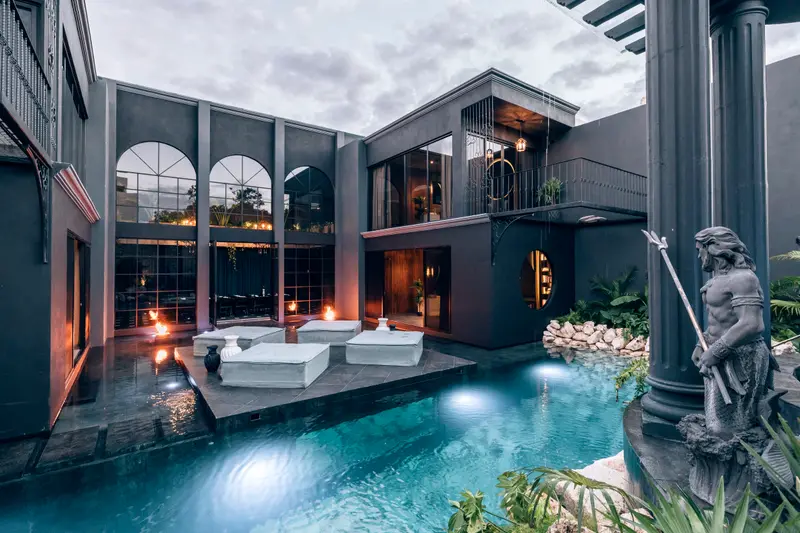
Villa Kemgia, Palmeraie de Marrakech
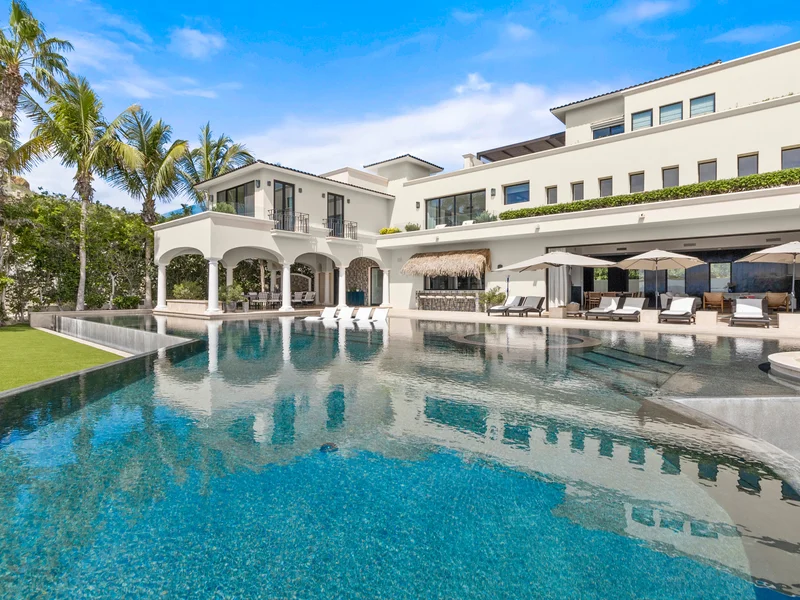
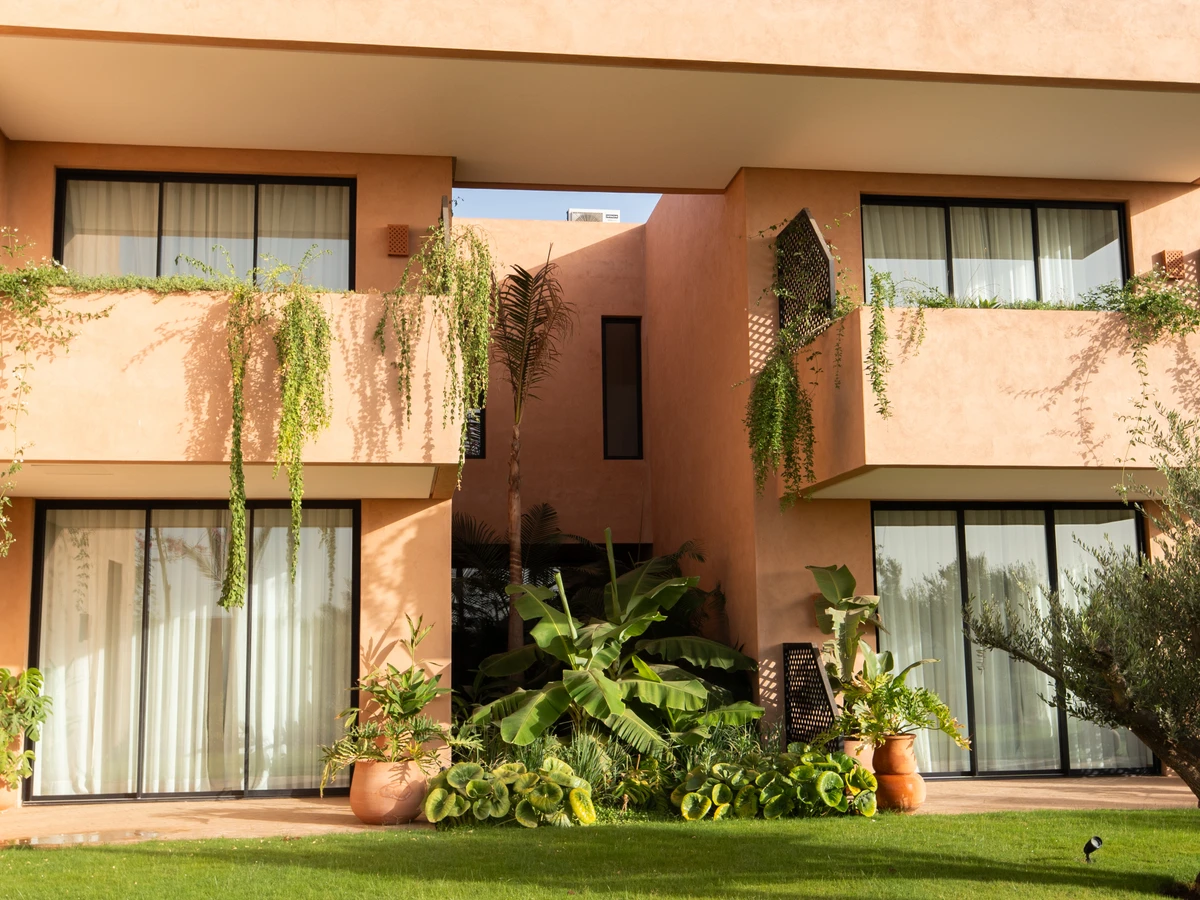
Facade of a Marrakech riad-style villa at dusk, terracotta walls and lattice-screen windows
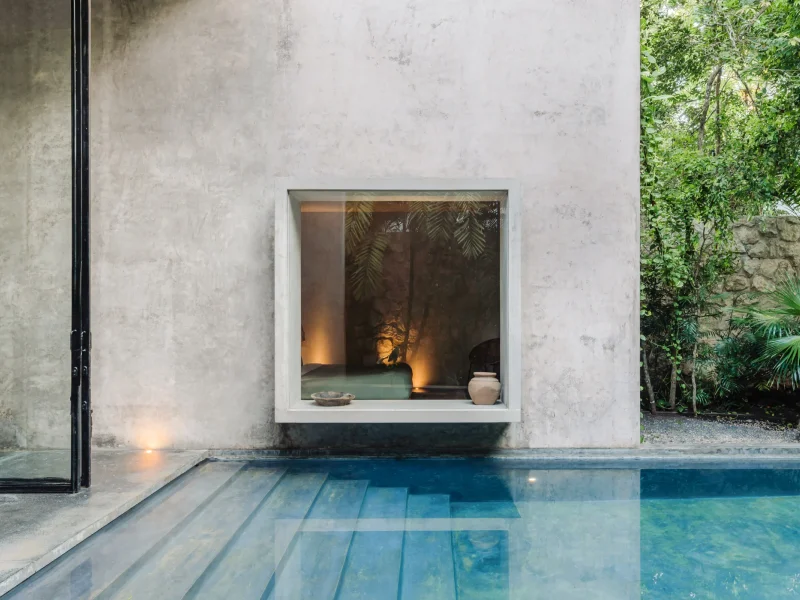
Dar Manou, Marrakech

What to Skip and What to Say No To

Photos with the snake charmers and monkey handlers in Jemaa el-Fnaa unless you want to hand over cash under mild pressure, say no from ten meters away
Henna offers from women who approach you in the square; the paint is often a black substitute that can burn the skin
"Guide" offers from teenagers in the medina; if you want a guide, book one licensed through your villa concierge
Any taxi driver who refuses to run the meter, walk to the next one; the fair rate is small
Self-drive rental cars for day trips to the Atlas or Essaouira; hire a driver instead
Deep north-medina wandering after 9pm on your own; it is not dangerous but the derb are dark and easy to get lost in
Currency exchange in the medina at the marked stalls; use the airport, a bank in Guéliz, or the ATM at your villa concierge's advice
Water from the tap or from the medina fountains; villa staff supply bottled or filtered water, and reputable restaurants use it for ice

Health and Practicalities

The three health items to actually think about are water, sun, and food. Do not drink tap water; do not brush teeth with it if you want to be careful; villa staff handle it. The sun between June and September is stronger than most European travelers expect and the dry air masks how much you are sweating; a hat, water, and a midday break at the pool are non-negotiable. Street food in Marrakech is often excellent but is where 90% of tourist stomach problems come from; if you are cautious, eat cooked-to-order tagines at your villa, at your riad, or at reputable restaurants, and stick to bottled water. The private and public hospitals in Guéliz are competent for common issues; for anything serious, most luxury travelers have medical evacuation insurance and you will be evacuated to Casablanca or Europe.
For women traveling solo or with female friends, Marrakech is one of the more welcoming Moroccan destinations. Verbal attention in the medina is common and mostly harmless; a firm "la, shukran" and walking on works. Dressing modestly (shoulders and knees covered in the medina) reduces attention meaningfully; short shorts and tank tops are legal but attract stares. Inside a private villa, dress how you want. Same-sex couples travel in Marrakech constantly, though public displays of affection are best kept private everywhere in Morocco.

The Honest Bottom Line

Marrakech is one of the safest cities we operate in, and the safety story for a luxury traveler is dominated by scam-avoidance and traffic, not by physical risk. The Palmeraie villa plus driver plus concierge combination removes almost every point of friction the medina generates. If you follow the list above, use structure rather than improvisation, and treat the road to the Atlas with respect, the only thing you will bring home is a strong opinion about tagines and probably a rug. For families, honeymooners, groups of friends, and anyone who wants a five-star North African experience without the exposure a hotel puts around it, Marrakech in 2026 is one of the highest confidence trips we can send you on.
Key Takeaways
Marrakech is one of the safest large cities in North Africa; violent crime against tourists is rare
The real safety story is scam patterns in the medina, not physical risk
A staffed villa in the Palmeraie or Hivernage removes almost every practical safety question
Ramadan, high summer, and one week of Mouloud change how the city feels; nothing else does
The biggest actual risk is road traffic, especially on the routes to Essaouira, Ourika, and the Atlas

Frequently Asked Questions

Is Marrakech safe for solo female travelers?
Yes, with standard precautions. Verbal attention in the medina is common but harmless; a firm "la, shukran" and walking on works. Dressing modestly (shoulders and knees covered) reduces attention. Villa and hotel neighborhoods (Palmeraie, Hivernage, Guéliz) are quiet, well-lit, and patrolled. Many women travel Marrakech solo and never have an actual safety incident.
Is it safe to walk in the medina at night?
Around Jemaa el-Fnaa and the main derb leading to well-known riads, yes, until roughly 11pm. Deep north-medina lanes after 9pm on your own are not dangerous but they are dark, twisty, and easy to get lost in. If you are staying inside the medina, arrange a driver pickup after dinner rather than walking home after dark.
What are the biggest scams in Marrakech?
Fake guides who lead you toward a friend's shop; henna women in Jemaa el-Fnaa who paint your hand without asking and demand payment; snake and monkey handlers in the square who charge for photos; taxi drivers who refuse to run the meter and quote a foreigner rate; and misdirection from teenagers who "help" you to a landmark and expect a tip. None of these are dangerous. Say no early and walk away.
Is it safe to visit Marrakech during Ramadan?
Yes. Nothing about Ramadan changes the safety picture. What changes is the rhythm: many restaurants close during the day, the medina is quiet in the morning and crowded after iftar, and shopkeepers are subdued. Villa dining continues normally and staff cook for you. In 2026 Ramadan runs roughly February 17 to March 19.
Is Marrakech safe after the September 2023 earthquake?
Yes. The Al Haouz earthquake caused significant damage in Atlas Mountain villages south of the city, particularly around Amizmiz and the Tichka pass; central Marrakech and the Palmeraie were affected but not seriously damaged. Two years on, the city is fully operational, monuments are open, and villa infrastructure was largely unaffected. Some Atlas day-trip routes are still under repair; a good driver knows which are open.
Can I drink the water in Marrakech?
No. Drink bottled water only, and use bottled water for teeth brushing if you want to be careful. Villa staff supply bottled or filtered water. Reputable restaurants use bottled water for ice and cooking; street stalls are where most stomach problems start.
Should I rent a car in Marrakech?
For day trips to the Atlas or Essaouira, no. Road safety statistics on those routes are poor, and a professional driver is inexpensive by luxury-trip standards. Inside the city, petits taxis and villa transport handle everything. If you want to see the countryside on wheels, a bike guide out into the Palmeraie or the Atlas foothills is the safer version.
How does a villa in the Palmeraie compare to a riad in the medina for safety?
Both are secure once the door closes. The Palmeraie is behind a gate, further from the medina friction, and simpler for families and multigenerational groups. A curated riad puts you inside the atmosphere of the medina, which is the reason many travelers come to Marrakech; a driver on WhatsApp for late pickups removes the walking-home question. We book both and match the choice to the group.
Follow the journey @erentalsexclusive + @aurelseyez
Villa tours, destination guides, and behind-the-scenes content from the team on the ground
Cameron Elder
Founder, ERentals Exclusive
morocco
marrakech
safety
travel-tips
See it in motion
From the feed
Real stays, real light. Press play or watch the full reel on Instagram.
Continue Reading
Stay in the loop
© 2026 ERentals Exclusive