Marrakech vs Fez
The honest Marrakech versus Fez comparison for luxury travelers. Villa scene, medina character, food, day trips, seasons, and which city fits which trip.
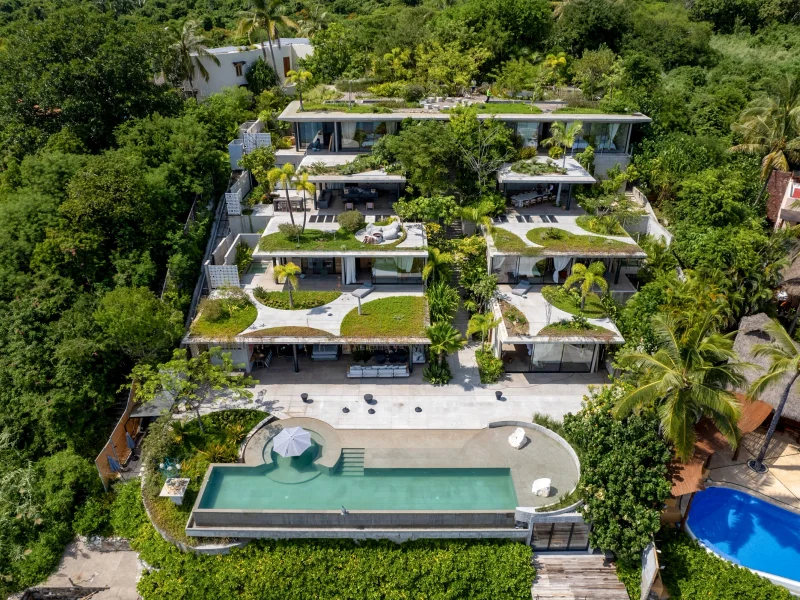
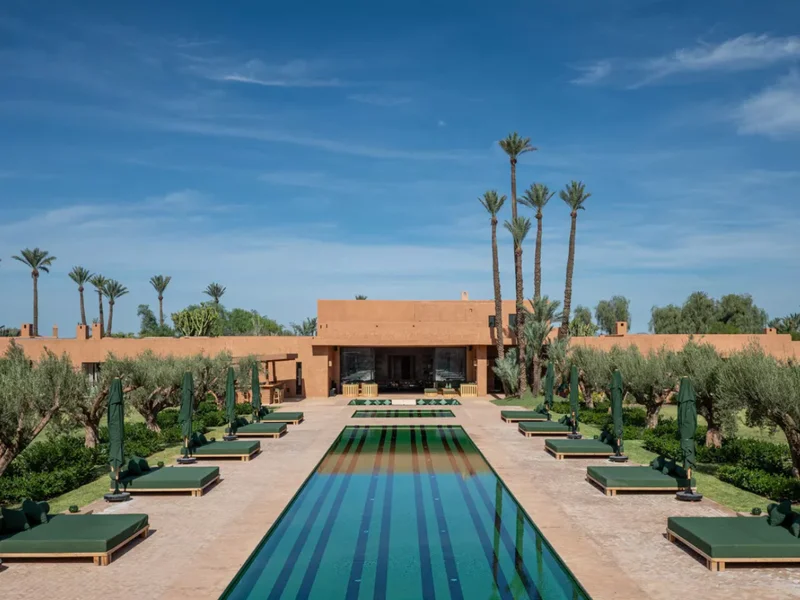
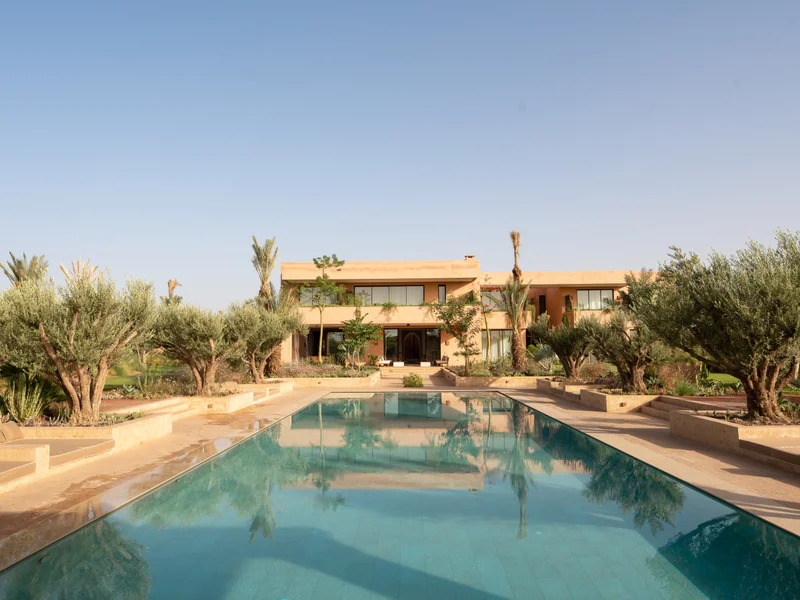
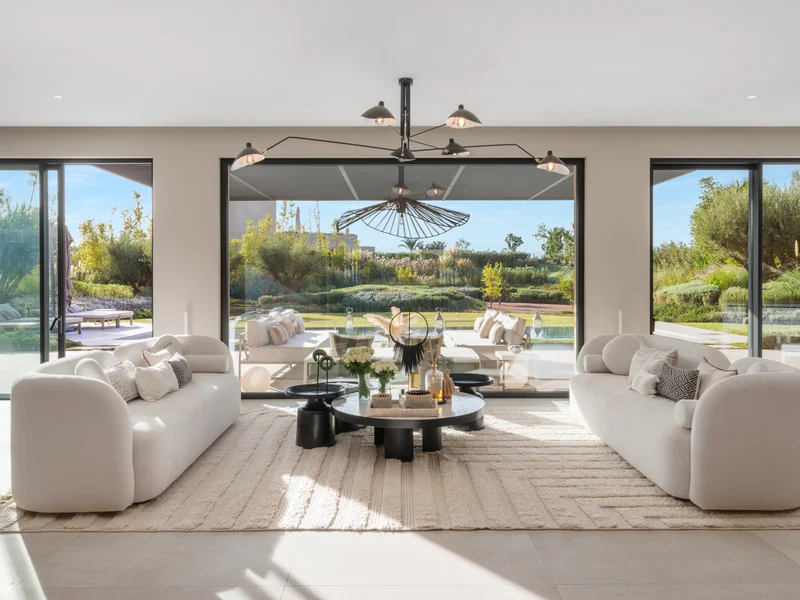
The short answer, from an operator who runs villas in Morocco: Marrakech is the right choice for a luxury villa trip and Fez is the right choice for a deep cultural trip, and the two are not substitutes for each other. Marrakech has the Palmeraie, a gated palm grove of staffed palais compounds that simply does not exist anywhere else in Morocco. Fez has the Fes el Bali medina, the largest car-free urban area on earth and the oldest continuously inhabited medina in the world, and a riad scene built inside those walls rather than outside them. We operate villas in Marrakech and none in Fez, and we will say so plainly; this guide is written to help you pick correctly, including when the correct answer is the city we do not operate in. Villa Aurea, Palmeraie de Marrakech The One-Paragraph Version Marrakech is the Red City, an imperial capital turned international resort destination, with a mature luxury infrastructure, direct flights from most European hubs, a gated villa quarter in the Palmeraie, the High Atlas on the horizon, and a tourism economy that has been building for sixty years. Fez is the spiritual and scholarly capital, home to al-Qarawiyyin, founded in 859 and generally recognised as the oldest continuously operating degree-granting university in the world, with a medina of thousands of alleys that cars cannot enter, a craft economy of tanners and brass workers and weavers that has run continuously for a thousand years, and a fraction of the tourist volume. Marrakech is the trip most people should take. Fez is the trip a specific traveler should take and will never forget. The Accommodation Reality This is the clearest difference and the one that decides most luxury trips. Marrakech has a villa market. The Palmeraie, a ten-kilometer palm grove northeast of the medina, holds hundreds of walled staffed palais compounds with private pools, gardens, full staff, and gated access. A group of eight to twenty-four can take an entire private estate with a chef, butler, housekeeping, and driver. Nothing comparable exists in Fez. The Fez luxury market is riads: restored merchant houses inside the medina walls, typically three to eight bedrooms around a courtyard, beautiful and intimate but structurally a different product. There is no Fez Palmeraie. What that means practically: a multigenerational family of sixteen, a group retreat, a wedding, or any trip that wants a private compound with a pool and staff should be in Marrakech. A couple or a group of four to six who wants to sleep inside a thousand-year-old medina in a restored riad with a rooftop over the old city should consider Fez seriously. Our roster is in Marrakech because that is where the product we sell exists; a Fez riad is a good product and we are not the operator for it. The Medina Comparison Both cities have UNESCO-listed medinas and they are genuinely different experiences. The Marrakech medina is organised around Jemaa el-Fnaa, the great square, with the souks radiating north. It
The short answer, from an operator who runs villas in Morocco: Marrakech is the right choice for a luxury villa trip and Fez is the right choice for a deep cultural trip, and the two are not substitutes for each other. Marrakech has the Palmeraie, a gated palm grove of staffed palais compounds that simply does not exist anywhere else in Morocco. Fez has the Fes el Bali medina, the largest car-free urban area on earth and the oldest continuously inhabited medina in the world, and a riad scene built inside those walls rather than outside them. We operate villas in Marrakech and none in Fez, and we will say so plainly; this guide is written to help you pick correctly, including when the correct answer is the city we do not operate in.
The One-Paragraph Version
Marrakech is the Red City, an imperial capital turned international resort destination, with a mature luxury infrastructure, direct flights from most European hubs, a gated villa quarter in the Palmeraie, the High Atlas on the horizon, and a tourism economy that has been building for sixty years. Fez is the spiritual and scholarly capital, home to al-Qarawiyyin, founded in 859 and generally recognised as the oldest continuously operating degree-granting university in the world, with a medina of thousands of alleys that cars cannot enter, a craft economy of tanners and brass workers and weavers that has run continuously for a thousand years, and a fraction of the tourist volume. Marrakech is the trip most people should take. Fez is the trip a specific traveler should take and will never forget.
The Accommodation Reality
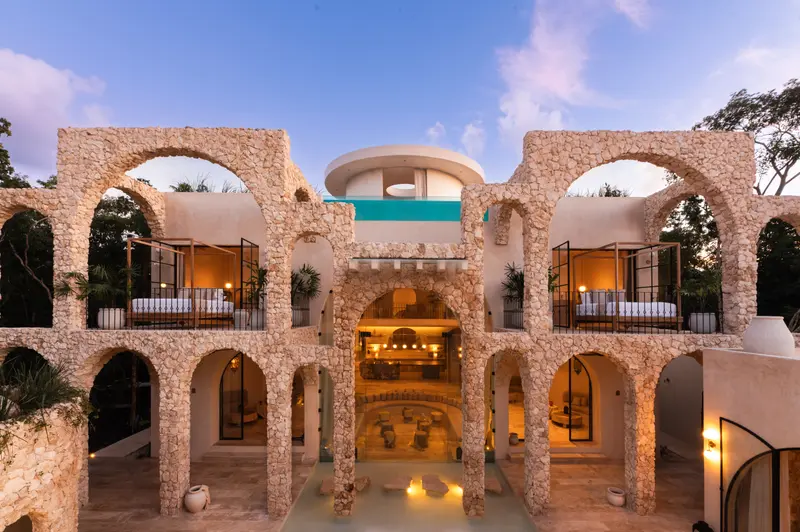
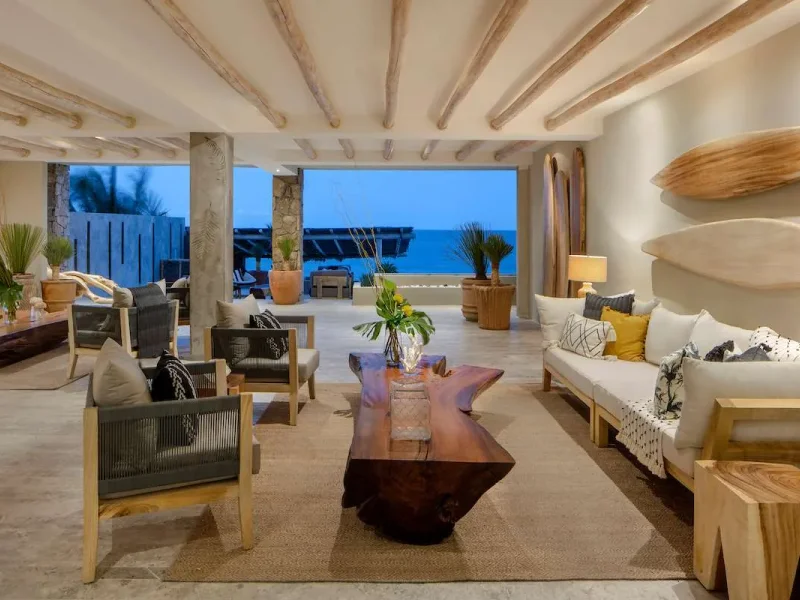
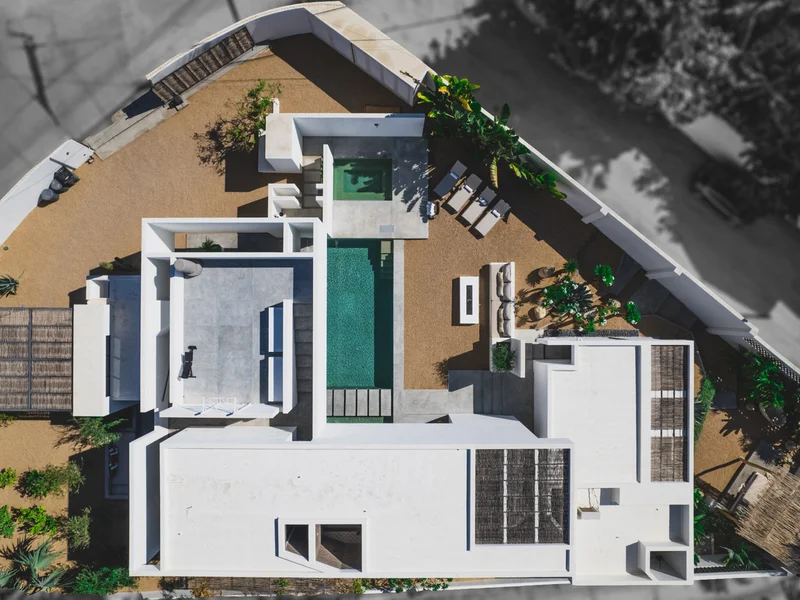
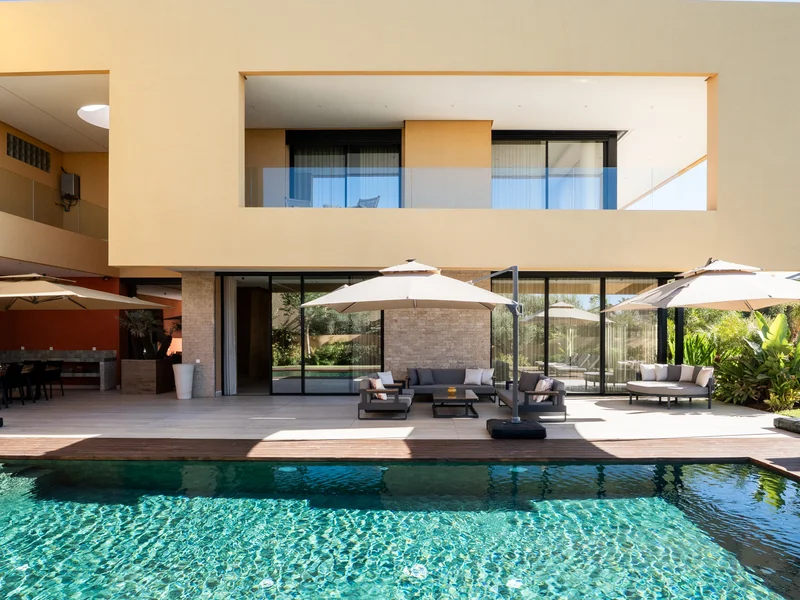
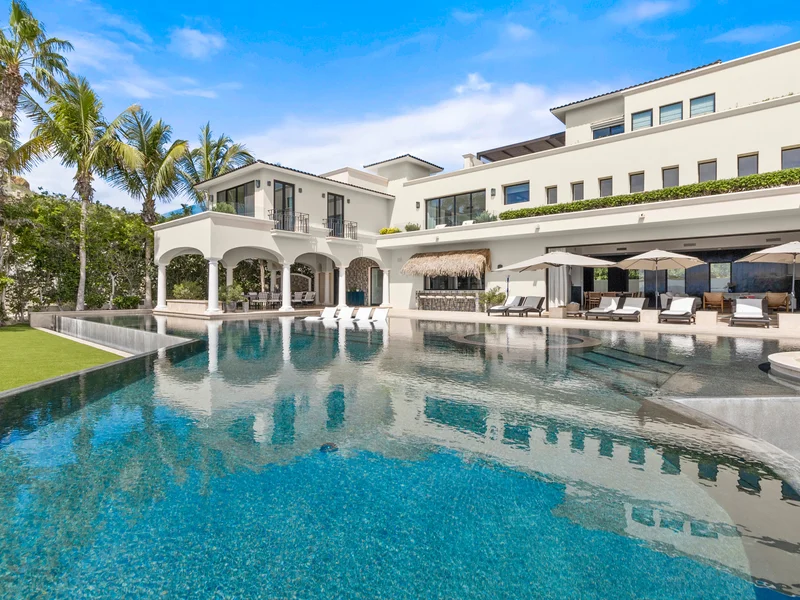
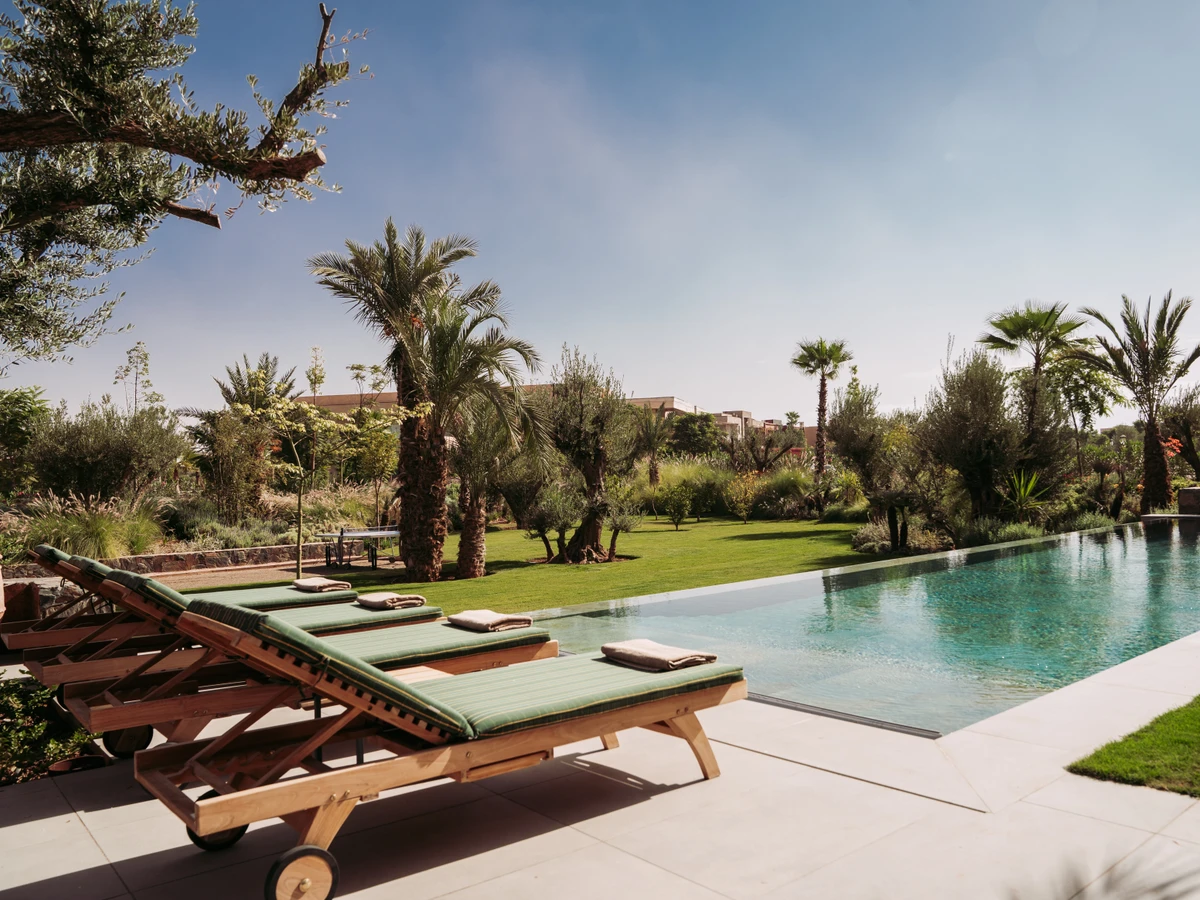
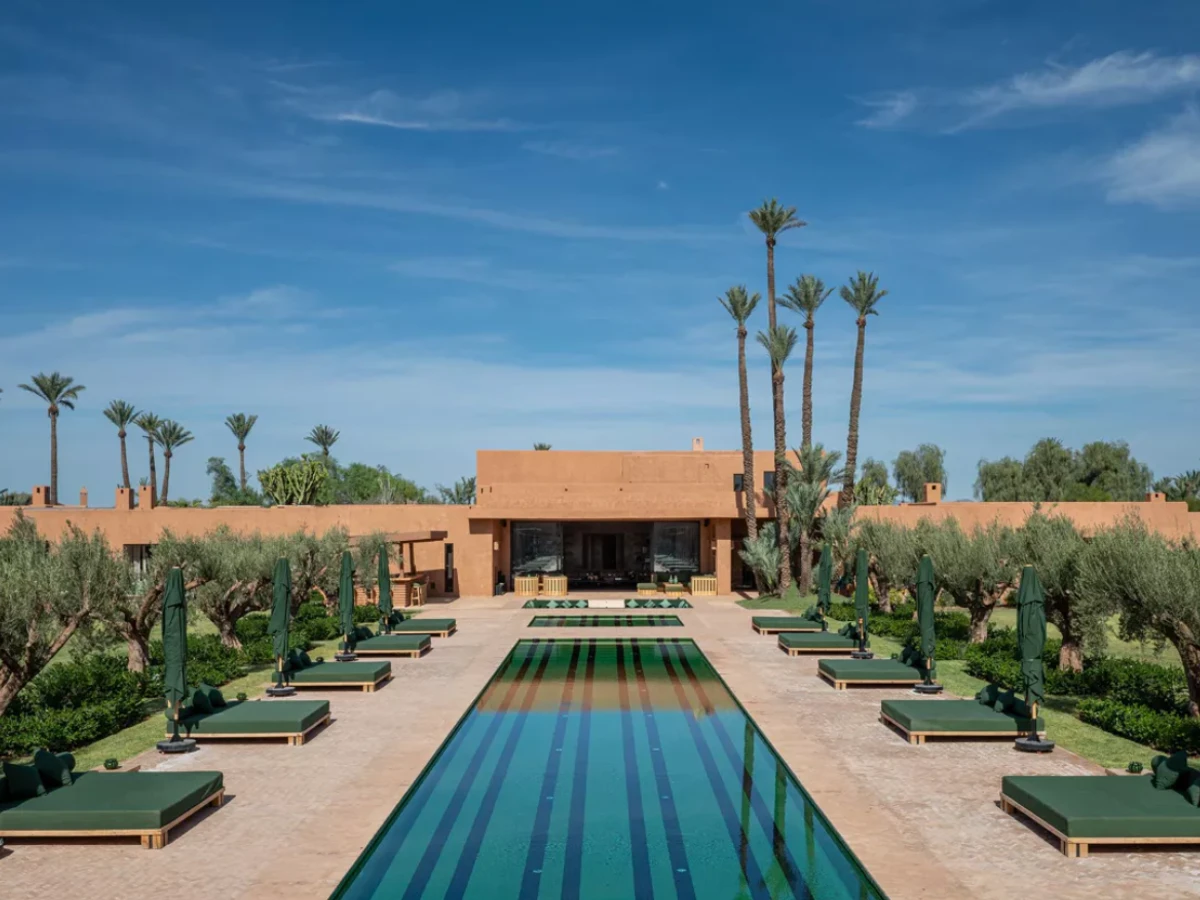
This is the clearest difference and the one that decides most luxury trips. Marrakech has a villa market. The Palmeraie, a ten-kilometer palm grove northeast of the medina, holds hundreds of walled staffed palais compounds with private pools, gardens, full staff, and gated access. A group of eight to twenty-four can take an entire private estate with a chef, butler, housekeeping, and driver. Nothing comparable exists in Fez. The Fez luxury market is riads: restored merchant houses inside the medina walls, typically three to eight bedrooms around a courtyard, beautiful and intimate but structurally a different product. There is no Fez Palmeraie.
What that means practically: a multigenerational family of sixteen, a group retreat, a wedding, or any trip that wants a private compound with a pool and staff should be in Marrakech. A couple or a group of four to six who wants to sleep inside a thousand-year-old medina in a restored riad with a rooftop over the old city should consider Fez seriously. Our roster is in Marrakech because that is where the product we sell exists; a Fez riad is a good product and we are not the operator for it.
The Medina Comparison
Both cities have UNESCO-listed medinas and they are genuinely different experiences. The Marrakech medina is organised around Jemaa el-Fnaa, the great square, with the souks radiating north. It is commercial, theatrical, loud, and built for the visitor as much as the resident. The scam economy described in our Marrakech safety guide lives here. It is also one of the great urban spaces on earth at sunset and the food stalls in the square are a genuine experience if you go with someone who knows which ones.
The Fes el Bali medina is a different order of thing. It has roughly nine thousand alleys, no cars anywhere, donkeys as the primary freight vehicle, and a scale that genuinely disorients first-time visitors. The Chouara tanneries, worked by hand since the eleventh century, are the famous image. The craft quarters (brass, ceramics, weaving, leather) still operate as working guilds. It is less polished for tourists, less oriented toward the visitor, and more overwhelming. For a traveler who wants the deepest version of a Moroccan medina, Fez is the answer and Marrakech is the warm-up.
Practical note on both: a licensed guide is worth the money in either city and close to essential in Fez, where the alley network genuinely defeats phone navigation in places. Book through the villa or riad, not off the street.
What Is Within Reach
Marrakech day trips: the High Atlas and the Ourika Valley are ninety minutes away; Imlil and the Toubkal trailhead are two hours; Essaouira on the Atlantic is three hours; the Agafay desert camps are forty-five minutes; the Ouzoud waterfalls are two and a half hours; the Sahara at Merzouga is a two-day commitment. The Oukaimeden ski area operates in winter, which surprises most first-time visitors. This is the widest day-trip radius of any Moroccan city.
Fez day trips: Volubilis, the Roman city and Morocco's most significant classical archaeological site, is an hour away and is genuinely world-class. Meknes, the imperial city, is an hour. Moulay Idriss, the holy town, sits beside Volubilis. Ifrane, the alpine-looking town in the Middle Atlas, is an hour. Chefchaouen, the blue city, is three and a half to four hours and is more commonly done from Tangier or Fez than Marrakech. The Fez radius is smaller but the Volubilis and Meknes combination is one of the best single days in Morocco.
Weather and Season
Marrakech sits at 466 metres in a semi-arid plain and runs hot and dry. Summer highs push 45 degrees Celsius in July and August. Winter days are mild (18 to 22) and nights cold (5 to 10). Rain is rare and concentrated in winter. The best windows are late January through May and October through mid December.
Fez sits at 410 metres but further north and closer to the Middle Atlas, with a more continental climate. Summers are hot but less extreme than Marrakech. Winters are colder and meaningfully wetter, with real rain from November through March and occasional snow in the surrounding hills. The best windows are April through June and September through October. A winter Fez trip is atmospheric but you will want a riad with proper heating, which not all of them have.