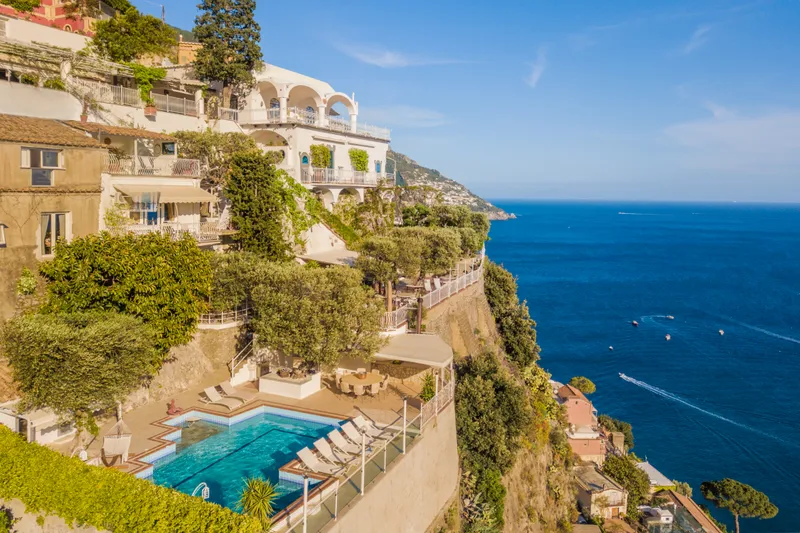
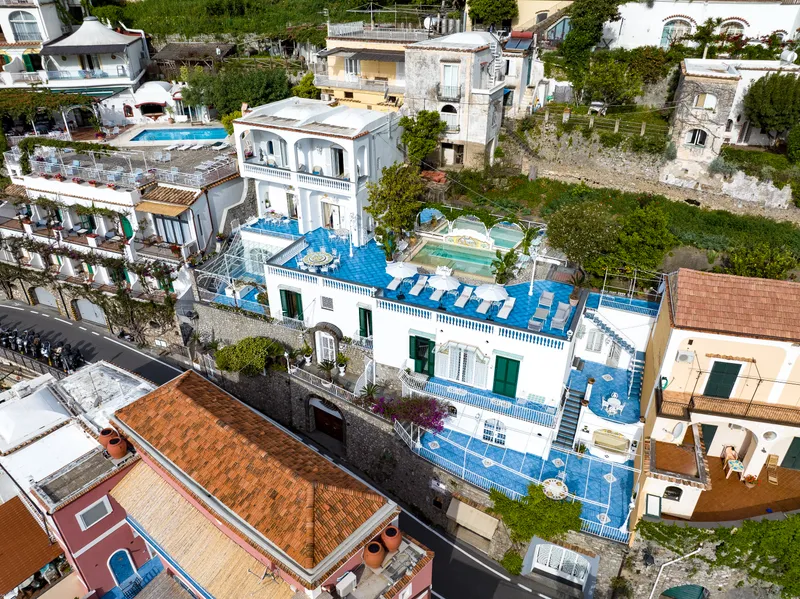
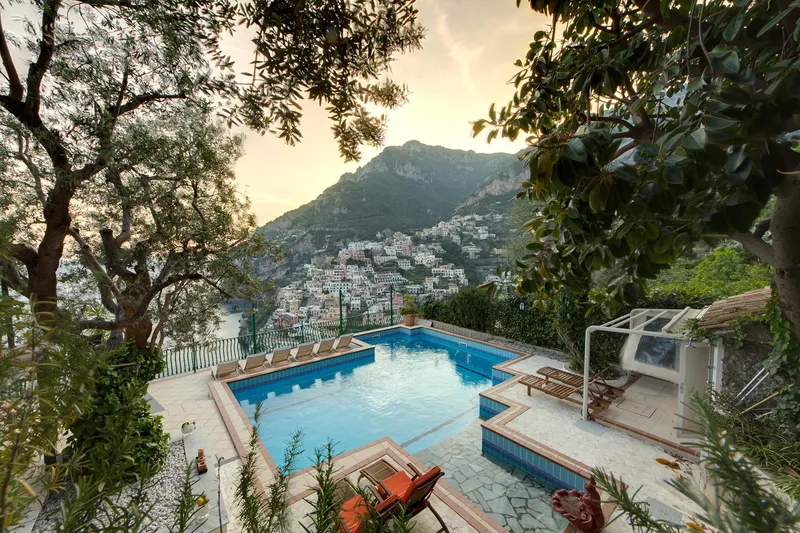
Best Time to Visit the Amalfi Coast
The honest month-by-month Amalfi Coast calendar for luxury travelers. May-June and September-October sweet spots, Ferragosto peak, ferry weather, and the Ravello Festival.
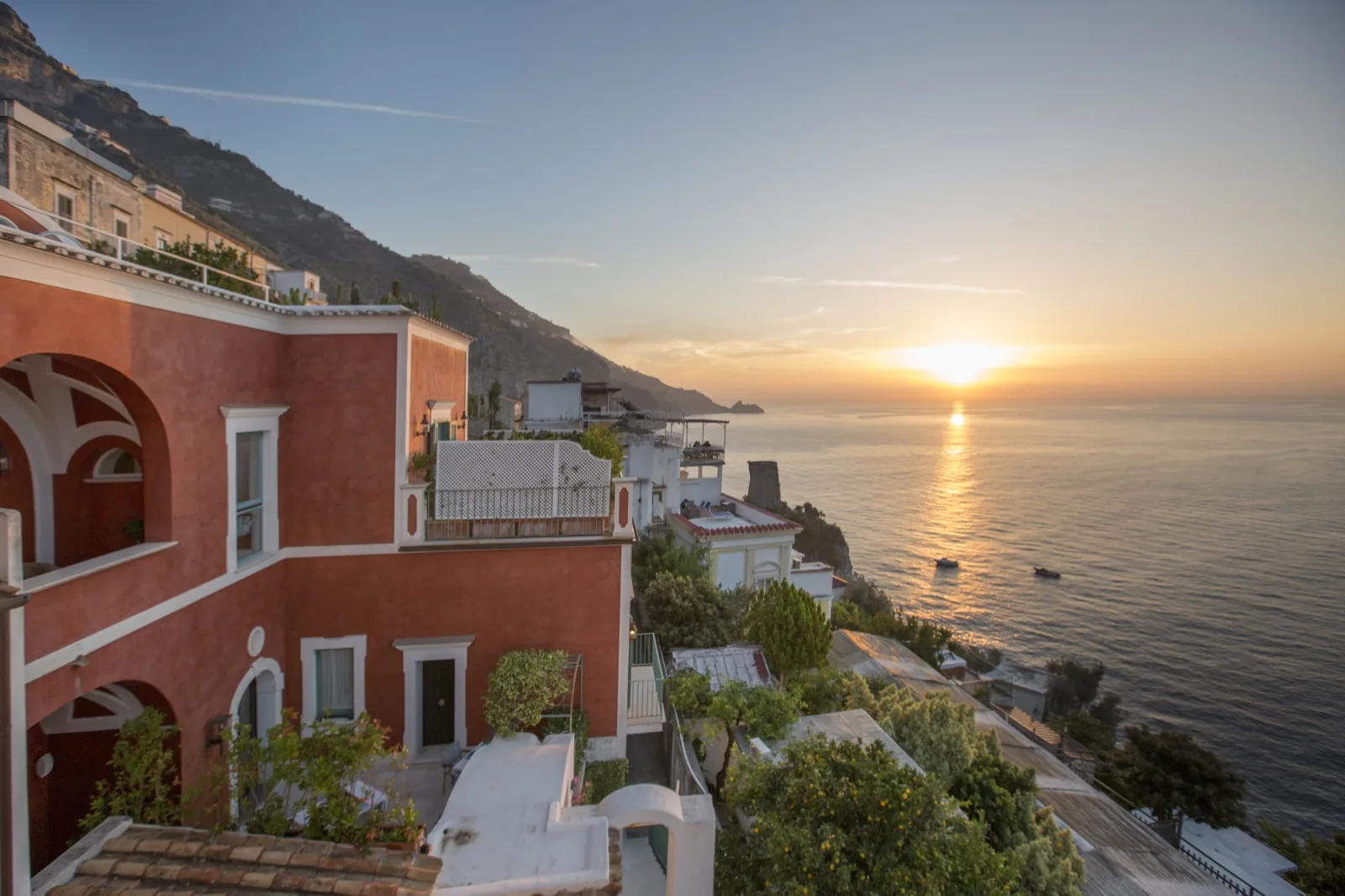
The short answer, from an operator who runs villas across the Amalfi Coast: the two highest-value windows are the last two weeks of May through the first two weeks of June, and the last three weeks of September through the first two weeks of October. Both give warm weather, moderate crowds, ferries running, restaurants open, villa neighborhoods quiet, and prices meaningfully below peak. Peak July and August work if you book everything six weeks ahead and accept the density. Ferragosto (August 10 to 25) is the one window we counsel travelers to plan around if the calendar allows any other week. Most of the coast is closed to summer tourism from November through the Easter weekend. This guide walks the year month by month and names what each window brings. Villa Mon Repos, Positano The Season Window, in One Paragraph The Amalfi Coast summer season effectively runs Easter (late March or early April) to late October. Ferries between Positano, Amalfi, Salerno, Sorrento, Capri, and Naples run through this window at various frequencies. Restaurants and beach clubs open by Easter and most close by early November. Villa neighborhoods above Positano, in Praiano and Nocelle, and in Ravello and the Sorrento peninsula are open through this window and largely closed the rest of the year. Weather is dry and warm from June through September; May and October are cooler with occasional afternoon showers. November through March, the coast is quiet, cool, sometimes wet, and much of the summer infrastructure is shuttered. Each month of the season has its own character; the differences are real. Easter Weekend and April Easter weekend is when the coast wakes up. Restaurants that have been closed for winter start opening. Ferries add sailings. The lemon groves are in bloom and the coast looks like something out of a postcard nobody has crowded yet. The weather is cool: daytime highs 17 to 20 degrees Celsius, evenings 10 to 13, occasional afternoon showers. The sea is cold, around 14 degrees. Restaurants have shorter menus while local suppliers ramp up for the season, and the coast is not yet the summer version of itself. But it is uncrowded and it is real. April between Easter and the last week of the month is the quietest of the shoulder windows. Villa rates are at their lowest of the operating season, restaurant reservations are walk-ins, ferry lines are non-existent. If you want the coast without the crush and can accept cooler weather, this is the window. Late April into the first week of May the weather warms, the sea slowly warms toward swimming temperature, and traffic on the SS163 remains light. May and Early June, the First Sweet Spot May opens what many returning Amalfi visitors call the best window of the year. Warm days (22 to 26 degrees Celsius), cool evenings (14 to 18), the sea warming from mid-teens Celsius to low twenties by month end, and the coast fully open by mid month. Villa neighborhoods are quiet. Restaurants take reservations a week ahead rathe
The short answer, from an operator who runs villas across the Amalfi Coast: the two highest-value windows are the last two weeks of May through the first two weeks of June, and the last three weeks of September through the first two weeks of October. Both give warm weather, moderate crowds, ferries running, restaurants open, villa neighborhoods quiet, and prices meaningfully below peak. Peak July and August work if you book everything six weeks ahead and accept the density. Ferragosto (August 10 to 25) is the one window we counsel travelers to plan around if the calendar allows any other week. Most of the coast is closed to summer tourism from November through the Easter weekend. This guide walks the year month by month and names what each window brings.
The Season Window, in One Paragraph
The Amalfi Coast summer season effectively runs Easter (late March or early April) to late October. Ferries between Positano, Amalfi, Salerno, Sorrento, Capri, and Naples run through this window at various frequencies. Restaurants and beach clubs open by Easter and most close by early November. Villa neighborhoods above Positano, in Praiano and Nocelle, and in Ravello and the Sorrento peninsula are open through this window and largely closed the rest of the year. Weather is dry and warm from June through September; May and October are cooler with occasional afternoon showers. November through March, the coast is quiet, cool, sometimes wet, and much of the summer infrastructure is shuttered. Each month of the season has its own character; the differences are real.
Easter Weekend and April
Easter weekend is when the coast wakes up. Restaurants that have been closed for winter start opening. Ferries add sailings. The lemon groves are in bloom and the coast looks like something out of a postcard nobody has crowded yet. The weather is cool: daytime highs 17 to 20 degrees Celsius, evenings 10 to 13, occasional afternoon showers. The sea is cold, around 14 degrees. Restaurants have shorter menus while local suppliers ramp up for the season, and the coast is not yet the summer version of itself. But it is uncrowded and it is real.
April between Easter and the last week of the month is the quietest of the shoulder windows. Villa rates are at their lowest of the operating season, restaurant reservations are walk-ins, ferry lines are non-existent. If you want the coast without the crush and can accept cooler weather, this is the window. Late April into the first week of May the weather warms, the sea slowly warms toward swimming temperature, and traffic on the SS163 remains light.
May and Early June, the First Sweet Spot
May opens what many returning Amalfi visitors call the best window of the year. Warm days (22 to 26 degrees Celsius), cool evenings (14 to 18), the sea warming from mid-teens Celsius to low twenties by month end, and the coast fully open by mid month. Villa neighborhoods are quiet. Restaurants take reservations a week ahead rather than six weeks. Ferry lines are non-existent. The lemon groves are in full bloom through May and the coast at its greenest for the year. The Positano bougainvillea is out. Ravello's Villa Cimbrone gardens are at their photographic best.
By early June the water is swimmable for most travelers, cabana rates are still below peak, and the sun is at its longest. This is the moment when many families with school-age kids on early-summer break come to the coast, along with couples on honeymoons that want the coast at its best without the July crush. Villa rates are transitioning from shoulder to peak but the June first-half window still costs meaningfully less than August. If your calendar picks a date range, the last two weeks of May through the first two weeks of June is one of the two windows we recommend.
Mid June through July, High Season Warming
From mid June forward, high season begins in earnest. Cabana rates jump, restaurant reservations move to two-week lead times, and the ferry lines start to lengthen at peak departure times. Weather is warm and dry, sea state is calm, and boat charters are at their best. July is the moment when Positano becomes the postcard version of itself at maximum density; Ravello, higher up the mountain and cooler in the evenings, becomes the base for many seasoned Amalfi visitors returning for a fourth or fifth summer.
The Ravello Festival begins in early July and runs through August, with concerts in the Villa Rufolo gardens above the coast. If music is a specific reason to visit, base yourself in Ravello for at least part of the trip and book concert tickets six to eight weeks ahead. The Villa Cimbrone gardens are open and the walk between the two villas is one of the most photographed short walks in Italy. July is when the international crowd arrives; Italian families begin their own summer holidays but the wider Ferragosto peak is still weeks away.
August, the Peak
August is the coast's peak by volume and price. Every villa is booked; every restaurant requires a reservation weeks ahead; every ferry runs at capacity; the SS163 backs up in daylight. Air temperature is warm (25 to 30 degrees Celsius by day), water is at its warmest of the year (25 to 27 degrees), and boat charters are at their best on calm-sea days. Wednesday and Sunday market days in the smaller towns become sold-out village events.
Then Ferragosto: the specific fortnight August 10 through 25 is Italian internal-vacation season and it pours the domestic peak into the international peak already in progress. Prices are at their year highs. Reservations that normally accept two-week lead time require a month. The SS163 backs up further. Ferries can run at capacity plus a wait. If any other window works for your calendar, take it. If Ferragosto is your window, base yourself in Ravello, Nocelle, or high above Praiano rather than in Positano proper; the higher villages stay livable while the coastal towns become impossible to walk