Is the Amalfi Coast Safe?
The honest Amalfi Coast safety answer for 2026. Amalfi town, Ravello, Praiano, and beyond. The SS163 road, the ferry weather, and the villa neighborhoods that sleep quiet.
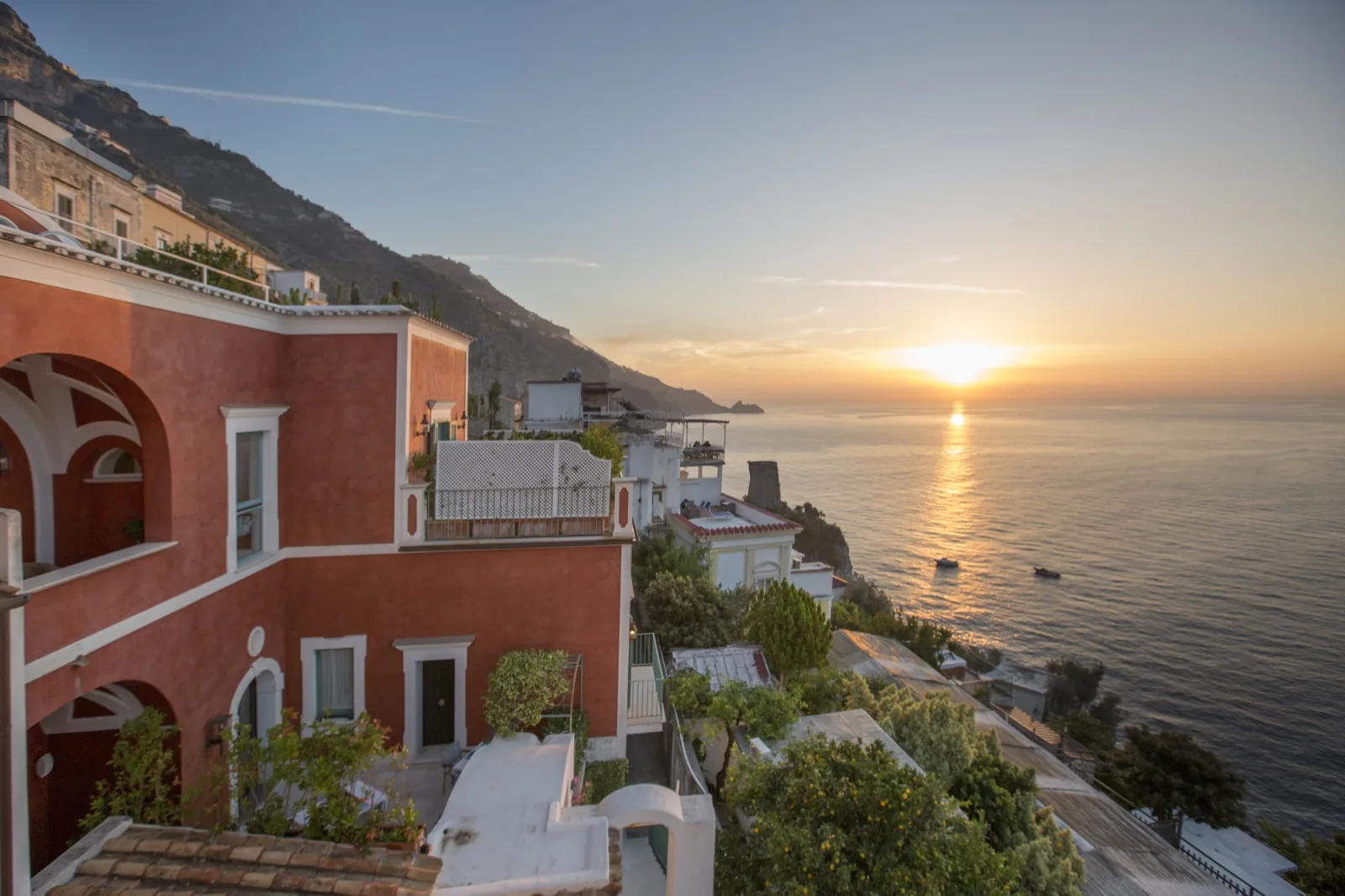
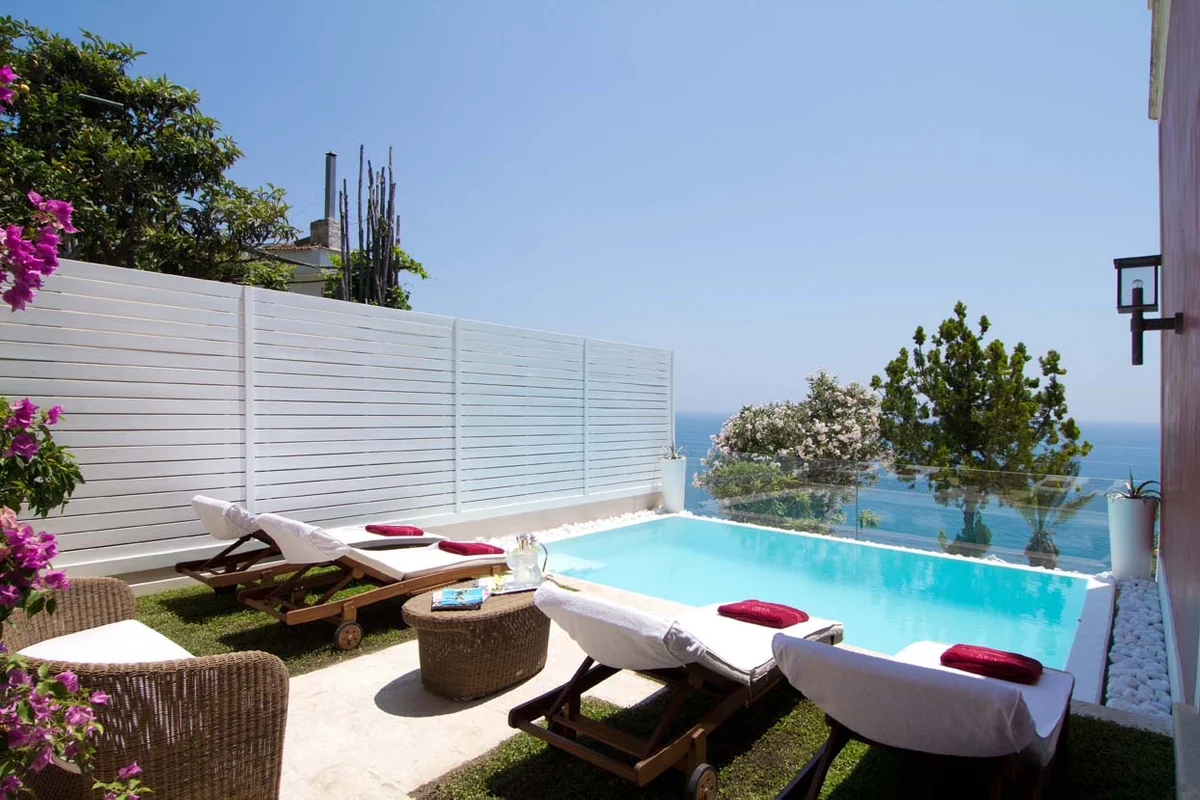
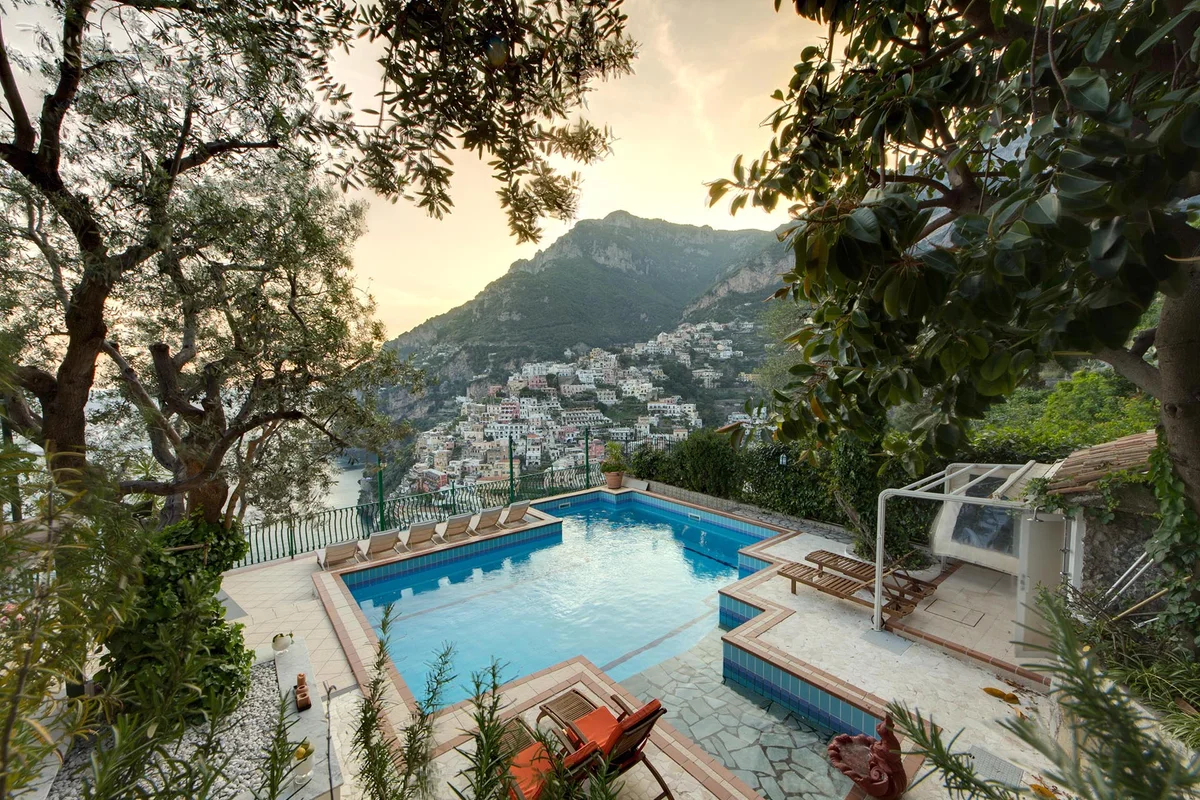
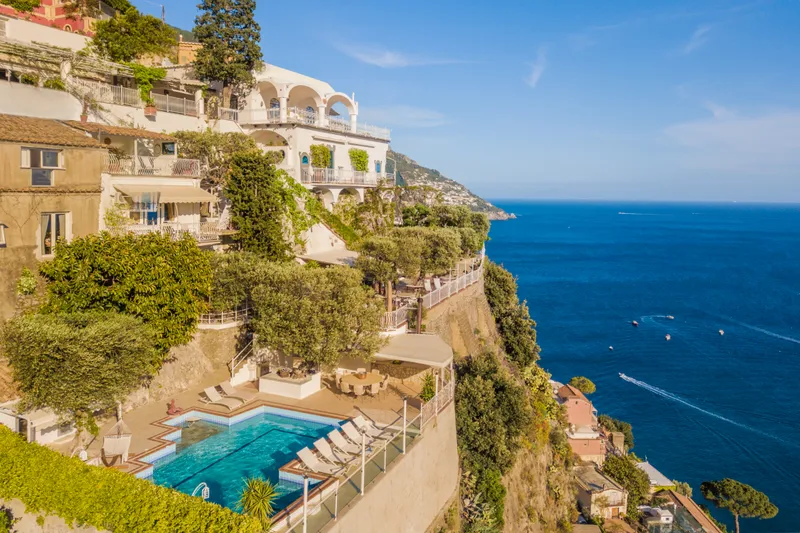
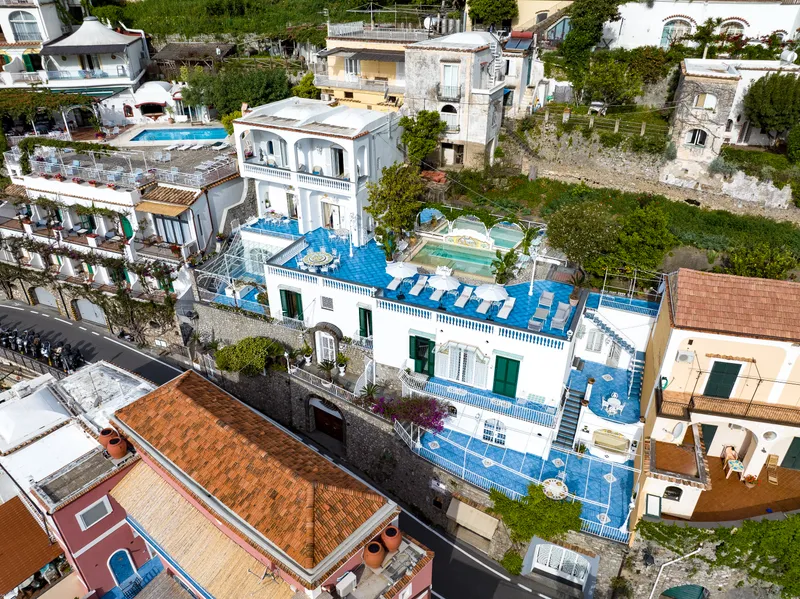
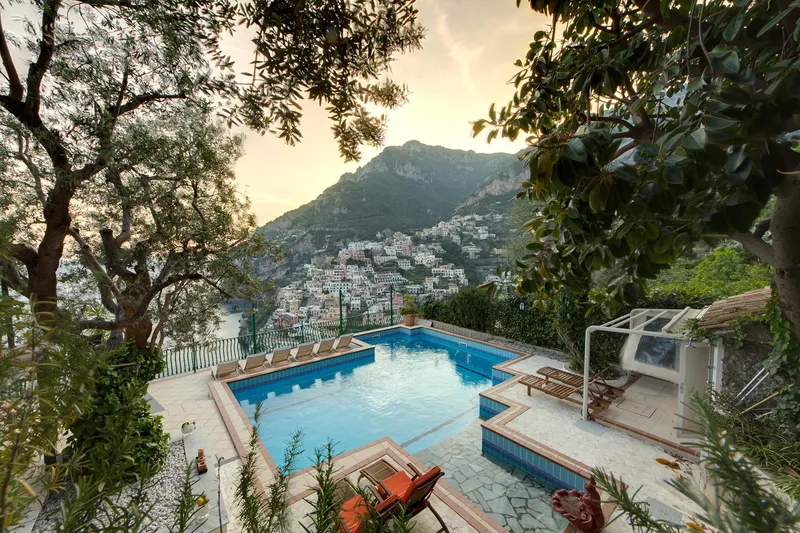
The short answer, from an operator who runs villas across the Amalfi Coast: yes, the coast is safe for a luxury traveler in 2026. Italy is a European Union member state with strong rule of law, low homicide rates, and no active political or public-order concerns affecting the Sorrentine or Amalfi peninsulas. Violent crime against foreign tourists is close to zero. A staffed villa in Ravello, Praiano, above Positano, or on the Sorrento peninsula removes almost every practical safety question. The honest answer takes another two thousand words because the risk story on this coast is very specific: the SS163 coastal road, the ferry weather, the hiking, and one specific week in August. This guide walks each one and explains what the villa base actually solves. Villa Mon Repos, Positano The Actual Risk Picture The Amalfi Coast in 2026 operates under Italian and EU law, with the Carabinieri and Polizia di Stato both present in Amalfi, Positano, Ravello, and along the SS163, and a tourism-first political incentive to keep the coast safe. The US State Department places Italy at Level 2 Exercise Increased Caution, the same as most of Europe, and calls out general vigilance in tourist areas for pickpocketing. The actual crime story on the coast is: pickpocketing on ferries and buses at peak season is the main incident type; taxi and car-service overcharge disputes happen in Naples arrival more than on the coast itself; and violent crime against foreign tourists is close to zero in any recent year of records. This is a low-crime destination in a low-crime country in a low-crime region. What actually gets people hurt on the Amalfi Coast is the SS163 highway between Meta and Vietri sul Mare, cliff walks in unsuitable footwear during summer heat, and small-boat charters caught out by weather. Every year the local news covers a rescue on the Sentiero degli Dei, a fatal scooter accident on the SS163, or a boat that got in trouble in strong seas. None of these are handled by a Carabinieri patrol. All of them are handled by a driver, a villa concierge, and the willingness to say no to a walk-up rental offer. That is what the villa infrastructure buys you. Neighborhood by Neighborhood The Amalfi Coast is fifty kilometers of cliffs and towns, and where you sleep decides the shape of the trip. Positano is the postcard: pastel houses, the black-and-red duomo, the narrow main street, and the crush of day-trippers in high season. Villas above Positano sit on the cliff face west or east of the town, reached by private steps and a driver at the top; the view is the view, the crowd below is not your problem. Villa Oliviero on the west side and Villa Mon Repos on the hillside above Spiaggia Grande are the two bases we recommend for a group that wants Positano proximity. Praiano is Positano's quieter neighbor five kilometers east. Fewer day-trippers, cheaper by ten to twenty percent, and a shorter drive into Positano than most Positano-proper hotels. Villa Ferida is here wit
The short answer, from an operator who runs villas across the Amalfi Coast: yes, the coast is safe for a luxury traveler in 2026. Italy is a European Union member state with strong rule of law, low homicide rates, and no active political or public-order concerns affecting the Sorrentine or Amalfi peninsulas. Violent crime against foreign tourists is close to zero. A staffed villa in Ravello, Praiano, above Positano, or on the Sorrento peninsula removes almost every practical safety question. The honest answer takes another two thousand words because the risk story on this coast is very specific: the SS163 coastal road, the ferry weather, the hiking, and one specific week in August. This guide walks each one and explains what the villa base actually solves.
The Actual Risk Picture
The Amalfi Coast in 2026 operates under Italian and EU law, with the Carabinieri and Polizia di Stato both present in Amalfi, Positano, Ravello, and along the SS163, and a tourism-first political incentive to keep the coast safe. The US State Department places Italy at Level 2 Exercise Increased Caution, the same as most of Europe, and calls out general vigilance in tourist areas for pickpocketing. The actual crime story on the coast is: pickpocketing on ferries and buses at peak season is the main incident type; taxi and car-service overcharge disputes happen in Naples arrival more than on the coast itself; and violent crime against foreign tourists is close to zero in any recent year of records. This is a low-crime destination in a low-crime country in a low-crime region.
What actually gets people hurt on the Amalfi Coast is the SS163 highway between Meta and Vietri sul Mare, cliff walks in unsuitable footwear during summer heat, and small-boat charters caught out by weather. Every year the local news covers a rescue on the Sentiero degli Dei, a fatal scooter accident on the SS163, or a boat that got in trouble in strong seas. None of these are handled by a Carabinieri patrol. All of them are handled by a driver, a villa concierge, and the willingness to say no to a walk-up rental offer. That is what the villa infrastructure buys you.
Neighborhood by Neighborhood
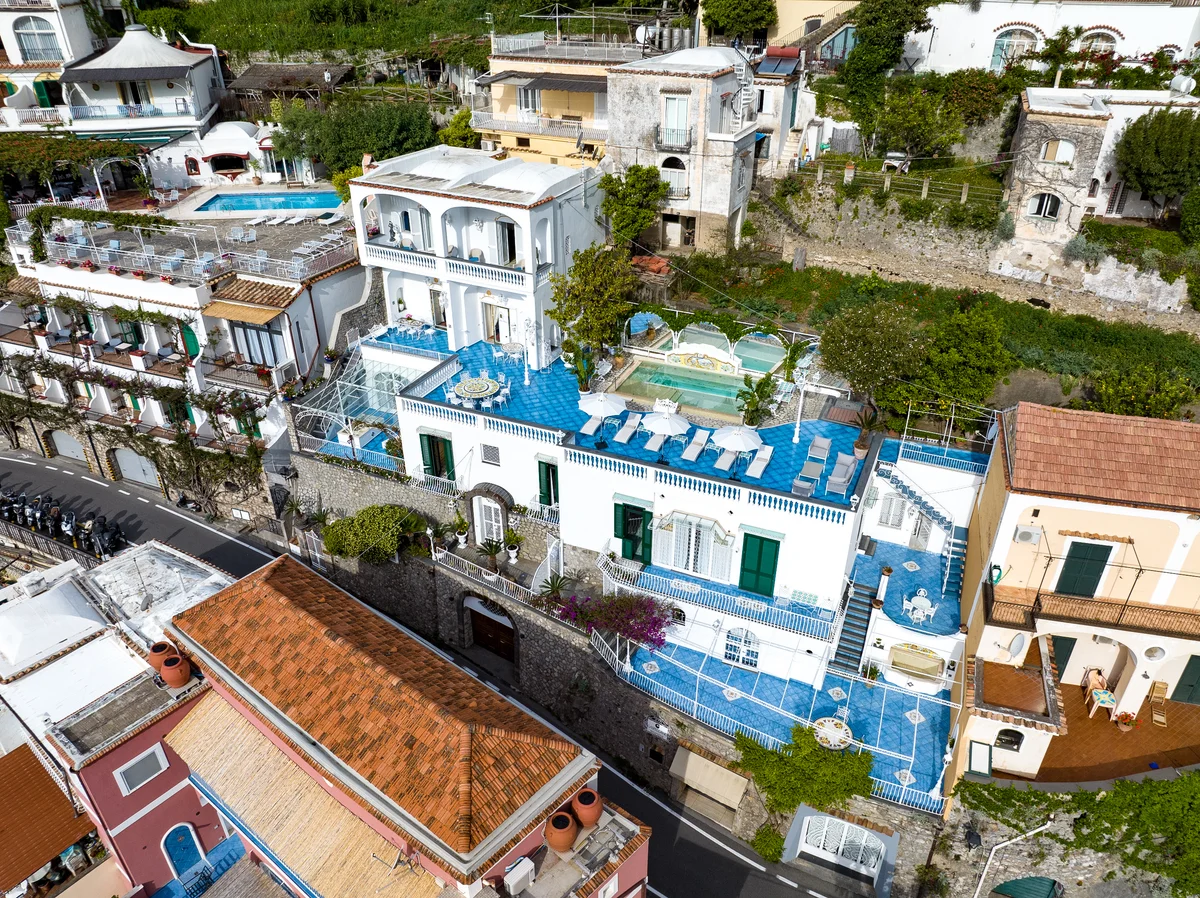
The Amalfi Coast is fifty kilometers of cliffs and towns, and where you sleep decides the shape of the trip. Positano is the postcard: pastel houses, the black-and-red duomo, the narrow main street, and the crush of day-trippers in high season. Villas above Positano sit on the cliff face west or east of the town, reached by private steps and a driver at the top; the view is the view, the crowd below is not your problem. Villa Oliviero on the west side and Villa Mon Repos on the hillside above Spiaggia Grande are the two bases we recommend for a group that wants Positano proximity.
Praiano is Positano's quieter neighbor five kilometers east. Fewer day-trippers, cheaper by ten to twenty percent, and a shorter drive into Positano than most Positano-proper hotels. Villa Ferida is here with a plunge pool and a wide view of the coast toward Capri. Furore is the next village east with the famous fjord and a small cluster of boutique places; then Conca dei Marini, then Amalfi town itself.
Amalfi town is the historical anchor of the coast, with the cathedral of Sant'Andrea, the ferry hub, the lemon-covered pergolas above the marina, and a slower pace than Positano. It suits travelers who want the history rather than the Instagram frame, and the villas around it (Conca, Furore) are our recommendation for a first Amalfi-Coast trip that wants to see everything. Ravello is up the mountain above Amalfi and, for many seasoned Amalfi visitors, the base they come back to: cooler in summer, the Villa Cimbrone and Villa Rufolo gardens, the Ravello summer festival, and quiet nights. Nocelle and Montepertuso are the villages above Positano on the cliff, connected by winding roads and the Sentiero degli Dei; the most private and the most driving.
The coast also extends east from Amalfi to Minori, Maiori, Cetara (the anchovy town), Erchie, and Vietri sul Mare (the ceramic town). These smaller villages are quiet, uncrowded even in high season, and worth a lunch or a day trip; they sleep quiet at night. West of Positano, the Sorrento peninsula (Sant'Agnello, Massa Lubrense, Nerano, Termini) has its own villa scene, is closer to Naples airport, and is where several of our travelers who did Amalfi three times start their fourth trip. Sorrento itself is a bigger town, more like Amalfi than Positano in feel, and a functional base for a family that wants a wider street plan and the walk to a main piazza.
Month by Month
The Amalfi Coast season runs Easter to late October. May and early June are the sweet spot: warm days, cool evenings, restaurants open, ferries running, moderate crowds, and the coast at its best. This is when villa neighborhoods have their windows open. Mid June through mid July is high season warming up: prices climb, cabana reservations require weeks of lead time, and the water is warm enough to swim.
Mid July through August is peak. Restaurants require reservations weeks ahead, ferry lines can be an hour, and the SS163 backs up in daylight. The specific window August 10 to 25 is Ferragosto, the Italian internal-vacation holiday, plus the international peak overlapping; every crowd, price, and reservation attempt triples. If the calendar allows any other week, take it.
September into early October is the second sweet spot: warm sea, thinning crowds, ferries still running, prices dropping. Ravello and the higher villages get cooler in the evenings and are lovely then. Late October and November begin the shoulder; some restaurants and boat operators close for winter. December through Easter, most of the coast closes to the summer economy, though Ravello and Sorrento stay open for winter travel. The one weather event to plan around is the summer thunderstorm and the fall high-pressure gap that can produce sea state high