Is Positano Safe?

The honest Positano and Amalfi Coast safety answer for 2026. Crime is close to zero, the risk is the SS163 coastal road, ferry cancellations, and the August peak. Solo, family, and LGBTQ+ context.

The short answer, from an operator who runs villas on the Amalfi Coast: yes, Positano is safe for a luxury traveler in 2026. Violent crime against tourists is close to zero, Italy operates under strong European rule-of-law norms, and a staffed villa above Positano or on the surrounding cliffs of Praiano, Ravello, and Nerano removes almost every practical safety question. The honest answer takes another two thousand words because the risk story on this coast is not what visitors expect. It is not muggings and it is not scams. It is the road, the ferry weather, the summer peak week, and one specific set of solo-traveler and hiking considerations. This guide walks each one and explains how the villa base solves for all of them. Villa Oliviero, Positano The Actual Risk Picture Italy is a Schengen Area European Union member with strong rule of law, low homicide rates, and no active political or terrorism concerns affecting the Amalfi Coast in 2026. The Carabinieri (national gendarmerie) and Polizia di Stato are both present in Positano, Amalfi, Ravello, and along the coast, and the tourism economy is the local economy so protection is a priority. The US State Department places Italy at Level 2 Exercise Increased Caution, the same as most of Europe, with specific mention of general vigilance in tourist areas for pickpocketing. That is the actual crime story: pickpocketing on ferries and buses at peak season is the main incident type. Violent crime against foreign tourists on the Amalfi Coast is close to zero in any given year. The risk that changes the odds on this coast is environmental and infrastructural. The SS163 coastal road, one of the most beautiful drives in the world, is also one of the more consequential to drive: single-lane in places, hairpin turns, no guardrail on drops of hundreds of feet, and shared with tour buses and delivery trucks. Ferry cancellations from Salerno, Amalfi, or Positano are common enough in summer weather to plan around. Cliff hikes including the Sentiero degli Dei have accidents every year, mostly involving inappropriate footwear and mid-afternoon summer heat. Boat charters, jet skis, and small watercraft rented without oversight round out the incident picture. These are handled by a villa base and a driver; they are almost impossible to avoid on your own. Neighborhood by Neighborhood Positano is really one town spread across a very steep bay, and the practical differences on the Amalfi Coast come from which town you sleep in. Positano itself has the postcard: cascading pastel houses, the black-and-red duomo, and a narrow main street that fills with day-trippers in high season. Villas above Positano sit on the cliff-face west or east of town, reached by private steps and a driver at the top; once inside, the view is the view, and the crowd below is not your problem. Villa Oliviero sits on the west-side cliff facing the bay and functions as a private base from which Positano is a five-minute drive down. Praiano is Pos

The short answer, from an operator who runs villas on the Amalfi Coast: yes, Positano is safe for a luxury traveler in 2026. Violent crime against tourists is close to zero, Italy operates under strong European rule-of-law norms, and a staffed villa above Positano or on the surrounding cliffs of Praiano, Ravello, and Nerano removes almost every practical safety question. The honest answer takes another two thousand words because the risk story on this coast is not what visitors expect. It is not muggings and it is not scams. It is the road, the ferry weather, the summer peak week, and one specific set of solo-traveler and hiking considerations. This guide walks each one and explains how the villa base solves for all of them.

The Actual Risk Picture

Italy is a Schengen Area European Union member with strong rule of law, low homicide rates, and no active political or terrorism concerns affecting the Amalfi Coast in 2026. The Carabinieri (national gendarmerie) and Polizia di Stato are both present in Positano, Amalfi, Ravello, and along the coast, and the tourism economy is the local economy so protection is a priority. The US State Department places Italy at Level 2 Exercise Increased Caution, the same as most of Europe, with specific mention of general vigilance in tourist areas for pickpocketing. That is the actual crime story: pickpocketing on ferries and buses at peak season is the main incident type. Violent crime against foreign tourists on the Amalfi Coast is close to zero in any given year.

The risk that changes the odds on this coast is environmental and infrastructural. The SS163 coastal road, one of the most beautiful drives in the world, is also one of the more consequential to drive: single-lane in places, hairpin turns, no guardrail on drops of hundreds of feet, and shared with tour buses and delivery trucks. Ferry cancellations from Salerno, Amalfi, or Positano are common enough in summer weather to plan around. Cliff hikes including the Sentiero degli Dei have accidents every year, mostly involving inappropriate footwear and mid-afternoon summer heat. Boat charters, jet skis, and small watercraft rented without oversight round out the incident picture. These are handled by a villa base and a driver; they are almost impossible to avoid on your own.

Neighborhood by Neighborhood

Positano is really one town spread across a very steep bay, and the practical differences on the Amalfi Coast come from which town you sleep in. Positano itself has the postcard: cascading pastel houses, the black-and-red duomo, and a narrow main street that fills with day-trippers in high season. Villas above Positano sit on the cliff-face west or east of town, reached by private steps and a driver at the top; once inside, the view is the view, and the crowd below is not your problem. Villa Oliviero sits on the west-side cliff facing the bay and functions as a private base from which Positano is a five-minute drive down.

Praiano is Positano's quieter neighbor to the east, less famous, and where several of our best villas sit. Villa Ferida and Villa Mon Repos are here on the cliff, with a shorter drive into Positano than most of the Positano-proper hotels, and quieter nights. Nocelle and Montepertuso are the villages above Positano on the cliff, connected by winding roads and the Sentiero degli Dei footpath; villas here are the most private and require the most driving. Amalfi town itself is the historical anchor of the coast, with the cathedral, restaurants, and the ferry hub; it sleeps quiet at night and functions well for slightly older travelers. Ravello is up the mountain above Amalfi, cooler in summer, with the Villa Cimbrone gardens and the summer festival, and it is where seasoned Amalfi visitors return to for the fifth or sixth trip.

Every villa neighborhood on this coast is quiet after dark, secure by the geography of the cliffs and the private access roads, and safe for a walk to the local restaurant if you know the terrain. The town centers themselves (Positano main street, Amalfi piazza) are safe day and night by European standards, with the pickpocket-in-a-crowd caveat that applies to any tourist-dense city.

Month by Month

The Amalfi safety calendar is dominated by wind, water, and crowd. May and early June are the sweet spot: warm days, cool evenings, restaurants open, ferries running, and moderate crowds. This is when the coast is at its best for a luxury traveler and when villa neighborhoods have their windows open. Mid June through mid July is high season warming up: prices climb, cabana reservations get harder, ferry service is at maximum, and the water is warm enough to swim.

Mid July through August is peak: everything at maximum, restaurants require reservations weeks in advance, ferry lines can be an hour long, and the SS163 road can back up to a crawl in daylight. The specific window August 10 to August 25 is the Ferragosto Italian internal holiday plus the international peak overlapping; if you have flexibility on any other week, take it. September into early October is the second sweet spot: warm sea, thinning crowds, ferries still running, prices dropping. Late October and November begin the shoulder; some restaurants and boat operators close for winter, and by late November through March the coast is quiet, cool, and largely closed to the summer economy. Winter travel is safe and quiet but many villas close for the season.

The one weather event to plan around is the summer thunderstorm and the fall high-pressure gap that produces strong seas. A summer squall out of a clear sky can cancel afternoon ferries, close some beach clubs, and disrupt boat charters; the storms move through in hours but they close operations for the day. September and October afternoons can produce genuine sea state that keeps the small boat charters at the dock. Leave a day of buffer around your flight home on either side.
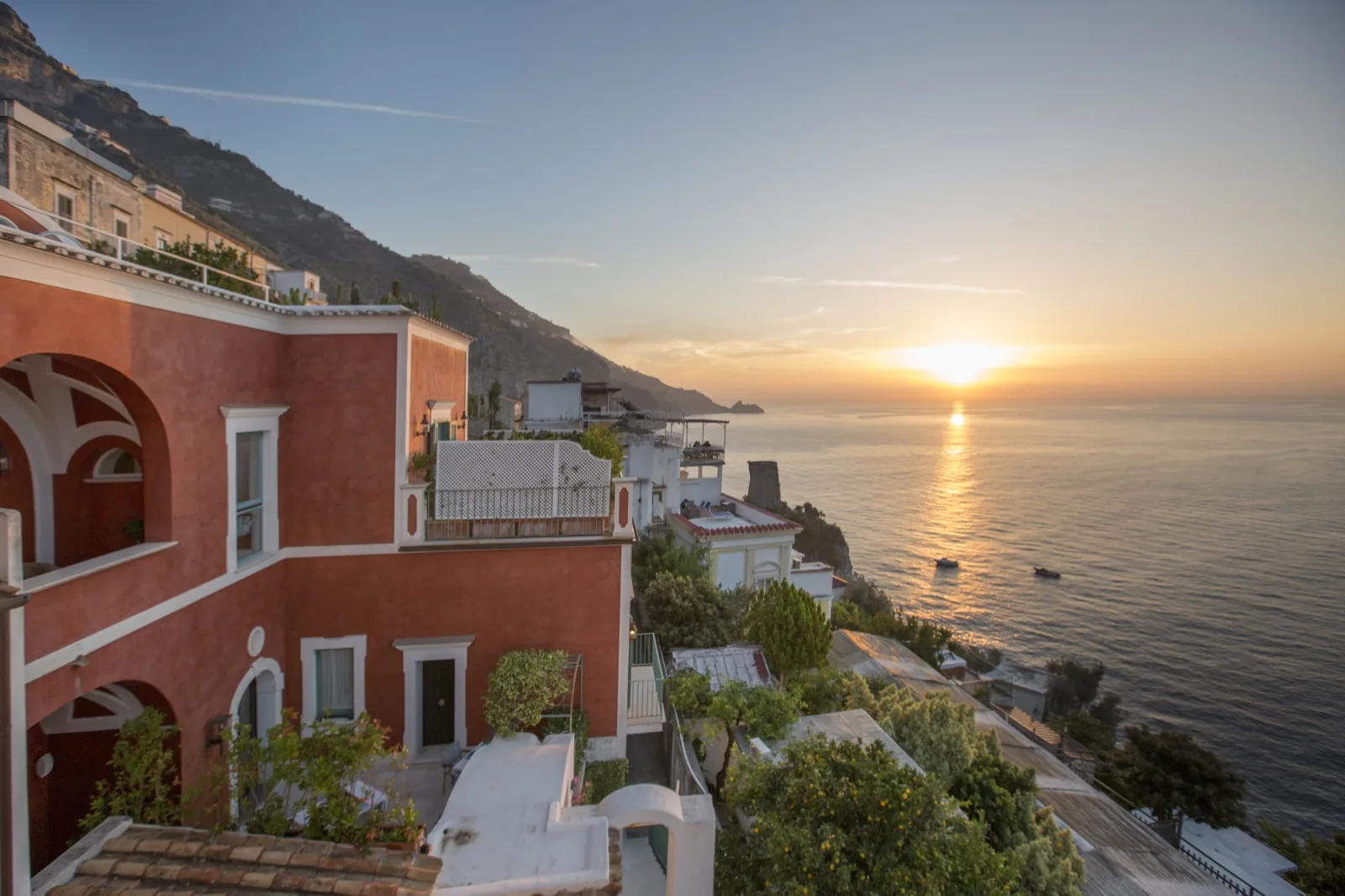
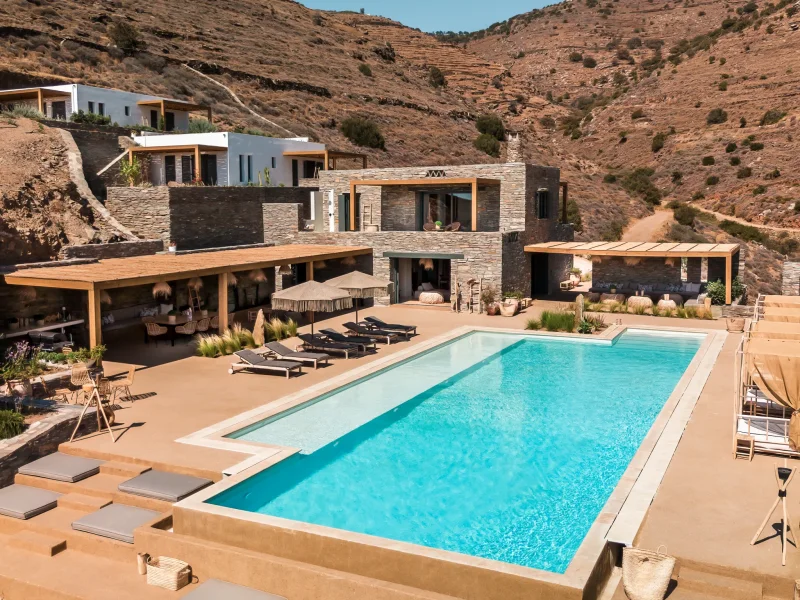
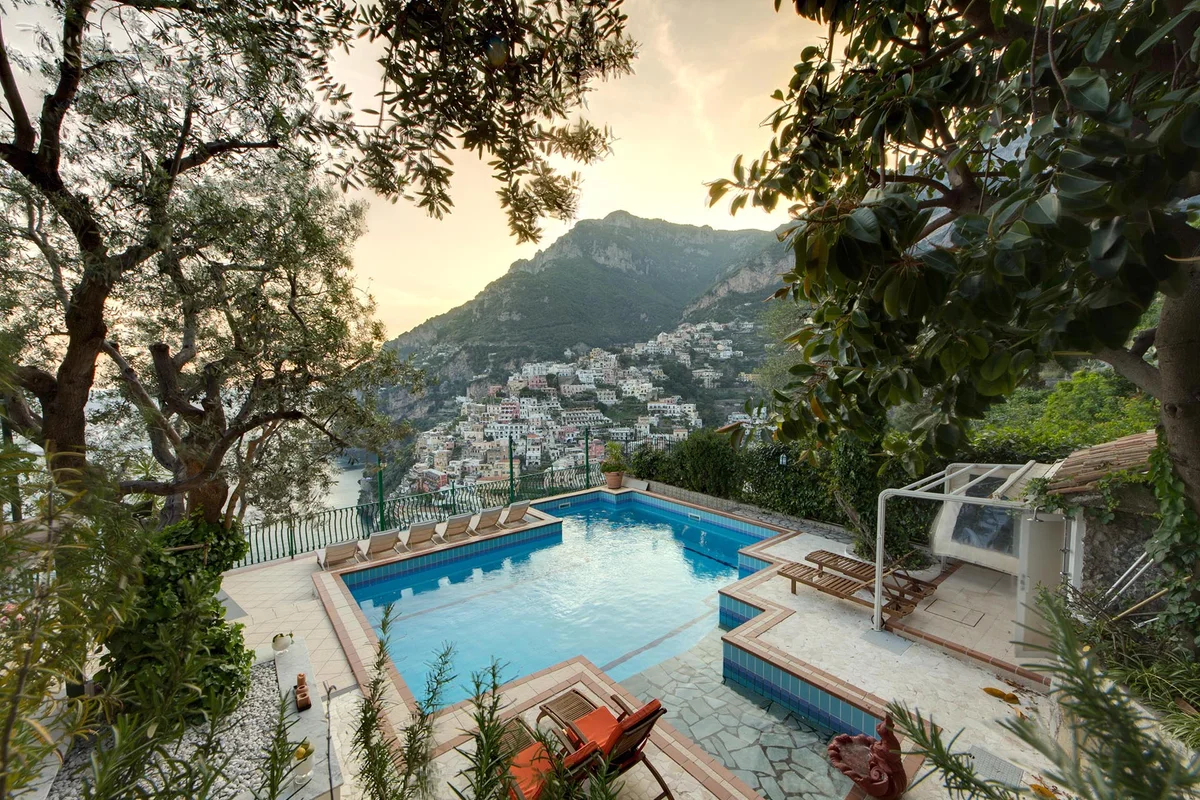
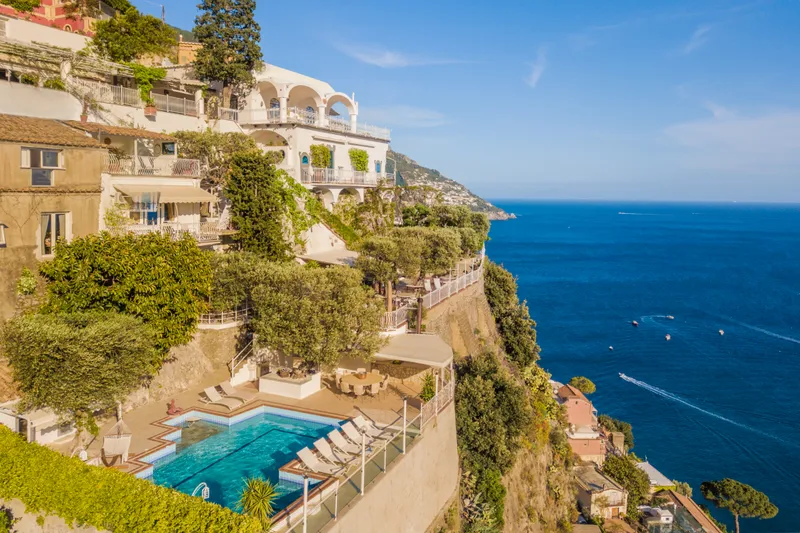
Positano cliffside villa with terraced pool and pastel houses cascading to the Tyrrhenian Sea at sunset
Guides
POSITANO

Is Positano Safe?

A Luxury Traveler's Honest Guide
Cameron Elder
·
September 22, 2026
·
11 min read
The honest Positano safety answer for 2026. Crime is close to zero, the risk story is the SS163 coastal road, ferry weather, and the August crowd. Villa base handles all of it.
The short answer, from an operator who runs villas on the Amalfi Coast: yes, Positano is safe for a luxury traveler in 2026. Violent crime against tourists is close to zero, Italy operates under strong European rule-of-law norms, and a staffed villa above Positano or on the surrounding cliffs of Praiano, Ravello, and Nerano removes almost every practical safety question. The honest answer takes another two thousand words because the risk story on this coast is not what visitors expect. It is not muggings and it is not scams. It is the road, the ferry weather, the summer peak week, and one specific set of solo-traveler and hiking considerations. This guide walks each one and explains how the villa base solves for all of them.
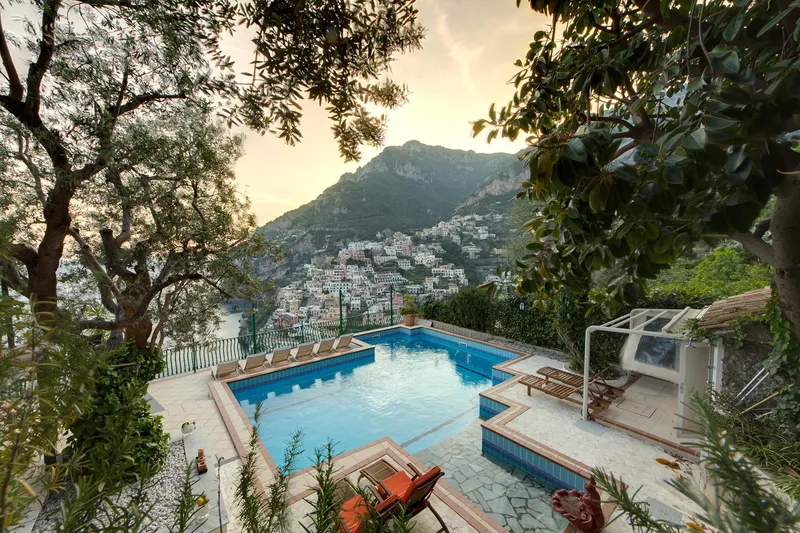
Villa Oliviero clifftop pool overlooking Positano bay at sunset
Villa Oliviero, Positano

The Actual Risk Picture

Italy is a Schengen Area European Union member with strong rule of law, low homicide rates, and no active political or terrorism concerns affecting the Amalfi Coast in 2026. The Carabinieri (national gendarmerie) and Polizia di Stato are both present in Positano, Amalfi, Ravello, and along the coast, and the tourism economy is the local economy so protection is a priority. The US State Department places Italy at Level 2 Exercise Increased Caution, the same as most of Europe, with specific mention of general vigilance in tourist areas for pickpocketing. That is the actual crime story: pickpocketing on ferries and buses at peak season is the main incident type. Violent crime against foreign tourists on the Amalfi Coast is close to zero in any given year.
The risk that changes the odds on this coast is environmental and infrastructural. The SS163 coastal road, one of the most beautiful drives in the world, is also one of the more consequential to drive: single-lane in places, hairpin turns, no guardrail on drops of hundreds of feet, and shared with tour buses and delivery trucks. Ferry cancellations from Salerno, Amalfi, or Positano are common enough in summer weather to plan around. Cliff hikes including the Sentiero degli Dei have accidents every year, mostly involving inappropriate footwear and mid-afternoon summer heat. Boat charters, jet skis, and small watercraft rented without oversight round out the incident picture. These are handled by a villa base and a driver; they are almost impossible to avoid on your own.

Neighborhood by Neighborhood

Positano is really one town spread across a very steep bay, and the practical differences on the Amalfi Coast come from which town you sleep in. Positano itself has the postcard: cascading pastel houses, the black-and-red duomo, and a narrow main street that fills with day-trippers in high season. Villas above Positano sit on the cliff-face west or east of town, reached by private steps and a driver at the top; once inside, the view is the view, and the crowd below is not your problem. Villa Oliviero sits on the west-side cliff facing the bay and functions as a private base from which Positano is a five-minute drive down.
Praiano is Positano's quieter neighbor to the east, less famous, and where several of our best villas sit. Villa Ferida and Villa Mon Repos are here on the cliff, with a shorter drive into Positano than most of the Positano-proper hotels, and quieter nights. Nocelle and Montepertuso are the villages above Positano on the cliff, connected by winding roads and the Sentiero degli Dei footpath; villas here are the most private and require the most driving. Amalfi town itself is the historical anchor of the coast, with the cathedral, restaurants, and the ferry hub; it sleeps quiet at night and functions well for slightly older travelers. Ravello is up the mountain above Amalfi, cooler in summer, with the Villa Cimbrone gardens and the summer festival, and it is where seasoned Amalfi visitors return to for the fifth or sixth trip.
Every villa neighborhood on this coast is quiet after dark, secure by the geography of the cliffs and the private access roads, and safe for a walk to the local restaurant if you know the terrain. The town centers themselves (Positano main street, Amalfi piazza) are safe day and night by European standards, with the pickpocket-in-a-crowd caveat that applies to any tourist-dense city.

Month by Month

The Amalfi safety calendar is dominated by wind, water, and crowd. May and early June are the sweet spot: warm days, cool evenings, restaurants open, ferries running, and moderate crowds. This is when the coast is at its best for a luxury traveler and when villa neighborhoods have their windows open. Mid June through mid July is high season warming up: prices climb, cabana reservations get harder, ferry service is at maximum, and the water is warm enough to swim.
Mid July through August is peak: everything at maximum, restaurants require reservations weeks in advance, ferry lines can be an hour long, and the SS163 road can back up to a crawl in daylight. The specific window August 10 to August 25 is the Ferragosto Italian internal holiday plus the international peak overlapping; if you have flexibility on any other week, take it. September into early October is the second sweet spot: warm sea, thinning crowds, ferries still running, prices dropping. Late October and November begin the shoulder; some restaurants and boat operators close for winter, and by late November through March the coast is quiet, cool, and largely closed to the summer economy. Winter travel is safe and quiet but many villas close for the season.
The one weather event to plan around is the summer thunderstorm and the fall high-pressure gap that produces strong seas. A summer squall out of a clear sky can cancel afternoon ferries, close some beach clubs, and disrupt boat charters; the storms move through in hours but they close operations for the day. September and October afternoons can produce genuine sea state that keeps the small boat charters at the dock. Leave a day of buffer around your flight home on either side.

The SS163, Explained

The SS163 Amalfitana is a two-lane road cut into the cliff face between Meta and Vietri sul Mare, and it is where a real percentage of Amalfi Coast tourist injuries happen. It is single-lane in places, blind hairpin turns, no guardrail on drops of two or three hundred feet, and shared with buses, delivery trucks, and rental scooters ridden by tourists who have never seen a road like it. Our position: do not rent a car to drive it yourself unless you are experienced with mountain-road driving. And do not rent a scooter or moped, which is where a significant share of injuries come from. The taxi rides and villa transport we book are inexpensive by luxury-trip standards and remove the whole question. Ferry service between Sorrento, Positano, Amalfi, Salerno, Capri, and Naples runs in season and is the smarter way to move on the water.
If you are driving inland from Naples airport, hire a driver for the two-hour transfer to your villa; the last thirty minutes of that drive is the SS163 and it is not the moment to be figuring out how to navigate hairpins. Villa transport handles all of this. Villa concierge does the rest.
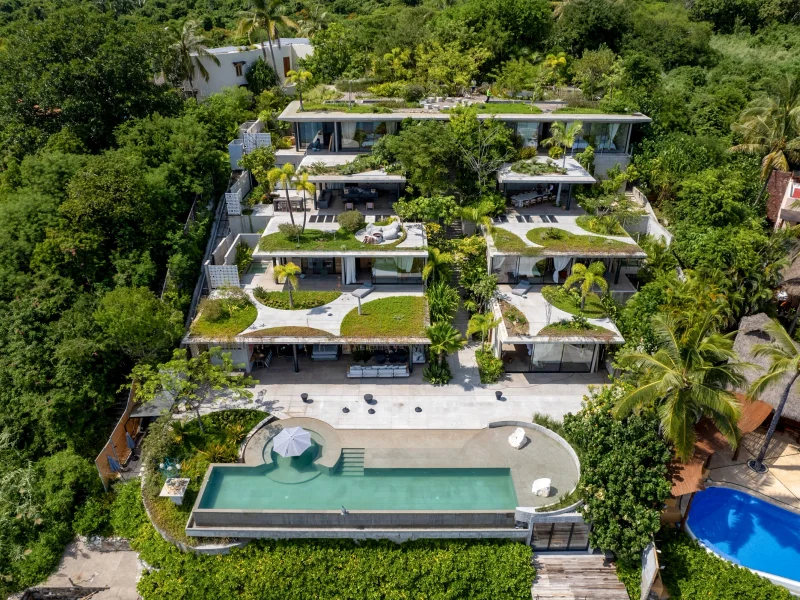
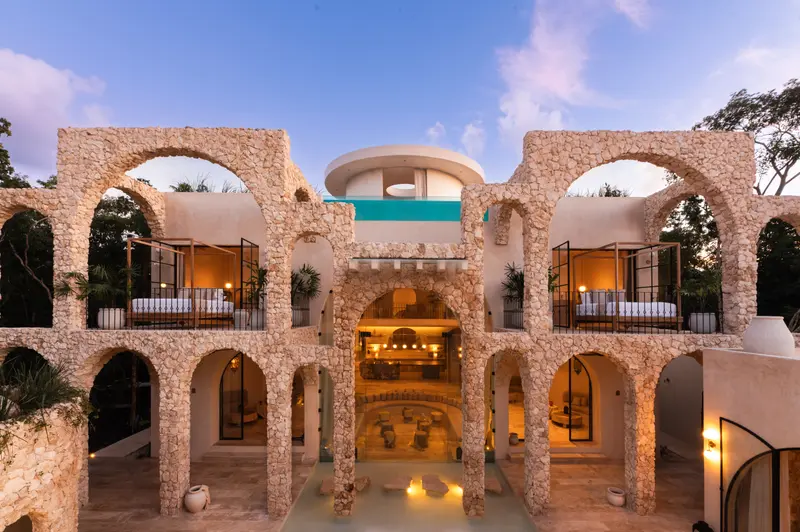
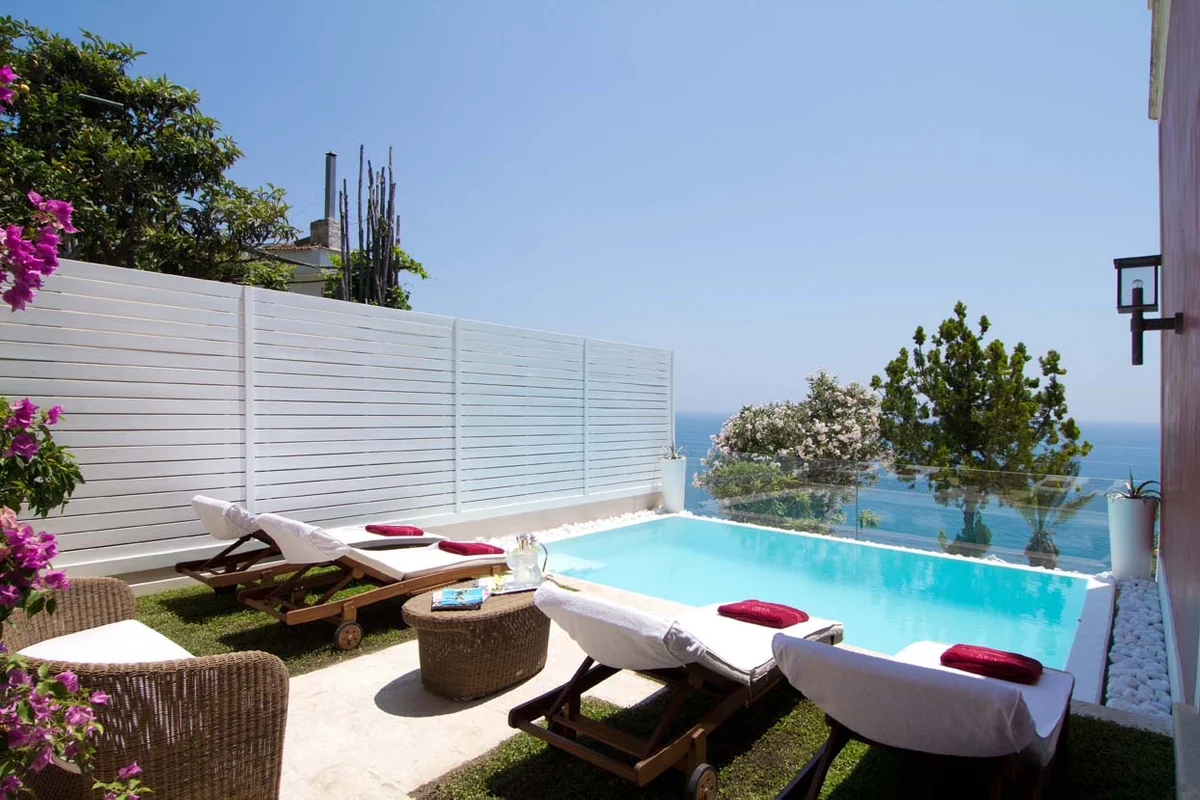
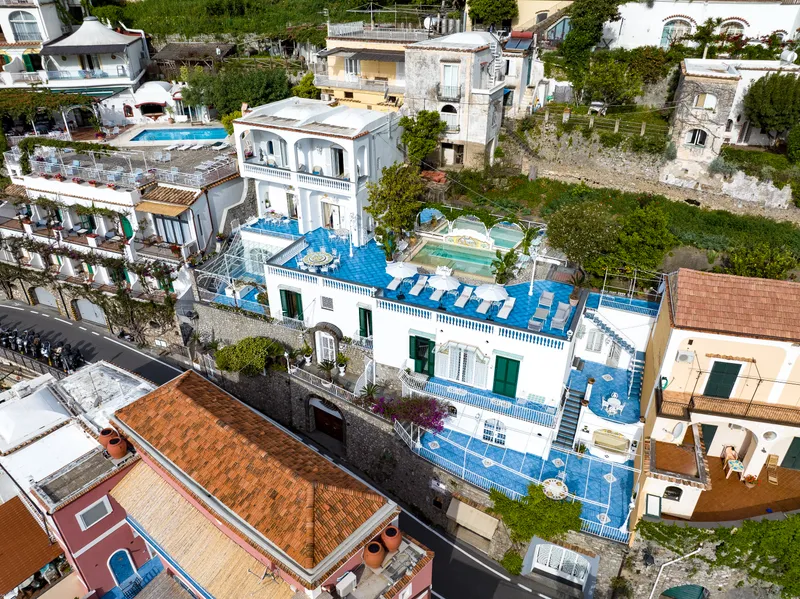
Villa Ferida terrace with a plunge pool and view over the Praiano coast toward Capri
Villa Ferida, Praiano
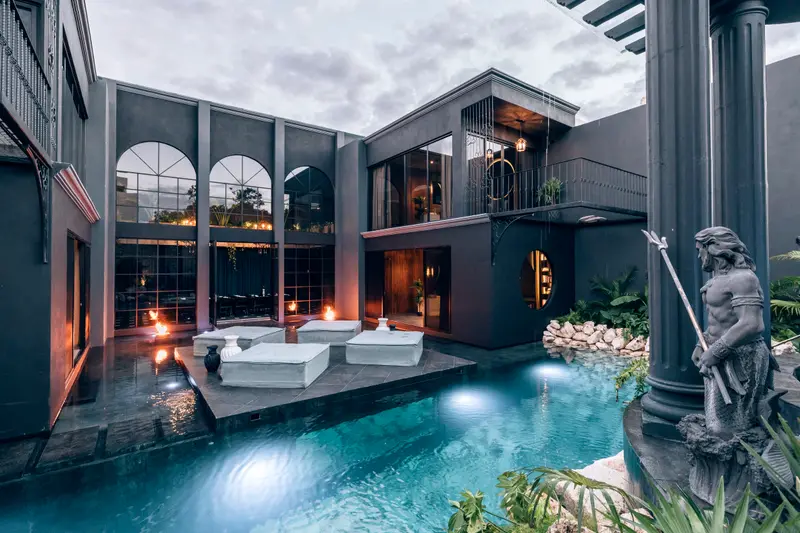
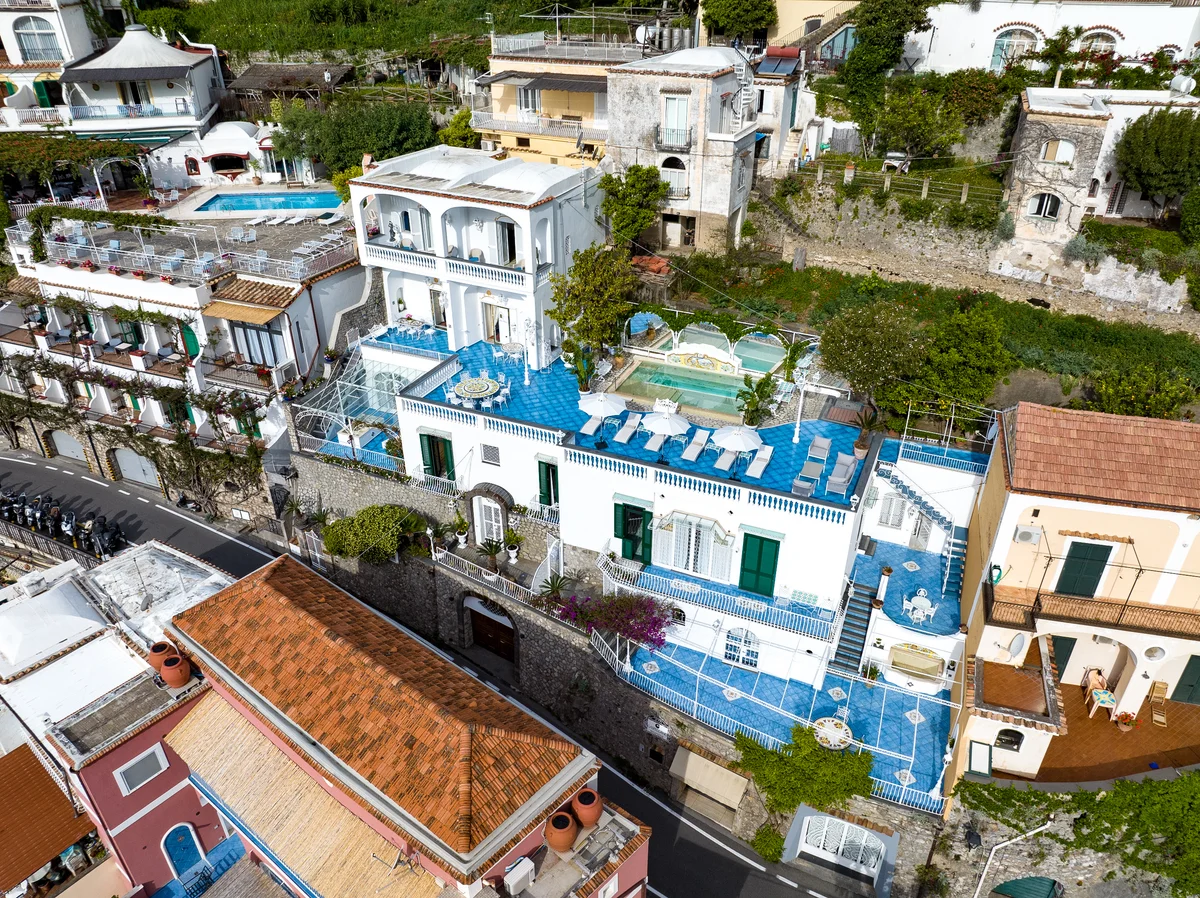
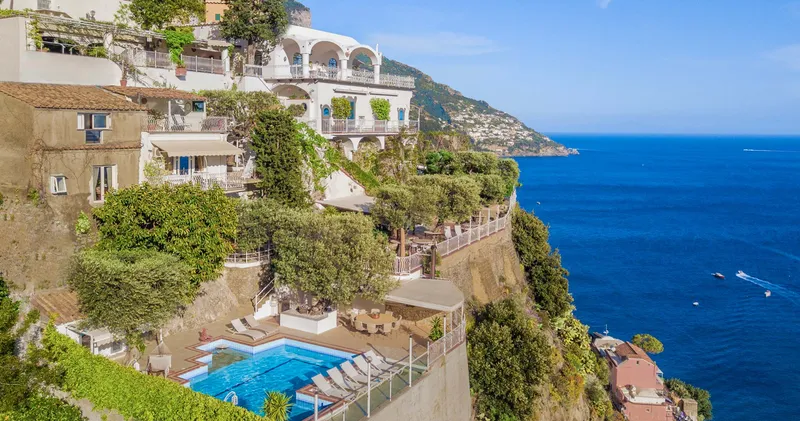
Villa Mon Repos in Positano with a stone-clad pool deck and a wide view of the bay and Li Galli islands
Villa Mon Repos, Positano

The Ferry Weather and the Boat Question

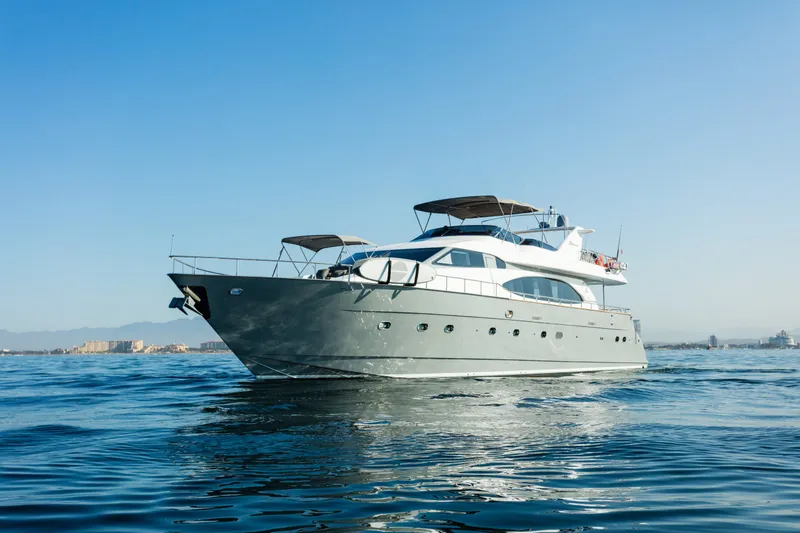
Ferries are the smart way to move between Positano, Amalfi, Capri, Sorrento, Salerno, and Naples in season. In moderate weather they run on schedule. In strong seas, especially in September and October afternoons, they cancel. Every summer the local news carries at least one story about a small-boat charter caught out. Two things to know: do not book flights out of Naples with a tight ferry connection on the day of departure; leave a full day of buffer, ideally sleeping in Sorrento the night before if your ferry origin was Positano. And when booking private boat charters, use the concierge-vetted operators rather than the walk-up marina touts; the difference between a licensed captain who checks the weather and a marina hustler who does not is real, and it is the reason we do not let guests walk-up book boats.
For calm-day boat charters, this coast is one of the great small-boat destinations in the Mediterranean: the Li Galli islands, the Positano bay from the water, Capri's Blue Grotto, and the north Amalfi Coast are all accessible from a well-run private charter. The staff on our better villas know the boat operators by name and by weather record. Trust that filter.

Hiking, Beaches, and the Small Stuff

The Sentiero degli Dei (Path of the Gods) is the famous cliff-top hike between Bomerano and Nocelle, and it is one of the best walks in Italy. It is also where several tourist rescues happen every summer. It is not a paved path, it is exposed to sun, and it requires proper hiking shoes and water and an early start. The 1,500-step descent from Nocelle down to Positano at the end is where the ankle sprains happen. Book a guide from your villa concierge, start at dawn in July or August, and carry more water than you think you need. Do not attempt it in flip flops. Do not attempt it in mid-afternoon summer heat.
Beaches on the Amalfi Coast are generally safe swimming. Positano's Spiaggia Grande is calm and lifeguarded. Fornillo (a short walk west) is quieter. Praiano's beaches (Marina di Praia, Gavitella) are all small pebble coves; the sea is manageable and the current is usually mild. The one thing to know: the Tyrrhenian Sea can produce a sudden strong afternoon current, particularly in early summer when the water is still warming; if a lifeguard flags the beach yellow or red, take it seriously.

The Villa Advantage on the Amalfi Coast Specifically

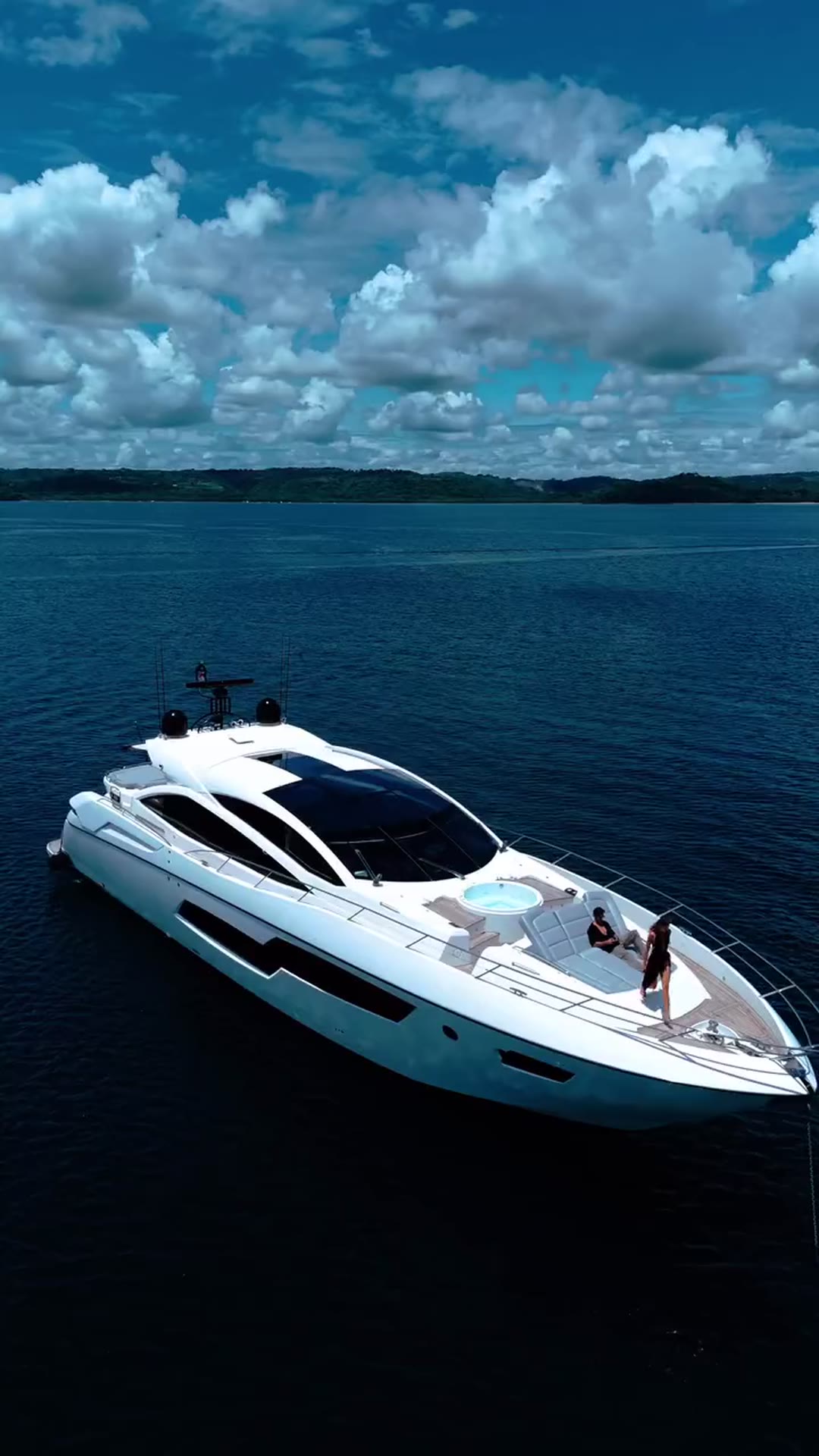
The villa advantage on the Amalfi Coast is transport, kitchen, and view. A cliffside villa in Positano, Praiano, or Nocelle solves the SS163 question with a driver on WhatsApp for every trip down the mountain, the ferry-cancellation question with a private pool and a chef in the kitchen for any day the boat is off, and the tourist-crush question by giving you a base above the crowd. Every real risk on this coast is either eliminated or halved by that setup. Villa Oliviero, Villa Ferida, and Villa Mon Repos each solve for a different group size and mood; the concierge who books them arranges the boat, the restaurant, the hike guide, the Ravello concert tickets. The whole coast becomes a set of experiences rather than a set of logistics.

What to Skip and What to Say No To

Renting a car in Naples to drive the SS163 yourself unless you are experienced with mountain-road driving
Renting a scooter or moped on this coast; the injury rate is real and the roads are unforgiving
Walking the Sentiero degli Dei in flip flops, in midday summer heat, or without water
Walk-up boat charters at the marina; use the concierge-vetted operators
Tight ferry-to-flight connections on the departure day; buffer a day, sleep near Sorrento or Naples the night before
Sitting on the beach when the lifeguard has flagged the water yellow or red
Public transport with visible expensive items in an open bag in the ferry queue; use a zippered daypack
Booking an August 10-25 trip if the calendar allows any other week; the Ferragosto week is a different Amalfi

Solo, Family, and LGBTQ+ Travel

The Amalfi Coast is one of the easier European destinations for both solo travelers and families. Solo female travelers are common in Positano and Amalfi and the coast is welcoming; verbal attention is essentially nil compared to some other Italian regions. The Rome-to-coast approach for a solo traveler works well: take the fast train to Naples, driver from Naples to your villa, and use villa transport for everything after. Families with young children benefit from villa neighborhoods away from the main pedestrian street of Positano, with a private pool for the mid-afternoon nap window. Multigenerational trips work in the larger villas where each generation can keep its own hours.
The Amalfi Coast has been welcoming to LGBTQ+ travelers for decades and Positano in particular has a long history there; couples are unremarkable at every restaurant and villa concierge on the coast. Italian law includes strong LGBTQ+ protections at both the national and EU level, and the Sorrento peninsula and Amalfi Coast have zero record of incidents in a modern context.

The Honest Bottom Line

Positano and the wider Amalfi Coast in 2026 is one of the safest luxury destinations in Europe. Crime against foreign tourists is close to zero, the political and public-order environment is stable, and the tourism infrastructure is mature. The real things to plan around are the SS163 road (use villa transport), the ferry weather (buffer a day around flights), the Ferragosto peak (avoid August 10-25 if you can), and the small hiking mistakes people make in July and August heat. Do those and this is one of the coasts we send guests back to summer after summer; the villa becomes the base and the coast becomes the memory.
Key Takeaways
Positano is one of the safest destinations in Europe for a luxury traveler; violent crime against tourists is close to zero
The real risk is the SS163 coastal road, which is beautiful, narrow, and where most trip-changing injuries happen
Ferry service is the smart way in and out of the coast, but weather cancels sailings every summer; buffer a day around a flight home
August 10 to 25 is when the crowd triples and prices peak; if the calendar allows another window, take it
Solo female travelers and LGBTQ+ couples do well here; the coast is welcoming and the villa base removes almost every friction

Frequently Asked Questions

Is Positano safe for tourists in 2026?
Yes. Italy is a Schengen Area European Union member with strong rule of law, low homicide rates, and no active political or terrorism concerns affecting the Amalfi Coast. Violent crime against tourists is close to zero. The real risks are the SS163 road, ferry cancellations in strong seas, and the summer heat during long hikes.
Is it safe to drive the Amalfi Coast road?
It is not the road we recommend a first-time visitor drive. The SS163 is single-lane in places, hairpin turns, no guardrail on drops of two to three hundred feet, and shared with tour buses. If you rent a car, take a full-size vehicle, keep to daylight hours, and drive it only after you have watched a driver do it. Better: hire a driver or use villa transport, which is inexpensive by luxury-trip standards.
When is the best time to visit for safety and weather?
May, early June, September, and early October are the highest-value windows: warm days, cool evenings, ferries running, restaurants open, moderate crowds. Peak July and August work if you book everything six weeks ahead. The August 10 to 25 Ferragosto window is when Italian internal holidays plus international peak overlap; skip this week if you can.
Is Positano safe for solo female travelers?
Yes. The Amalfi Coast is welcoming and verbal attention is minimal compared to some other Italian regions. Base yourself in a villa above Positano or in Praiano rather than deep in the pedestrian old-town, use villa transport at night, and the coast handles the rest. Many solo female travelers come here every year and never have an incident to report.
Is Positano safe for LGBTQ+ travelers?
Yes. Positano has a long and welcoming history and Italian law includes strong LGBTQ+ protections at the national and EU level. Couples are unremarkable at every restaurant and villa on the coast.
What about ferry cancellations?
Common in strong seas, especially in September and October afternoons. Do not book tight ferry-to-flight connections on the departure day; leave a full day of buffer, ideally sleeping in Sorrento or Naples the night before. For private boat charters, use the concierge-vetted operators who check weather rather than walk-up marina bookings.
Is the Sentiero degli Dei hike safe?
It is safe with proper preparation and dangerous without it. Wear real hiking shoes, carry more water than you think you need, start at dawn in July or August to avoid mid-afternoon heat, and book a guide through the villa concierge on your first time. The 1500-step descent from Nocelle into Positano at the end is where most ankle injuries happen. Do not attempt in flip flops.
Can I drink the tap water in Positano?
Yes. Italian tap water is safe and generally excellent; the Amalfi Coast supply is from natural mountain springs. Villa staff serve it in decanters and every restaurant will bring you tap water without charge if asked. Bottled water is available everywhere but not necessary for safety.
Follow the journey @erentalsexclusive + @aurelseyez
Villa tours, destination guides, and behind-the-scenes content from the team on the ground
Cameron Elder
Founder, ERentals Exclusive
italy
positano
amalfi-coast
safety
travel-tips
See it in motion
From the feed
Real stays, real light. Press play or watch the full reel on Instagram.
Stay in the loop
© 2026 ERentals Exclusive