Best Time to Visit Positano
The honest month-by-month Positano and Amalfi Coast calendar for luxury travelers. Ferragosto peak, ferry weather, shoulder-window value, and the two windows to book.
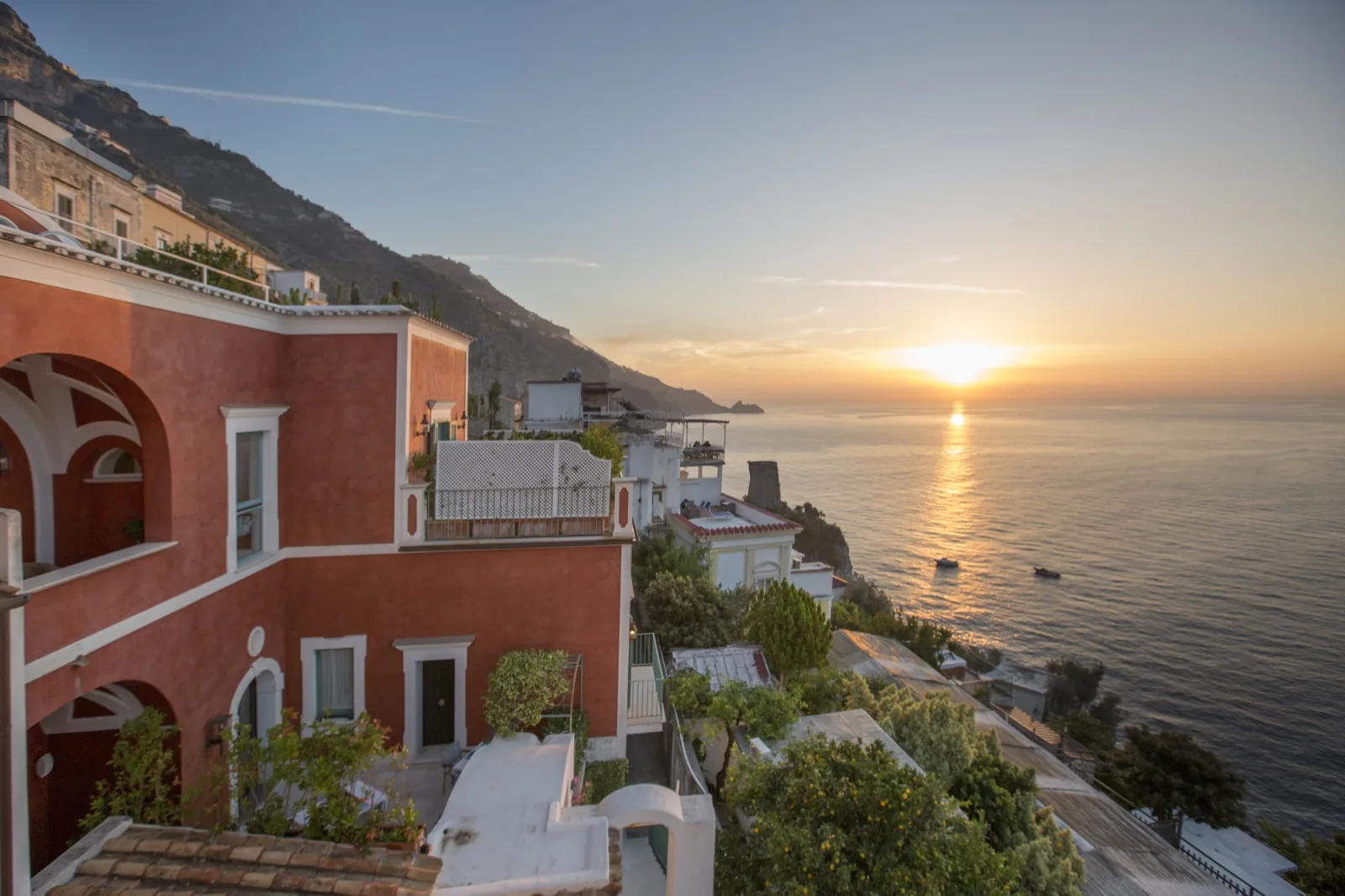
The short answer, from an operator who runs villas on the Amalfi Coast: May and early June, or September and early October, are the highest-value windows on the coast, and either one delivers the classic Positano experience without the peak crowd. The peak-summer window (mid July through August) works if you book everything six weeks ahead and accept the density. The specific fortnight of August 10 to 25, Ferragosto, is the one window we counsel travelers to plan around. The coast is essentially closed to summer tourism from November through March; some Ravello and Sorrento hotels stay open in winter but most villas do not. This guide walks the year month by month and names what each window brings. Villa Oliviero, Positano The Season, in One Paragraph The Amalfi Coast summer season effectively runs Easter (late March or early April) to late October. Ferries between Positano, Amalfi, Salerno, Sorrento, Capri, and Naples run through this window. Restaurants and beach clubs open by Easter and most close by early November. Villa neighborhoods above Positano, Praiano, and Ravello are open through this window and largely closed the rest of the year. Weather is dry and warm from June through September; May and October are cooler with occasional afternoon showers; November through March is quiet, cool, sometimes wet, and much of the coast's summer infrastructure is shuttered. Every month of the season has a specific character; the differences between them are real. May and Early June, the First Sweet Spot May opens the coast in a way that rewards the early booker. Restaurants and beach clubs are opening one by one, the lemon groves are in bloom, days are warm without being hot, evenings are cool enough for a light layer, and the sea is warming from the mid-teens Celsius to the low twenties by late May. The Positano tourist crush is not yet in effect; villa neighborhoods are quiet, and most of the season staff have just returned to work. The one weather caveat: May can produce a wet week. Track the forecast a week ahead and pack for both scenarios. By early June the water is swimmable for most travelers, the coast is fully open, and the sun is at its longest. Restaurants and beach cabanas are bookable a week ahead rather than six weeks. Ferries run on their full schedule. Villa rates are still below high-season peak. This is when many of our returning Amalfi guests come; the coast is at its best and the tourist crush has not started. If a specific date range in the calendar works for a trip, the last two weeks of May through the first two weeks of June are one of the two windows we would pick. Mid June through July, High Season Mid June is when high season begins in earnest. Cabana rates jump, restaurant reservations move to two-week lead times, and the ferry lines start to lengthen. Positano's Spiaggia Grande fills by 10am; villas at higher rate ranges start booking six months out for the July and August peak. Weather is warm and dry; sea state is calm,
The short answer, from an operator who runs villas on the Amalfi Coast: May and early June, or September and early October, are the highest-value windows on the coast, and either one delivers the classic Positano experience without the peak crowd. The peak-summer window (mid July through August) works if you book everything six weeks ahead and accept the density. The specific fortnight of August 10 to 25, Ferragosto, is the one window we counsel travelers to plan around. The coast is essentially closed to summer tourism from November through March; some Ravello and Sorrento hotels stay open in winter but most villas do not. This guide walks the year month by month and names what each window brings.
The Season, in One Paragraph
The Amalfi Coast summer season effectively runs Easter (late March or early April) to late October. Ferries between Positano, Amalfi, Salerno, Sorrento, Capri, and Naples run through this window. Restaurants and beach clubs open by Easter and most close by early November. Villa neighborhoods above Positano, Praiano, and Ravello are open through this window and largely closed the rest of the year. Weather is dry and warm from June through September; May and October are cooler with occasional afternoon showers; November through March is quiet, cool, sometimes wet, and much of the coast's summer infrastructure is shuttered. Every month of the season has a specific character; the differences between them are real.
May and Early June, the First Sweet Spot
May opens the coast in a way that rewards the early booker. Restaurants and beach clubs are opening one by one, the lemon groves are in bloom, days are warm without being hot, evenings are cool enough for a light layer, and the sea is warming from the mid-teens Celsius to the low twenties by late May. The Positano tourist crush is not yet in effect; villa neighborhoods are quiet, and most of the season staff have just returned to work. The one weather caveat: May can produce a wet week. Track the forecast a week ahead and pack for both scenarios.
By early June the water is swimmable for most travelers, the coast is fully open, and the sun is at its longest. Restaurants and beach cabanas are bookable a week ahead rather than six weeks. Ferries run on their full schedule. Villa rates are still below high-season peak. This is when many of our returning Amalfi guests come; the coast is at its best and the tourist crush has not started. If a specific date range in the calendar works for a trip, the last two weeks of May through the first two weeks of June are one of the two windows we would pick.
Mid June through July, High Season
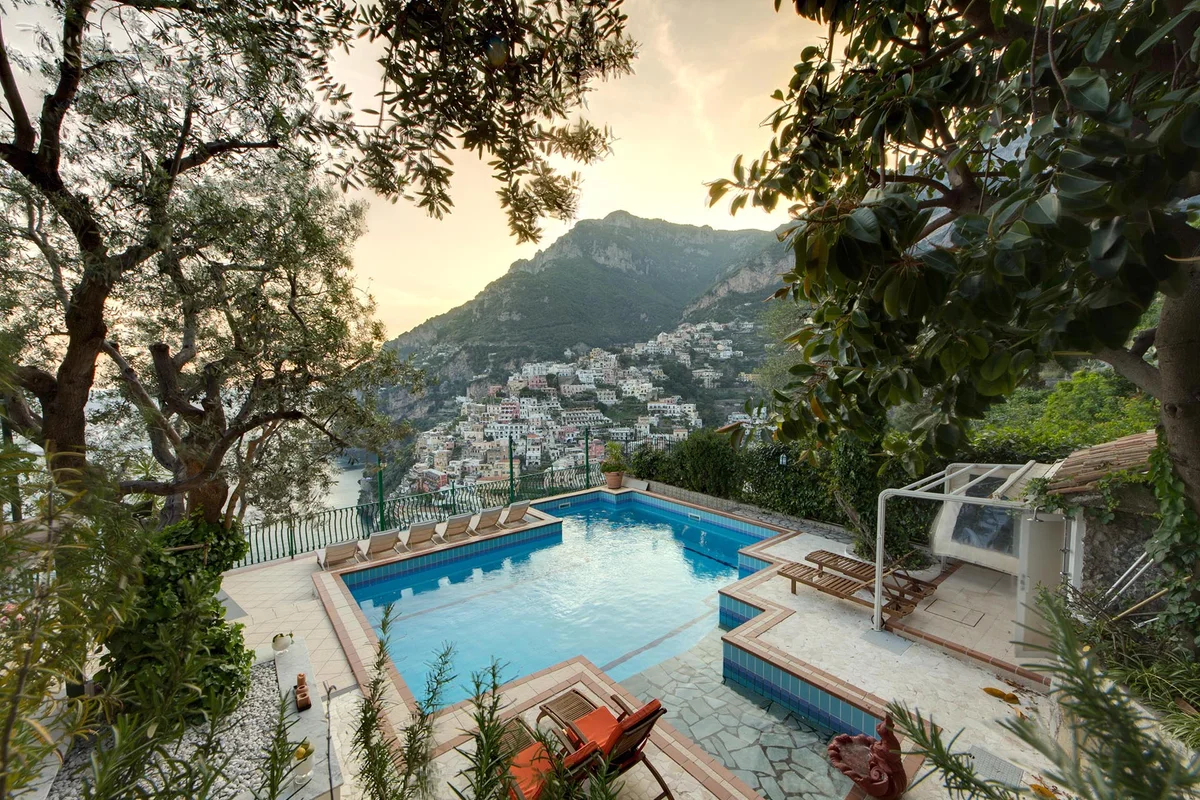
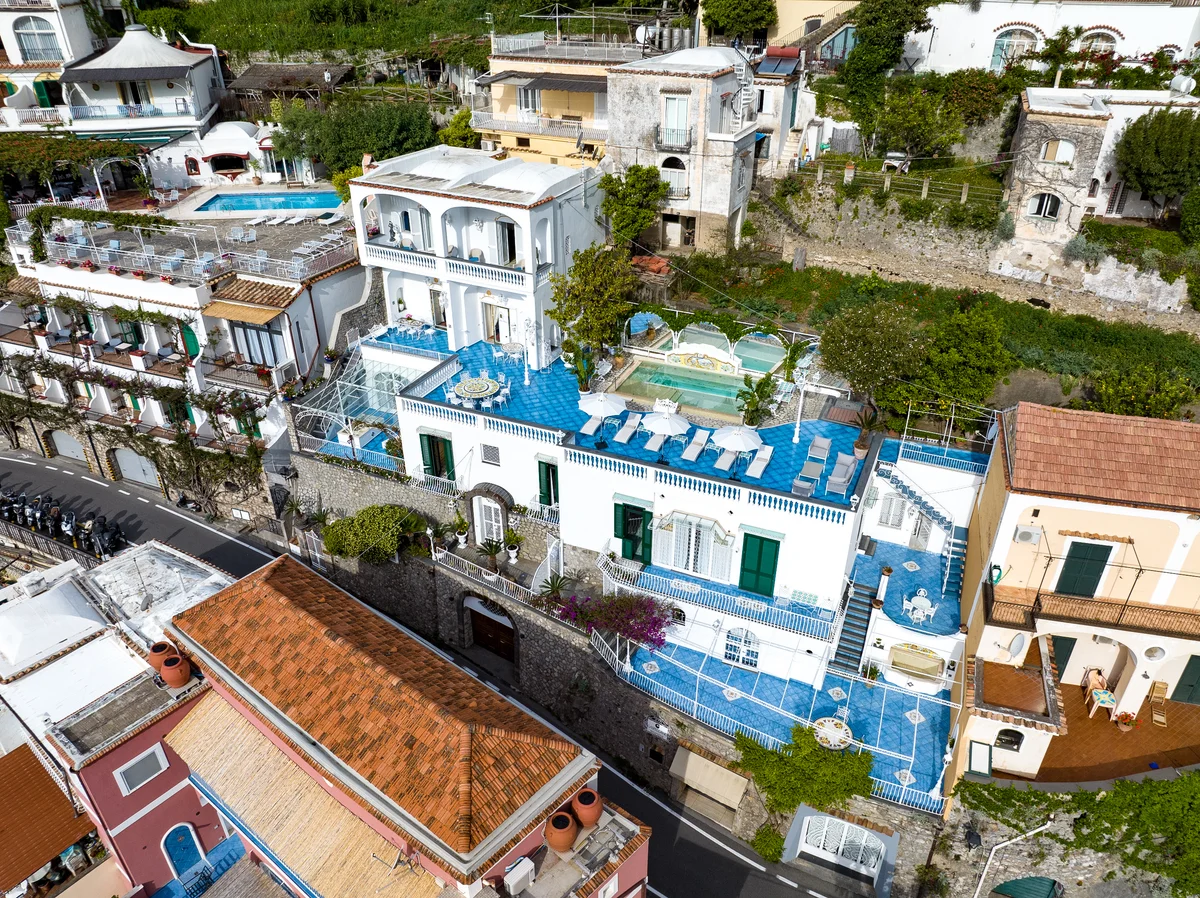
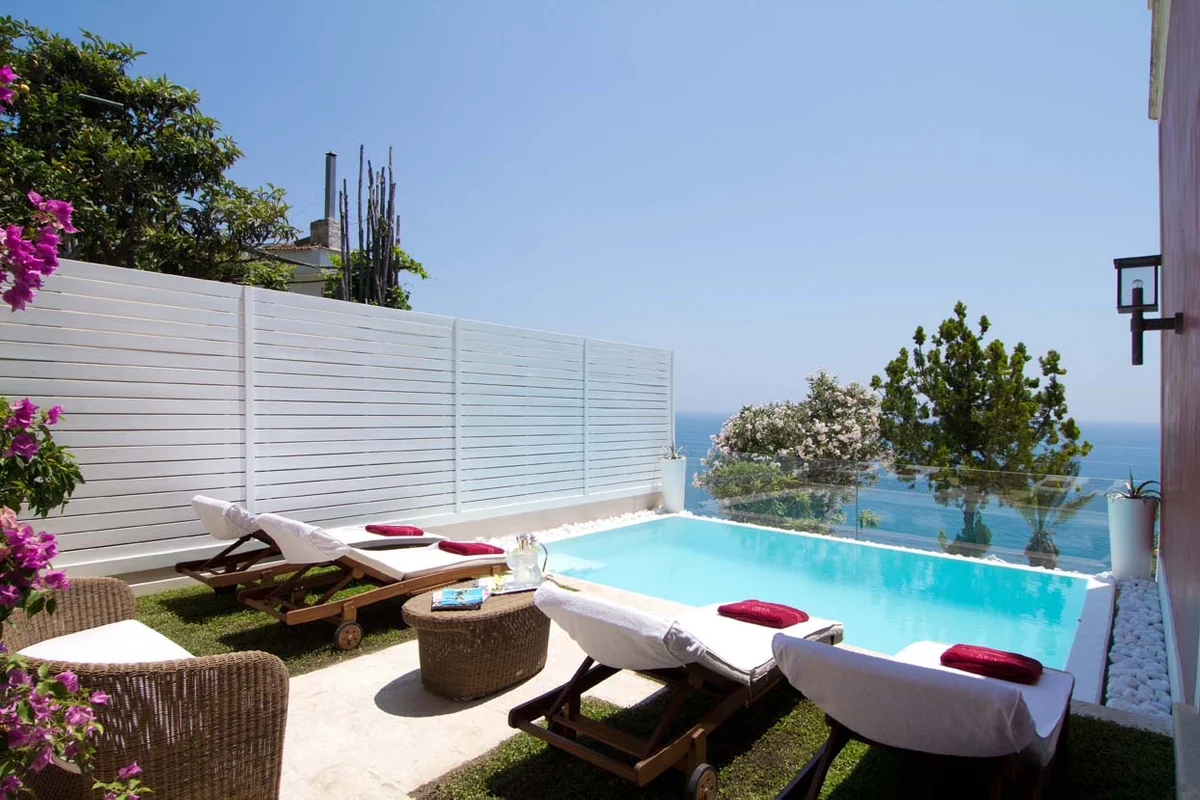
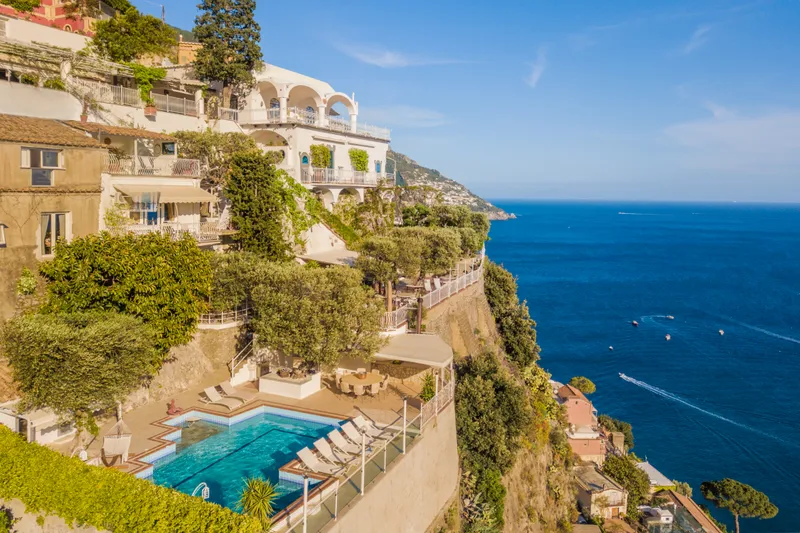
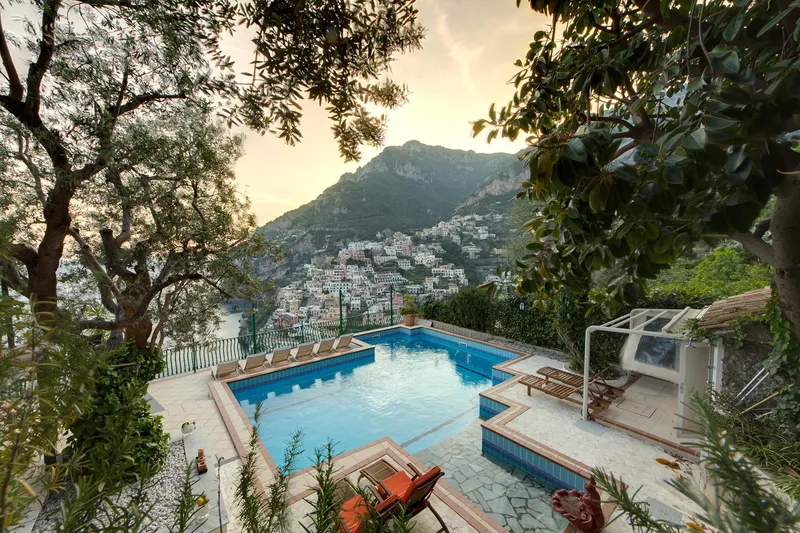
Mid June is when high season begins in earnest. Cabana rates jump, restaurant reservations move to two-week lead times, and the ferry lines start to lengthen. Positano's Spiaggia Grande fills by 10am; villas at higher rate ranges start booking six months out for the July and August peak. Weather is warm and dry; sea state is calm, boat charters are at their best, and the coast is at its most photogenic. July is the moment when Positano becomes the postcard version of itself at maximum density. Villa neighborhoods above the town remain quiet; a villa lets you dip into the crush on your terms and retreat to a private pool for the rest of the day.
The Ravello Festival runs through July with concerts in the Villa Rufolo gardens; this is a specific reason to base yourself in Ravello for at least part of the trip. Restaurants require lead time; boat charters need to be booked three to four weeks ahead for July weekends. The heat starts to build; villas with a plunge pool earn their rate every afternoon.
August, the Peak
August is the coast's peak month by volume and price. Every villa is booked; every restaurant needs a reservation weeks ahead; every ferry runs at capacity; the SS163 backs up in daylight; and beach cabanas at Nammos, Da Ferdinando, and the Positano beach clubs sell out. Air temperature is warm, water is at its warmest of the year, and boat charters are at their best on calm-sea days.
Then Ferragosto: the specific fortnight August 10 through August 25 is Italian internal holiday season, and it pours the Italian domestic peak into the international peak already in progress. Prices are at their year highs. Every crowd, price, and reservation attempt triples. Restaurants that normally accept a reservation two weeks out require a month. The SS163 backs up further. Ferries can run at capacity plus a wait. If the calendar allows any other window at all, take it. If Ferragosto is the only window that works, base yourself in Ravello or above Praiano rather than in Positano proper; the higher villages sit above the crush and stay livable.
September and Early October, the Second Sweet Spot
September is arguably the best month on the coast for many of our returning guests. The August crowd empties out over the first week; by the second week of September, cabana reservations open up, restaurants take walk-ins again, and the SS163 flows normally. Water is at its warmest (summer-heated, still warm from three months of Mediterranean sun), boat charters are at their best on calm days, and villa rates start easing from peak. Weather is warm and dry through most of the month; the afternoon convective storm risk is up compared to July, but a wet afternoon is still an exception.
By late September the coast is quieter, prices are meaningfully below peak, and the villa neighborhoods have their windows open in the cool evenings. Early October continues the trend: warm days, cool nights, the water still swimmable for most of the month, ferries still running, restaurants still open. This is when the seasoned Amalfi visitor returns for the seventh or eighth trip. By mid October the coast begins to wind down; some cabanas and boat operators close, some restaurants scale back, and by late October the transition into low-season is underway.