Best Time to Visit Cabo San Lucas

The honest month-by-month Cabo San Lucas calendar for luxury travelers. Whale season, hurricane peak, spring break, marlin tournaments, and the two shoulder windows to book.

The short answer, from an operator who runs villas in Pedregal and Puerto Los Cabos: November through April is the peak window in Cabo San Lucas and the highest-value time for most luxury travelers. December through mid April is whale season on top of that, which is one of the great reasons to come to this coast. Late May, early June, and late October to mid November are the two shoulder windows where the villa neighborhoods are at their quietest and the water is at its warmest. July and August are hot and quiet in a good way; September is hurricane peak and the one window we counsel travelers to plan around. This guide walks the year month by month and names what each brings. Casa Acantilado, Pedregal The Big Picture, in One Paragraph Los Cabos sits at the very tip of the Baja California peninsula where the Sea of Cortez meets the Pacific Ocean. The Sea of Cortez side (San Jose del Cabo, Palmilla, Cabo Real, Chileno Bay) has calmer water, family-safe swim beaches, and the sunrise. The Pacific side (Pedregal, the Marina, west coast) has stronger surf, dramatic sunsets, and the whale-watching viewpoints. Both sides share the same weather and the same peak windows. Every month of the year is above 20 degrees Celsius by day; the water is swimmable from May through November. What changes is the crowd, the price, the sea state, the marlin, and the whales. The Peak Window, November through April This is the window most luxury travelers book. Weather is dry, warm by day, cool at night, and the humidity is low. Late November opens whale season on December 15 and villas start filling for the Christmas and New Year weeks. Prices climb through December to a peak on the Christmas-to-New-Year fortnight, then hold high through mid January before easing slightly. February and March are what many long-time Cabo visitors call the best months on the coast: still dry, warmer water, whale season at its concentration peak, and Zicatela and Playa Divorcio spectacular for sunsets. Spring break peaks in March and adds a college-age crowd to the Marina strip, particularly the last three weeks of March into the first week of April. This affects the town center in Cabo San Lucas noticeably; villa neighborhoods (Pedregal, Puerto Los Cabos, Chileno Bay, Palmilla) do not notice it. If you are booking a family or honeymoon trip in March, base yourself away from the Marina strip and the trip functions completely normally. April is warmer, water is warming up, whale season closes April 15, and this is the last strong month before the transition. Late April into May is when we send guests who want the peak weather without the peak crowd. Whale Season in Detail The official whale-watching season is set each year by SEMARNAT, Mexico's environmental ministry, and in Cabo San Lucas it typically runs December 15 through April 15. Humpback whales are the most frequently seen, and they are the ones known for the surface behaviors people travel for: breaching, tail slapping, and fin wavi

The short answer, from an operator who runs villas in Pedregal and Puerto Los Cabos: November through April is the peak window in Cabo San Lucas and the highest-value time for most luxury travelers. December through mid April is whale season on top of that, which is one of the great reasons to come to this coast. Late May, early June, and late October to mid November are the two shoulder windows where the villa neighborhoods are at their quietest and the water is at its warmest. July and August are hot and quiet in a good way; September is hurricane peak and the one window we counsel travelers to plan around. This guide walks the year month by month and names what each brings.

The Big Picture, in One Paragraph

Los Cabos sits at the very tip of the Baja California peninsula where the Sea of Cortez meets the Pacific Ocean. The Sea of Cortez side (San Jose del Cabo, Palmilla, Cabo Real, Chileno Bay) has calmer water, family-safe swim beaches, and the sunrise. The Pacific side (Pedregal, the Marina, west coast) has stronger surf, dramatic sunsets, and the whale-watching viewpoints. Both sides share the same weather and the same peak windows. Every month of the year is above 20 degrees Celsius by day; the water is swimmable from May through November. What changes is the crowd, the price, the sea state, the marlin, and the whales.

The Peak Window, November through April

This is the window most luxury travelers book. Weather is dry, warm by day, cool at night, and the humidity is low. Late November opens whale season on December 15 and villas start filling for the Christmas and New Year weeks. Prices climb through December to a peak on the Christmas-to-New-Year fortnight, then hold high through mid January before easing slightly. February and March are what many long-time Cabo visitors call the best months on the coast: still dry, warmer water, whale season at its concentration peak, and Zicatela and Playa Divorcio spectacular for sunsets.

Spring break peaks in March and adds a college-age crowd to the Marina strip, particularly the last three weeks of March into the first week of April. This affects the town center in Cabo San Lucas noticeably; villa neighborhoods (Pedregal, Puerto Los Cabos, Chileno Bay, Palmilla) do not notice it. If you are booking a family or honeymoon trip in March, base yourself away from the Marina strip and the trip functions completely normally. April is warmer, water is warming up, whale season closes April 15, and this is the last strong month before the transition. Late April into May is when we send guests who want the peak weather without the peak crowd.

Whale Season in Detail

The official whale-watching season is set each year by SEMARNAT, Mexico's environmental ministry, and in Cabo San Lucas it typically runs December 15 through April 15. Humpback whales are the most frequently seen, and they are the ones known for the surface behaviors people travel for: breaching, tail slapping, and fin waving. Gray whales pass through the same months on their migration from Alaska to their Baja calving lagoons. The concentration is highest in January and February; sightings stay consistent from January through mid March. From late March into April, sightings begin to thin.

A private villa turns whale season from a two-hour boat excursion into a week around the ocean. From Pedregal cliffs and Chileno Bay terraces, spouts are visible without binoculars on strong days. Our concierge books the licensed morning tour on the calmest day of your stay, and the other days become terrace-plus-pool days with the whales in the background. We wrote a full occasion guide at /los-cabos-whale-season-villas/ that maps every villa to its whale-season fit.

The Christmas and New Year Peak

December 23 through January 5 is the busiest window of the year in Cabo. Villas book six to eight months ahead and prices are at their peak. If you are planning this window, start early: the largest estates like Lucia Noir, Paradiso Perduto, and Villa Serena go first, and by August the Christmas roster on the Sea of Cortez side is largely closed. The upside of the fortnight is that villa infrastructure is at maximum: full chef, full butler, event staff on call, and the town itself is at its most polished. The downside is price and the sheer volume of tourists on Medano Beach and the Marina.

For most luxury travelers, the sweet spot inside the peak window is either November 15 to December 20 (great weather, whale season opening, moderate crowds, lower prices) or January 5 to February 15 (great weather, whale-season peak, holiday crowds gone, prices back to normal peak). Both windows deliver the same weather and the same setting at 30 to 40 percent less than the Christmas fortnight.

The Shoulder Windows

Late April to early June is the first shoulder window and one of our favorite times on this coast. Air temperature is warm without being hot, water is warm enough to swim, the whales are gone but the marlin fishing starts to pick up, and villa prices are at their lowest per-night rates of the year outside deep summer. Wind is at a minimum. If you want the quietest version of Cabo at the highest weather quality, this is the window.

Late October to mid November is the second shoulder. Hurricane season formally closes November 30 but the risk is essentially gone by mid October in most years. The water is at its warmest of the year (summer-heated, still warm from three months of Pacific sun), the whales have not arrived yet, and prices are still summer-level low. Trees and hillsides are green from the summer rain. This is when we send divers, fishermen, and travelers who want the water quality without the peak-season crowd.

Summer, July through August

July and August in Cabo are hot. Daytime highs push 35 degrees Celsius, humidity is up, and the water is at its warmest of the year at 28 to 30 degrees. Villa neighborhoods stay pleasant because they sit above the
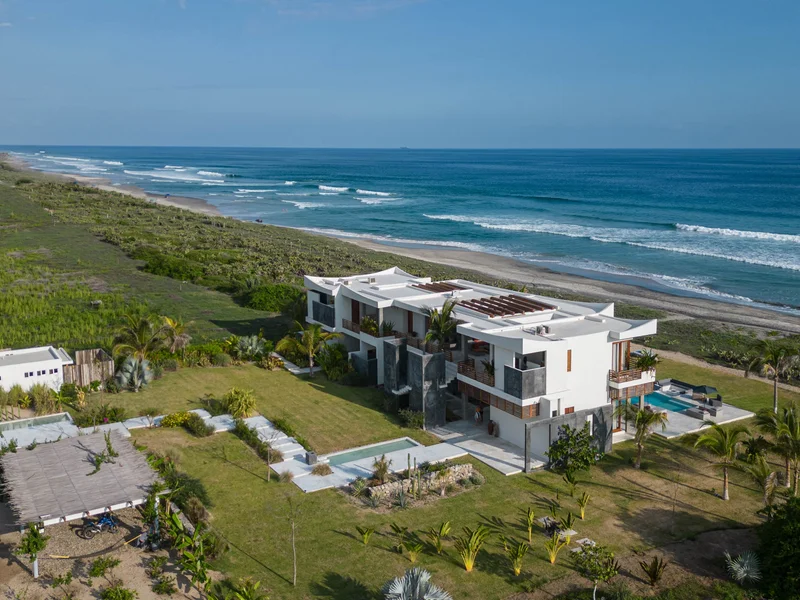
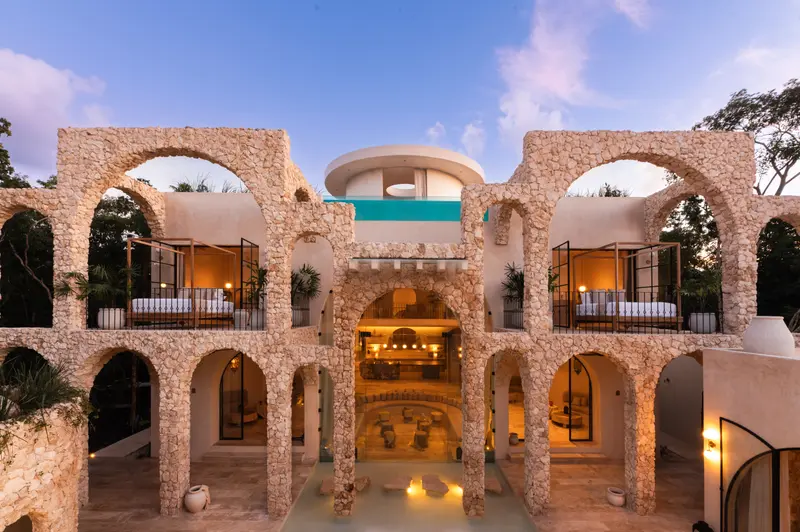
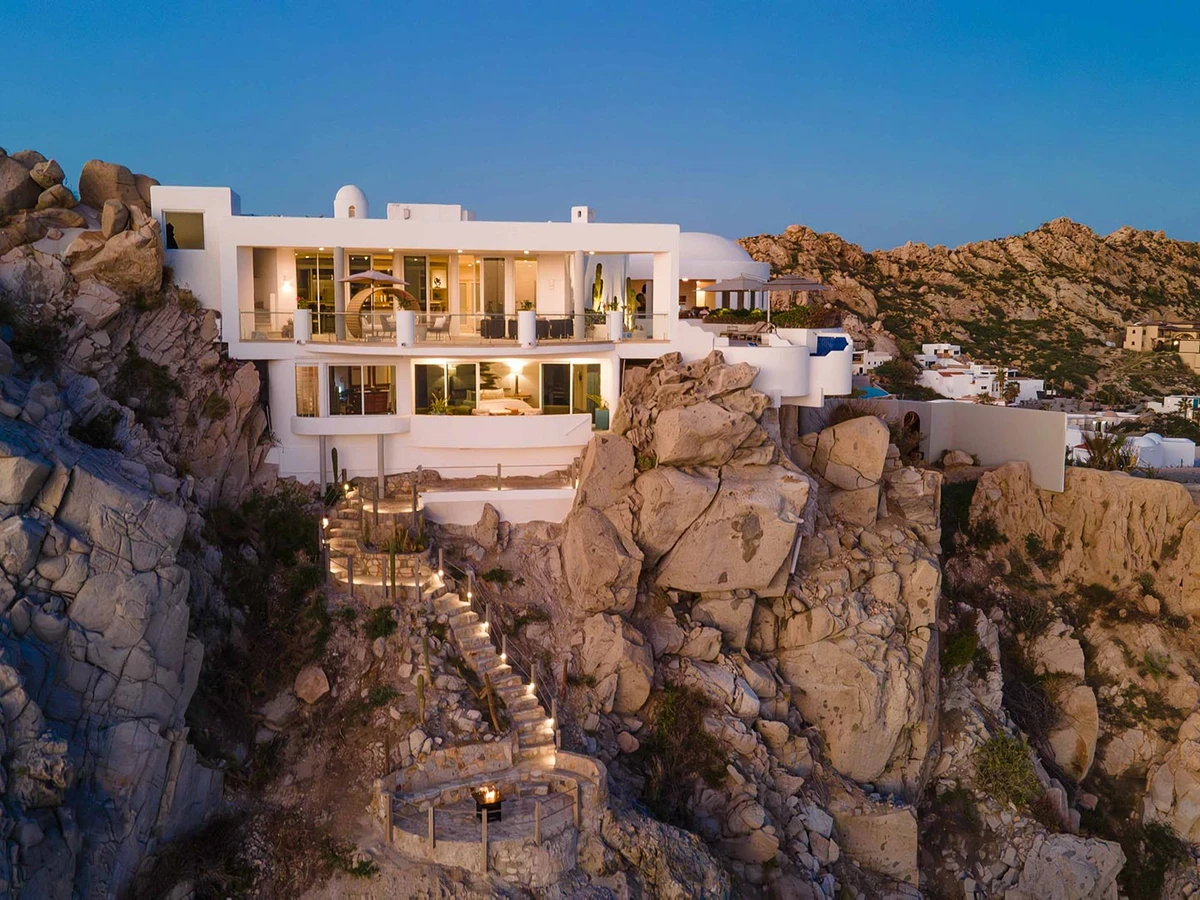
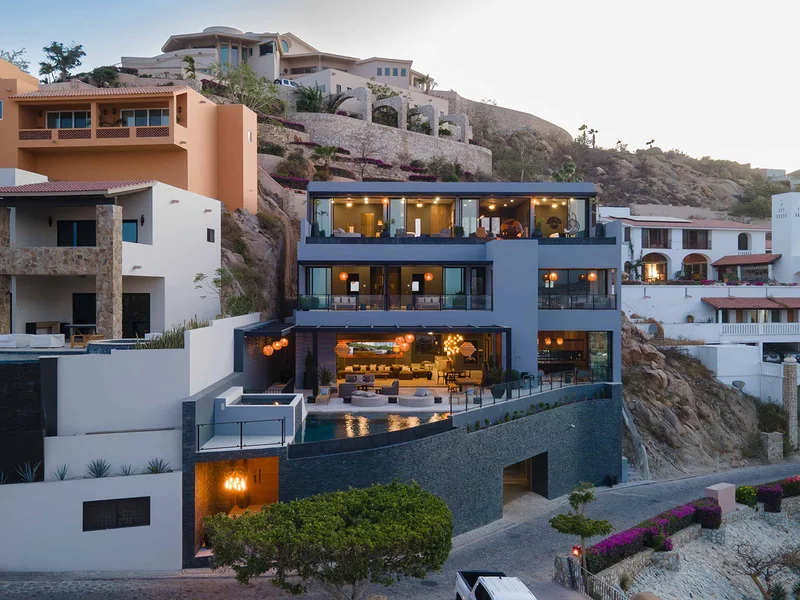
Clifftop private villa on the Pacific side of Pedregal, Cabo San Lucas, with pool overlooking the Sea of Cortez
Guides
CABO-SAN-LUCAS

Best Time to Visit Cabo San Lucas

Month by Month, from an Operator
Cameron Elder
·
September 22, 2026
·
11 min read
The honest Cabo month-by-month calendar for 2026. Whale season, spring break, hurricane peak, marlin tournaments, and the two shoulder windows where a private villa is at its best.
The short answer, from an operator who runs villas in Pedregal and Puerto Los Cabos: November through April is the peak window in Cabo San Lucas and the highest-value time for most luxury travelers. December through mid April is whale season on top of that, which is one of the great reasons to come to this coast. Late May, early June, and late October to mid November are the two shoulder windows where the villa neighborhoods are at their quietest and the water is at its warmest. July and August are hot and quiet in a good way; September is hurricane peak and the one window we counsel travelers to plan around. This guide walks the year month by month and names what each brings.
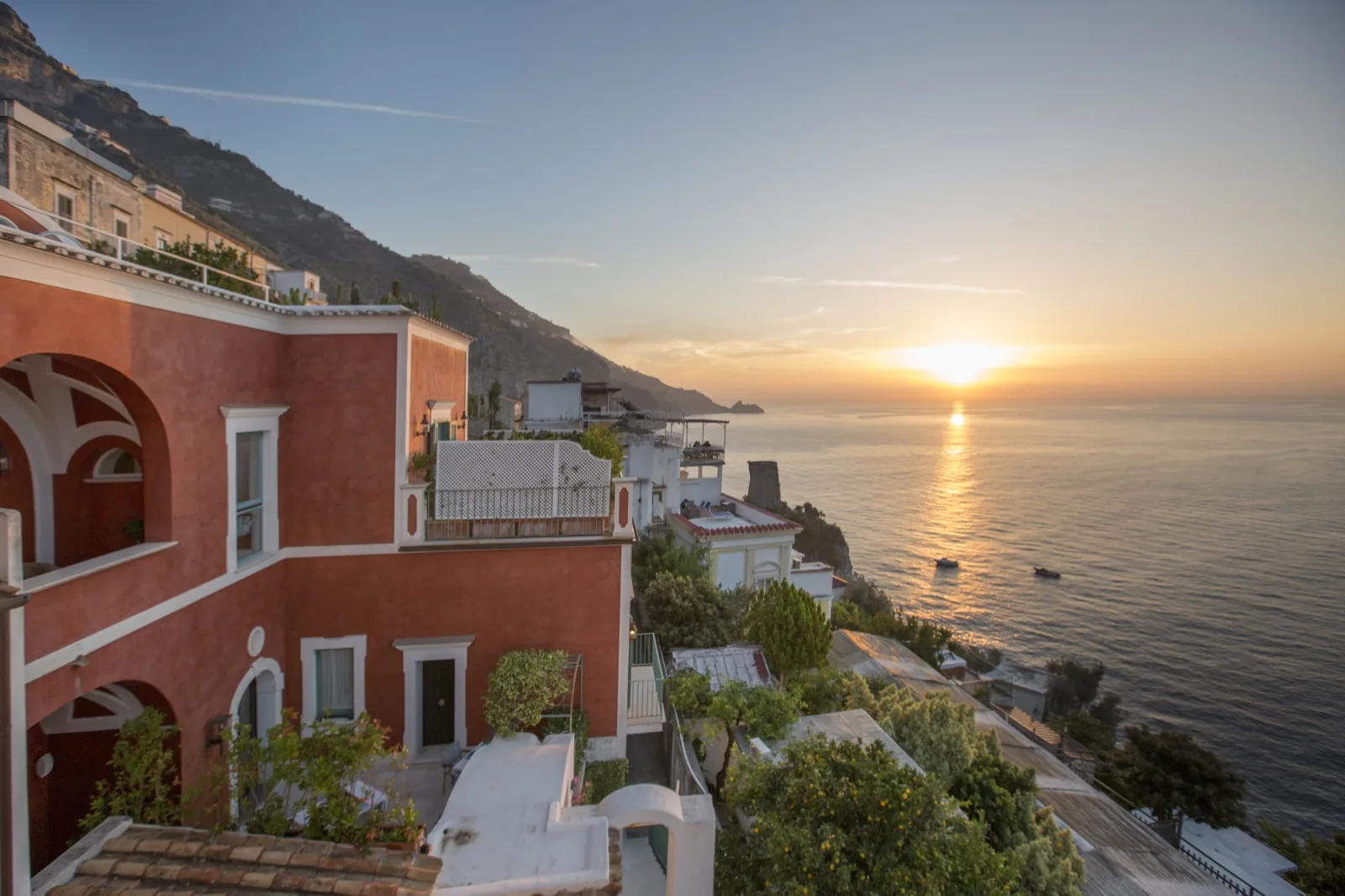
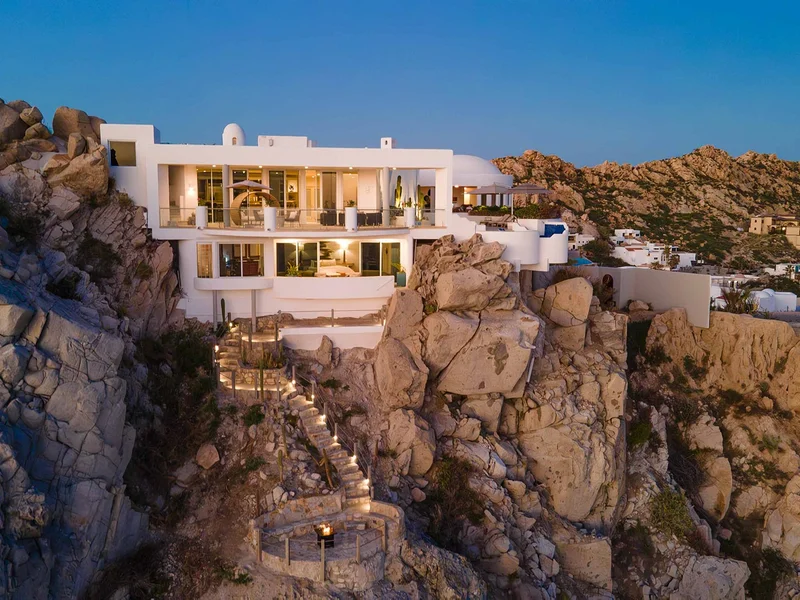
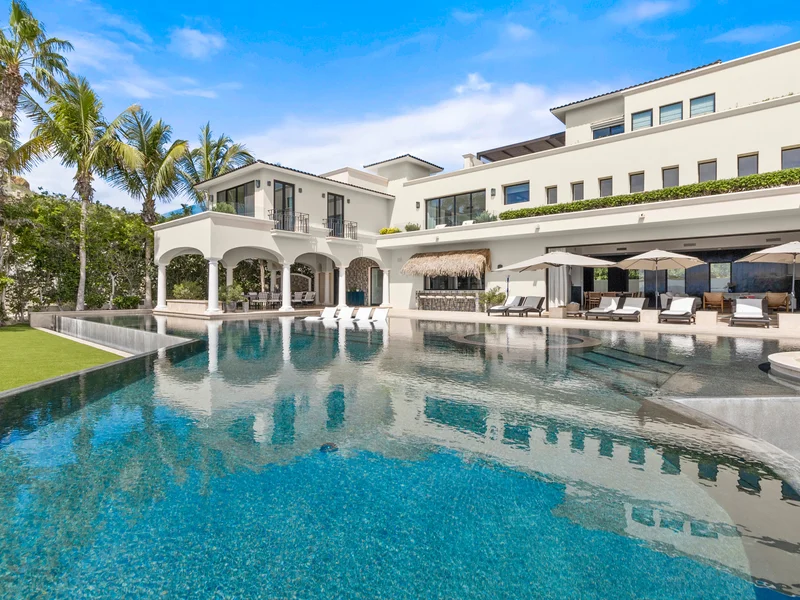
Casa Acantilado at sunset on the Pacific side of Pedregal, private villa with pool and ocean view
Casa Acantilado, Pedregal

The Big Picture, in One Paragraph

Los Cabos sits at the very tip of the Baja California peninsula where the Sea of Cortez meets the Pacific Ocean. The Sea of Cortez side (San Jose del Cabo, Palmilla, Cabo Real, Chileno Bay) has calmer water, family-safe swim beaches, and the sunrise. The Pacific side (Pedregal, the Marina, west coast) has stronger surf, dramatic sunsets, and the whale-watching viewpoints. Both sides share the same weather and the same peak windows. Every month of the year is above 20 degrees Celsius by day; the water is swimmable from May through November. What changes is the crowd, the price, the sea state, the marlin, and the whales.

The Peak Window, November through April

This is the window most luxury travelers book. Weather is dry, warm by day, cool at night, and the humidity is low. Late November opens whale season on December 15 and villas start filling for the Christmas and New Year weeks. Prices climb through December to a peak on the Christmas-to-New-Year fortnight, then hold high through mid January before easing slightly. February and March are what many long-time Cabo visitors call the best months on the coast: still dry, warmer water, whale season at its concentration peak, and Zicatela and Playa Divorcio spectacular for sunsets.
Spring break peaks in March and adds a college-age crowd to the Marina strip, particularly the last three weeks of March into the first week of April. This affects the town center in Cabo San Lucas noticeably; villa neighborhoods (Pedregal, Puerto Los Cabos, Chileno Bay, Palmilla) do not notice it. If you are booking a family or honeymoon trip in March, base yourself away from the Marina strip and the trip functions completely normally. April is warmer, water is warming up, whale season closes April 15, and this is the last strong month before the transition. Late April into May is when we send guests who want the peak weather without the peak crowd.

Whale Season in Detail

The official whale-watching season is set each year by SEMARNAT, Mexico's environmental ministry, and in Cabo San Lucas it typically runs December 15 through April 15. Humpback whales are the most frequently seen, and they are the ones known for the surface behaviors people travel for: breaching, tail slapping, and fin waving. Gray whales pass through the same months on their migration from Alaska to their Baja calving lagoons. The concentration is highest in January and February; sightings stay consistent from January through mid March. From late March into April, sightings begin to thin.
A private villa turns whale season from a two-hour boat excursion into a week around the ocean. From Pedregal cliffs and Chileno Bay terraces, spouts are visible without binoculars on strong days. Our concierge books the licensed morning tour on the calmest day of your stay, and the other days become terrace-plus-pool days with the whales in the background. We wrote a full occasion guide at /los-cabos-whale-season-villas/ that maps every villa to its whale-season fit.

The Christmas and New Year Peak

December 23 through January 5 is the busiest window of the year in Cabo. Villas book six to eight months ahead and prices are at their peak. If you are planning this window, start early: the largest estates like Lucia Noir, Paradiso Perduto, and Villa Serena go first, and by August the Christmas roster on the Sea of Cortez side is largely closed. The upside of the fortnight is that villa infrastructure is at maximum: full chef, full butler, event staff on call, and the town itself is at its most polished. The downside is price and the sheer volume of tourists on Medano Beach and the Marina.
For most luxury travelers, the sweet spot inside the peak window is either November 15 to December 20 (great weather, whale season opening, moderate crowds, lower prices) or January 5 to February 15 (great weather, whale-season peak, holiday crowds gone, prices back to normal peak). Both windows deliver the same weather and the same setting at 30 to 40 percent less than the Christmas fortnight.

The Shoulder Windows

Late April to early June is the first shoulder window and one of our favorite times on this coast. Air temperature is warm without being hot, water is warm enough to swim, the whales are gone but the marlin fishing starts to pick up, and villa prices are at their lowest per-night rates of the year outside deep summer. Wind is at a minimum. If you want the quietest version of Cabo at the highest weather quality, this is the window.
Late October to mid November is the second shoulder. Hurricane season formally closes November 30 but the risk is essentially gone by mid October in most years. The water is at its warmest of the year (summer-heated, still warm from three months of Pacific sun), the whales have not arrived yet, and prices are still summer-level low. Trees and hillsides are green from the summer rain. This is when we send divers, fishermen, and travelers who want the water quality without the peak-season crowd.

Summer, July through August

July and August in Cabo are hot. Daytime highs push 35 degrees Celsius, humidity is up, and the water is at its warmest of the year at 28 to 30 degrees. Villa neighborhoods stay pleasant because they sit above the town and catch the sea breeze; the town itself is warmer. Rates are at their lowest, tourist volume is at its lowest, and this is when many families with school-age kids come because the calendar dictates it. If you can tolerate the heat, summer Cabo is quiet, cheap by Cabo standards, and the water is spectacular. The Pacific side (Pedregal cliffs, Chileno Bay) is where a summer villa earns its rate: high enough to catch the breeze, pool ready at all times, chef doing lighter Baja meals.
The one summer wrinkle is chubasco storms, small convective thunderstorms that can hit an afternoon with heavy rain and lightning. They pass in an hour and are not dangerous, but they can spoil a specific afternoon on the beach and they signal the transition into full hurricane season. Water sports book around them; villa afternoons are unaffected.
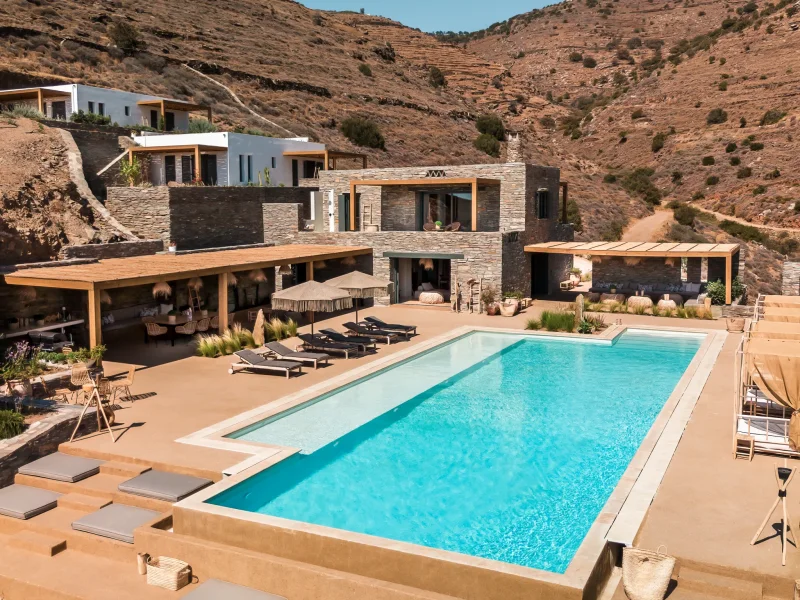
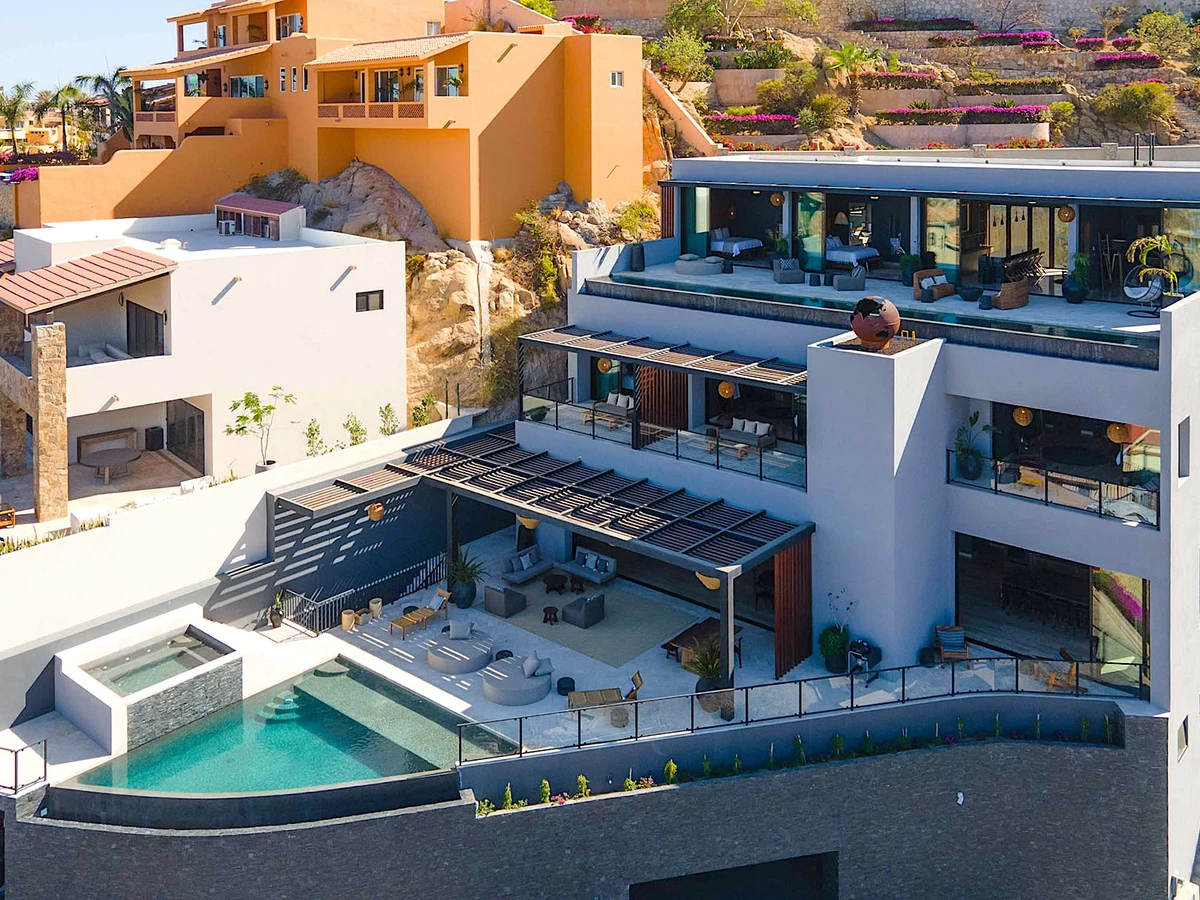
Lucia Noir eight-bedroom Pedregal estate with lit pool at dusk overlooking the marina
Lucia Noir, Pedregal
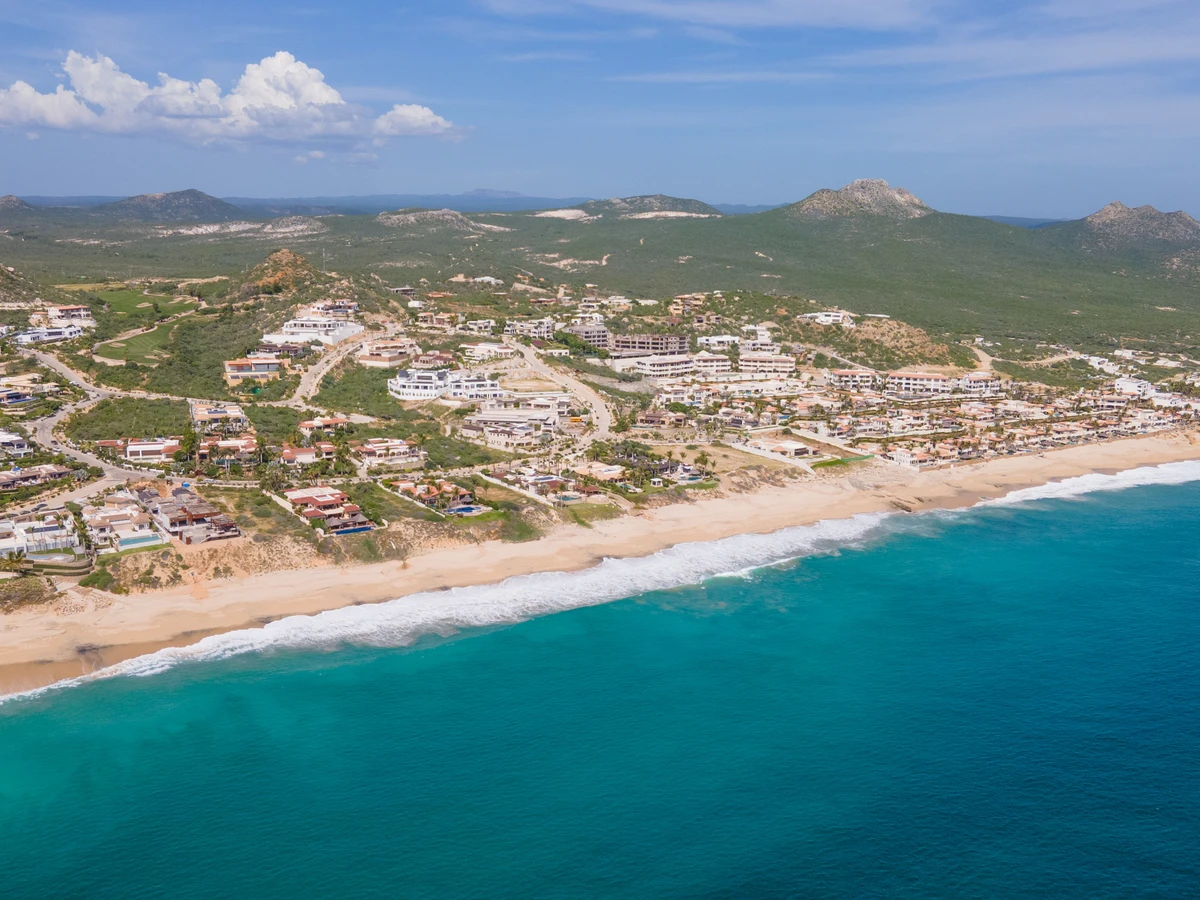
Paradiso Perduto beachfront estate at Puerto Los Cabos with pool deck and Sea of Cortez behind
Paradiso Perduto, Puerto Los Cabos

September, the Hurricane Peak

September is the one window we counsel Los Cabos travelers to plan around. It is peak Pacific hurricane season and specifically peak Baja hurricane season; the historical record includes multiple direct landfalls including the 2014 Odile that damaged much of the tourism infrastructure. Everything has been rebuilt since and evacuation systems are practiced, but the risk in a given September week is real. Storms typically forecast 72 hours in advance, airlines rebook flights, and the villa staff know exactly what to do; if a storm looks like landfall the property is secured and you shelter inside a hardened residence or move inland. Two windows of September that still work: the first ten days and the final week are lower risk than the middle three weeks, on average. If you travel in September, buffer a full day on either side of your flight and leave a rebook option in your itinerary.
Late September into early October begins the transition out. By October 15 the hurricane risk is essentially gone in most years, the water is warm, and the villa neighborhoods reopen after the quiet late-summer weeks. This is when the fall rate window starts.

Marlin, Golf, and the Events Calendar

The Cabo marlin fishing calendar runs year-round but two windows are the peak. Striped marlin peak January through April; blue and black marlin peak July through October. The Bisbee Black and Blue Marlin Tournament in October is one of the largest saltwater fishing tournaments in the world; if that draws you, book fishing charters six months out. The Los Cabos Open of Surf runs in June on the Pacific side. Golf is year-round but coolest and best in the November through April window; the Diamante, Cabo del Sol, Palmilla, Chileno Bay, and Quivira courses are all in that window at their best.
The Cabo San Lucas Charter Cup fishing tournament in July, the Los Cabos Film Festival in November, and the Cabo Wabo anniversary in October are the other calendar fixtures we hear about most from returning guests. A concierge will build the trip around the tournaments or festivals you care about.

The Villa View on Season Choice

A private villa in Cabo changes the season math because it insulates you from most of the crowd and price effects that a hotel guest feels. Pedregal, Puerto Los Cabos, Palmilla, and Chileno Bay villas stay quiet through spring break, hurricane season, and Ferragosto-equivalent Mexican holiday weeks. The Cabo season choice for a villa guest becomes more about weather quality and less about avoiding crowds. That is why we send families to July for the water, honeymoon couples to February for the whales, and multi-generational groups to Christmas for the full house, and we send everyone away from mid September. Our full whale-season occasion guide, our cabo-wellness collection, and our Cabo San Lucas destination pillar each go deeper on the specific fit; the concierge who books your dates knows how to match the calendar to the group.

What to Book Ahead For

Christmas to New Year fortnight: six to eight months of lead time on any villa larger than eight guests
February and March whale season: three to five months on the top villas; two months on the shoulder set
Spring break weeks (mid March into first week of April): book villa neighborhoods away from the Marina
Whale-watching tour: our concierge books the calm morning of your stay; do not walk-up book
Bisbee marlin tournament (October): fishing charters go six months out
Los Cabos Film Festival (November): the town fills; book the villa first
Golf tee times on Diamante, Chileno Bay, and Palmilla: two to four weeks ahead in season
Restaurant reservations at Flora Farms, Manta, and El Farallon: two to three weeks in season

The Honest Bottom Line

For most luxury travelers, the highest-value windows in Cabo are February and March, or late April to early June, or late October to mid November. February and March pair peak weather with whale season. Late April to early June gives you the quietest villa neighborhoods at the best weather. Late October to mid November gives you the warmest water of the year at the lowest crowd. If your calendar picks the Christmas fortnight, plan for it eight months out. If your calendar picks September, plan the buffer. Beyond that, the destination is safe, warm, and set-up for a villa week nearly every week of the year.
Key Takeaways
November to April is the peak dry season and the highest-value window for most luxury travelers
December 15 to April 15 is whale season, with January and February the peak sighting months
September is the peak hurricane risk window; if you travel then, buffer a day around your flight
Late May, early June, and late October to mid November are the value shoulder windows
March adds spring break to the town center but villa neighborhoods stay quiet

Frequently Asked Questions

What is the best month to visit Cabo San Lucas?
February and March are the best months for most luxury travelers: dry warm weather, whale-watching season at its peak, water warming up, holiday crowds gone, and villa prices back to standard-peak levels rather than Christmas-peak levels. Late April to early June is the shoulder window with quieter villa neighborhoods and the last of the good weather before summer heat.
When is whale-watching season in Cabo?
The official season set by SEMARNAT typically runs December 15 to April 15 in Cabo San Lucas. January and February are the highest-concentration months; sightings stay consistent from January through mid March. Humpback whales are most frequently seen, gray whales pass through the same months, and mother-and-calf pairs are common in the peak weeks.
When should we avoid Cabo?
The middle three weeks of September are the peak hurricane risk window. Every year at least one Pacific hurricane threatens the Baja peninsula in that window. Everything has been rebuilt since Odile in 2014 and evacuation systems are practiced, but the risk is real. Travel then only with a buffer day around your flight and a rebook option.
Is Cabo hot in summer?
Yes. July and August daytime highs push 35 degrees Celsius and humidity climbs. The water is at its warmest of the year at 28 to 30 degrees. Villa neighborhoods above the town catch the sea breeze and stay pleasant. Chubasco convective storms can hit an afternoon with heavy rain and lightning; they pass in an hour.
When is the cheapest time to book a Cabo villa?
Late April to early June and late October to mid November are the value shoulder windows. Summer (July and August) is also below peak-season rates but hotter. Christmas to New Year is the highest week; February and March are peak in a different way (whale season demand).
Does spring break affect a villa trip?
Only if you base yourself near the Cabo San Lucas Marina strip. Villa neighborhoods in Pedregal, Puerto Los Cabos, Palmilla, and Chileno Bay stay quiet through spring break. The Marina bars and Medano Beach are where the college-age crowd concentrates.
When is the best marlin fishing?
Striped marlin peak January through April. Blue and black marlin peak July through October. The Bisbee Black and Blue Marlin Tournament in October is the largest event; book fishing charters six months out for that week.
What is the weather like on the day of my trip?
Above 20 degrees Celsius every month of the year by day, above 25 degrees eight months of the year. Nights cool by five to ten degrees in the peak window (December through March) and stay warm the rest of the year. Rainfall is concentrated in July through September; the rest of the year is essentially dry.
Follow the journey @erentalsexclusive + @aurelseyez
Villa tours, destination guides, and behind-the-scenes content from the team on the ground
Cameron Elder
Founder, ERentals Exclusive
mexico
cabo-san-lucas
los-cabos
best-time-to-visit
travel-tips
See it in motion
From the feed
Real stays, real light. Press play or watch the full reel on Instagram.
Stay in the loop
© 2026 ERentals Exclusive