Cabo vs Puerto Vallarta
The honest Cabo San Lucas versus Puerto Vallarta comparison for luxury travelers. Desert versus jungle, whale seasons, villa versus yacht, and which fits which trip.
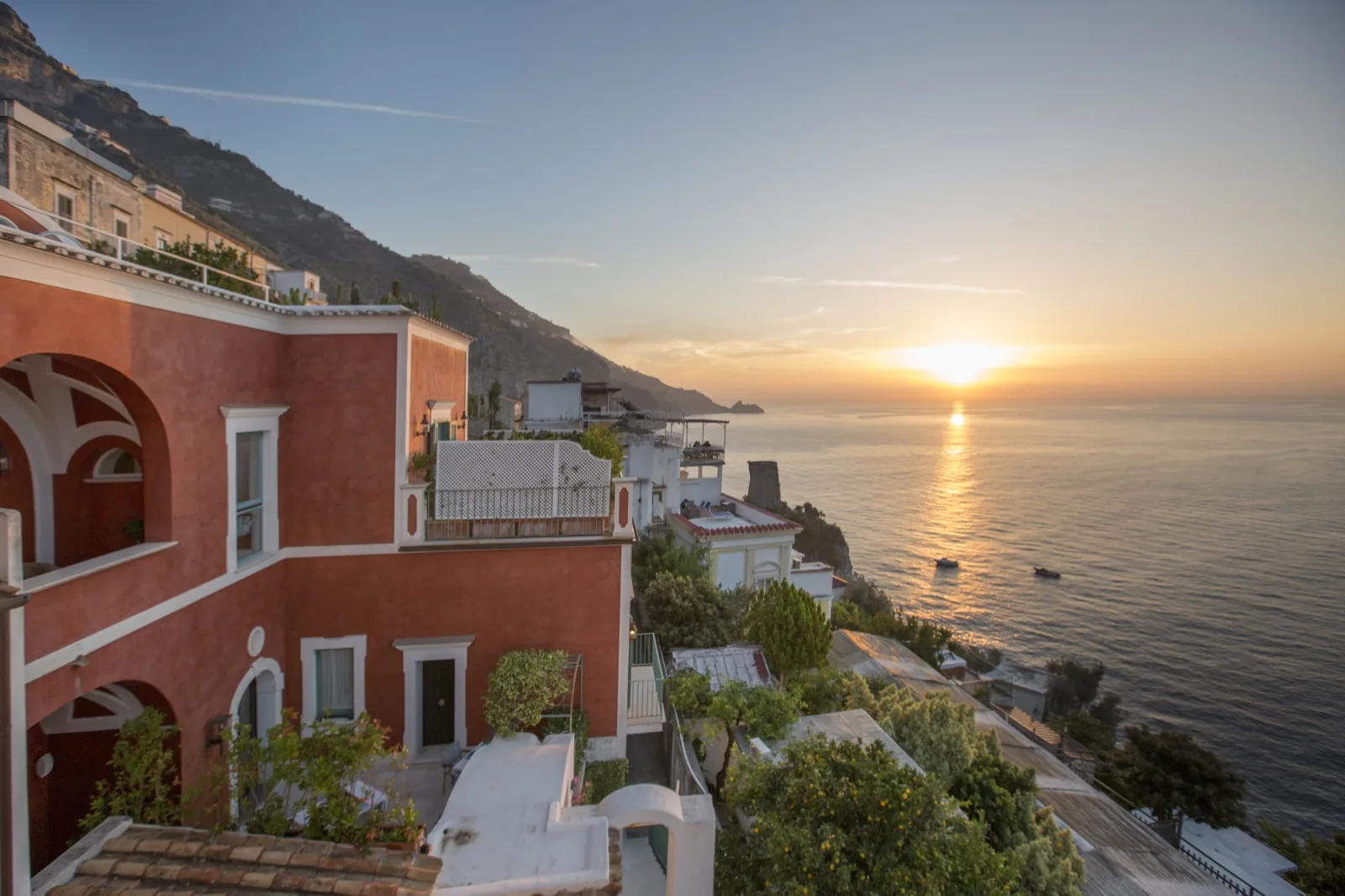
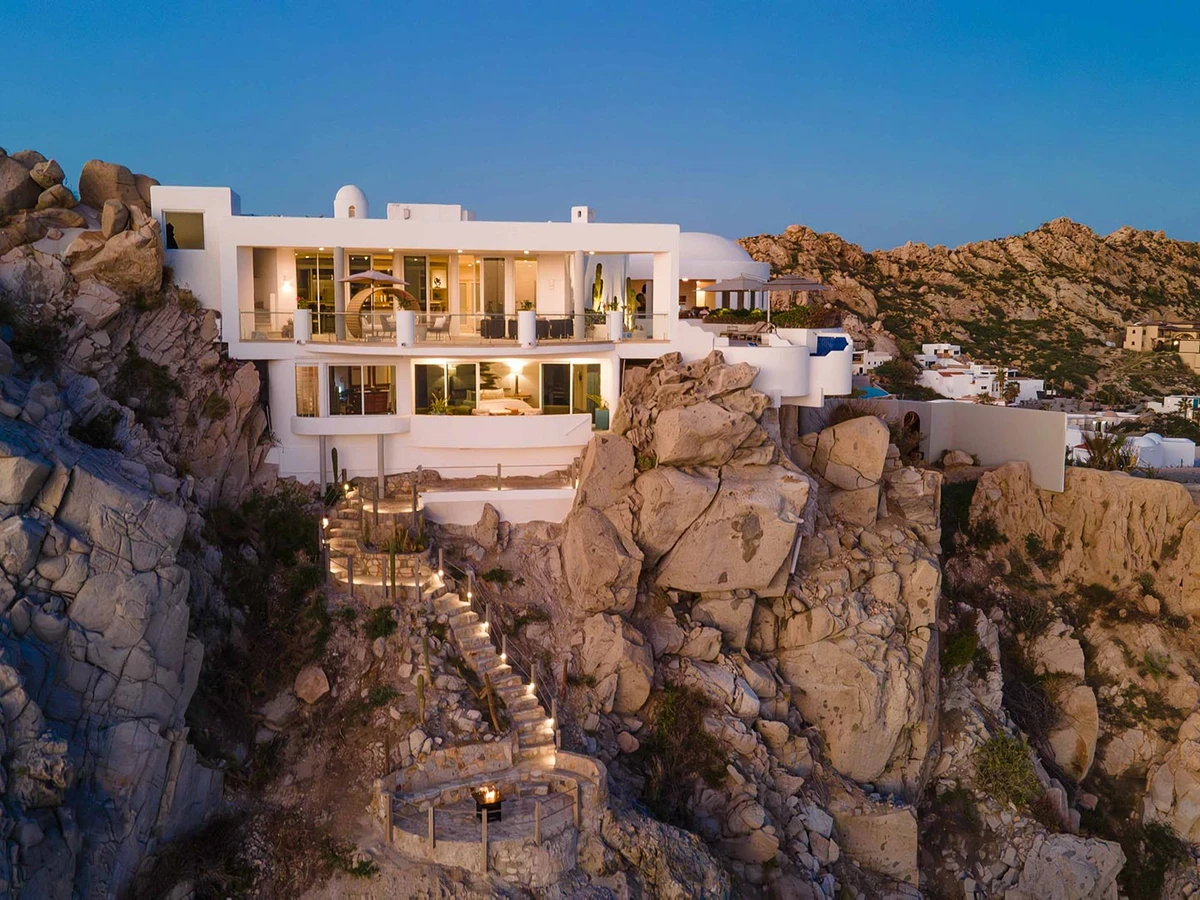
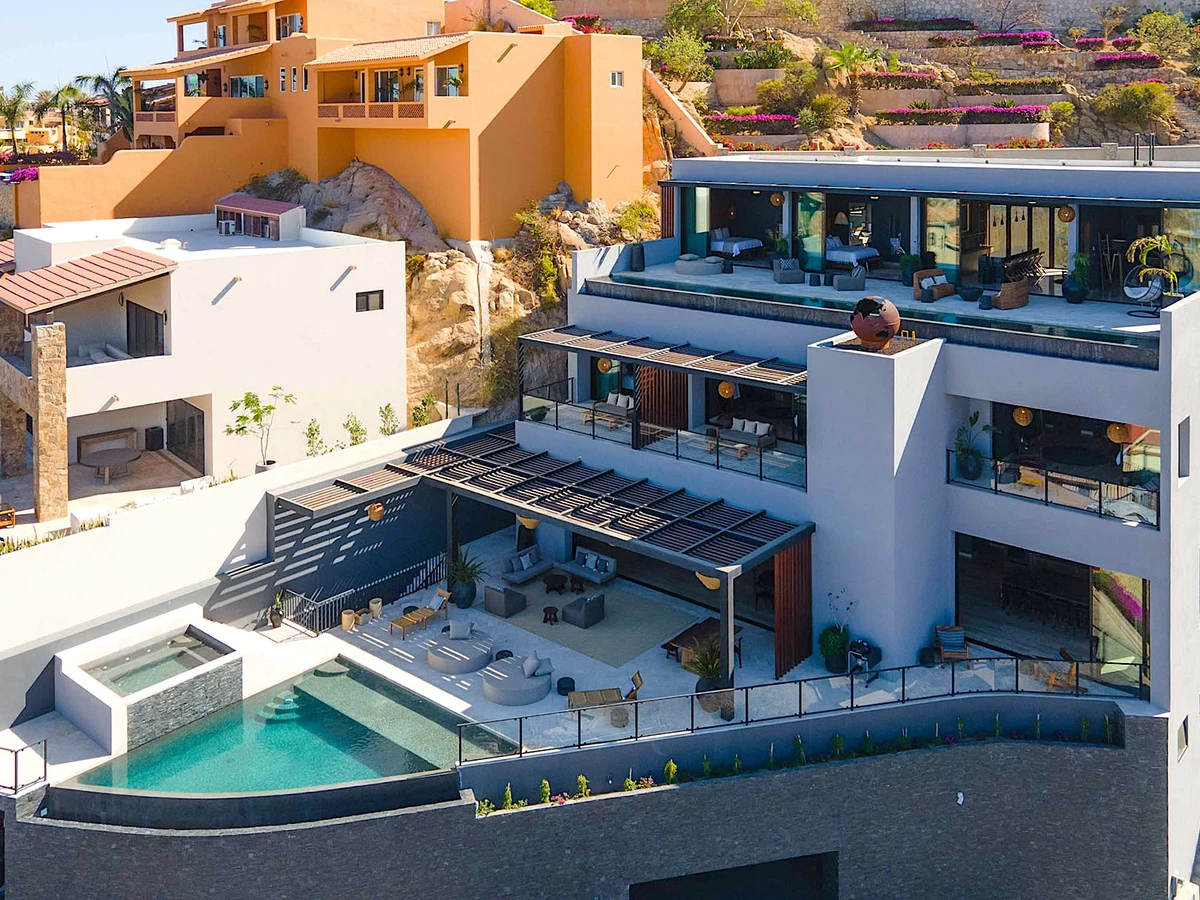
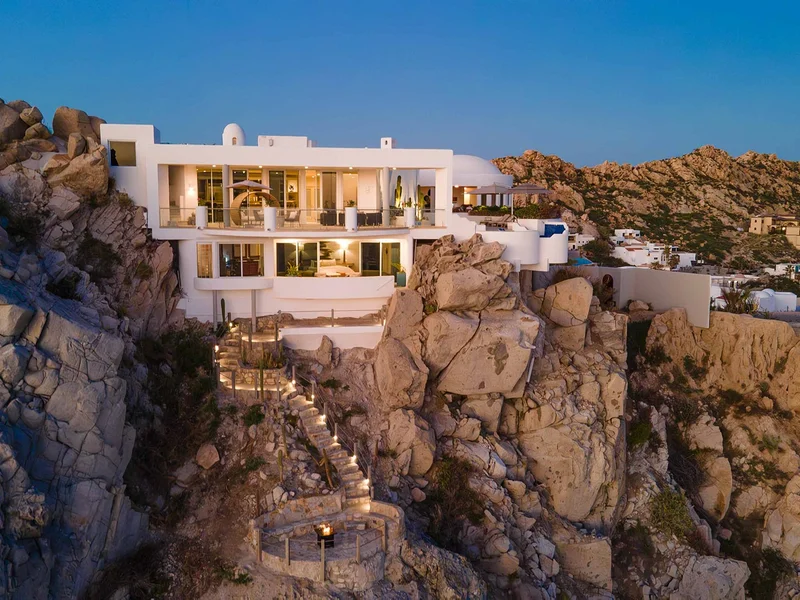
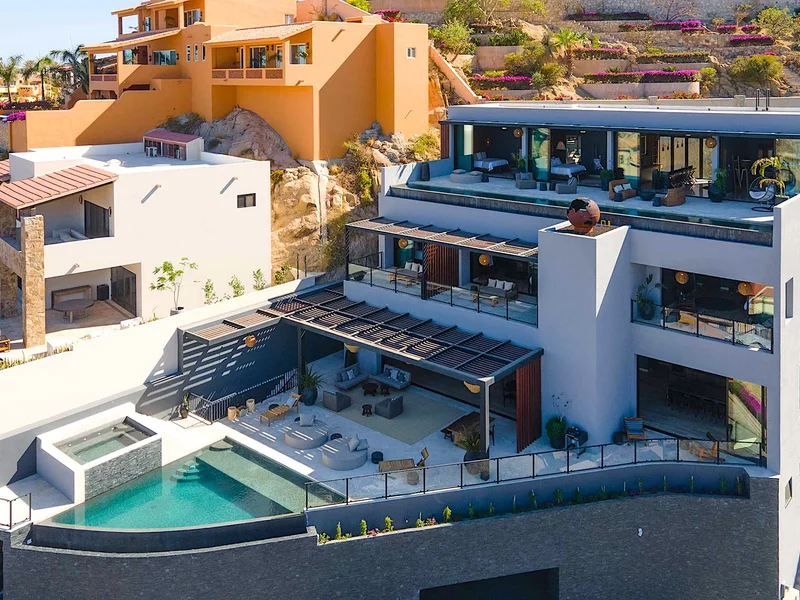
The short answer, from an operator who books both coasts: Cabo San Lucas is the better fit for a private villa trip and Puerto Vallarta is the better fit for a town-and-water trip, and the landscapes are almost opposites. Cabo is desert cliffs and cactus running into two seas at the tip of the Baja peninsula, with a gated villa market in Pedregal and Puerto Los Cabos and a resort corridor that has been built over thirty years. Puerto Vallarta is jungle running down the Sierra Madre into the sheltered Banderas Bay, with a colonial old town, a Malecon boardwalk, and the most established LGBTQ+ destination in Latin America. We carry villas and yachts in Cabo and yachts only in Puerto Vallarta, which is a real reflection of where each market sits, and this guide says so plainly. Casa Acantilado, Pedregal, Cabo San Lucas The Landscape Difference Cabo sits where the Baja California peninsula ends and the Pacific Ocean meets the Sea of Cortez. The landscape is Sonoran desert: cardon cactus, granite outcrops, and cliffs running straight into the water. There is almost no rain and almost no vegetation outside irrigation. The colour palette is ochre, granite grey, and two shades of blue. El Arco, the rock arch at Land's End, is the postcard. It is dramatic, stark, and photographs beautifully, and it is not lush. Puerto Vallarta sits on Banderas Bay, one of the largest bays in the Pacific, with the Sierra Madre Occidental running down to the shoreline. The landscape is tropical dry forest turning genuinely jungle in the hills behind the town and in the southern coast toward Yelapa and Boca de Tomatlan. It rains hard from June to October and the hills are green. The colour palette is green, terracotta, and one shade of blue. It is soft where Cabo is hard. The Town Character Cabo San Lucas as a town is young, built around the sportfishing marina and the tourism economy, with a Marina strip of bars and restaurants that fills with cruise passengers by day and a party crowd by night. San Jose del Cabo, twenty miles east, is the older half with a colonial plaza, a Thursday art walk, and a slower pace. Between them runs the Corridor, twenty miles of gated resort and golf development. It is a well-built resort region rather than a Mexican town that happens to have tourists. Puerto Vallarta has an actual old town. The Zona Romantica south of the Rio Cuale has cobbled streets, the Church of Our Lady of Guadalupe with its crown-topped tower, a real market, and a residential population that is not there for tourism. The Malecon boardwalk runs a mile along the water with public sculpture and street performers. The Zona Romantica is also the heart of the most established LGBTQ+ destination in Latin America, with a scene that has been building since the 1970s and is entirely mainstream in the town today. For travellers who want a place with its own life rather than a resort corridor, Puerto Vallarta wins clearly. The Accommodation Reality Cabo has a mature private villa m
The short answer, from an operator who books both coasts: Cabo San Lucas is the better fit for a private villa trip and Puerto Vallarta is the better fit for a town-and-water trip, and the landscapes are almost opposites. Cabo is desert cliffs and cactus running into two seas at the tip of the Baja peninsula, with a gated villa market in Pedregal and Puerto Los Cabos and a resort corridor that has been built over thirty years. Puerto Vallarta is jungle running down the Sierra Madre into the sheltered Banderas Bay, with a colonial old town, a Malecon boardwalk, and the most established LGBTQ+ destination in Latin America. We carry villas and yachts in Cabo and yachts only in Puerto Vallarta, which is a real reflection of where each market sits, and this guide says so plainly.
The Landscape Difference
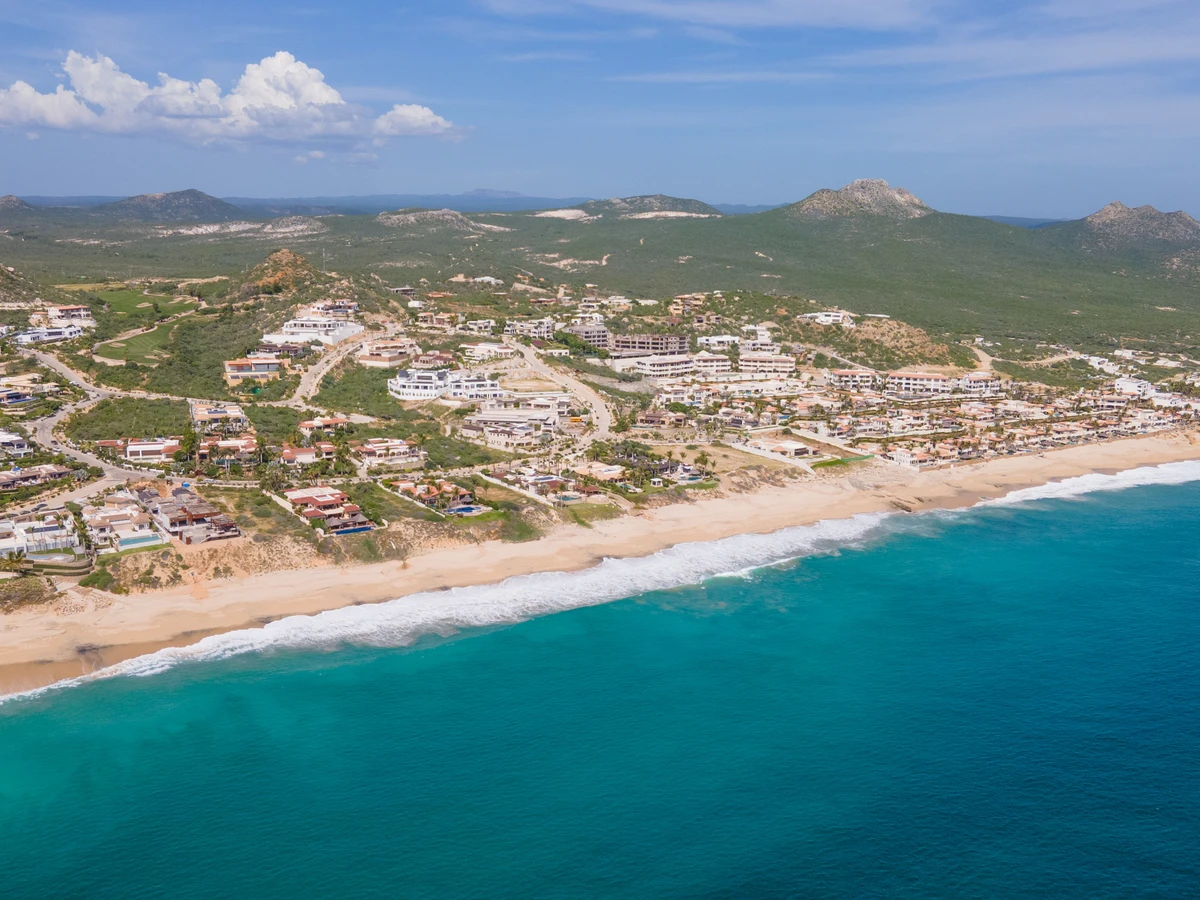
Cabo sits where the Baja California peninsula ends and the Pacific Ocean meets the Sea of Cortez. The landscape is Sonoran desert: cardon cactus, granite outcrops, and cliffs running straight into the water. There is almost no rain and almost no vegetation outside irrigation. The colour palette is ochre, granite grey, and two shades of blue. El Arco, the rock arch at Land's End, is the postcard. It is dramatic, stark, and photographs beautifully, and it is not lush.
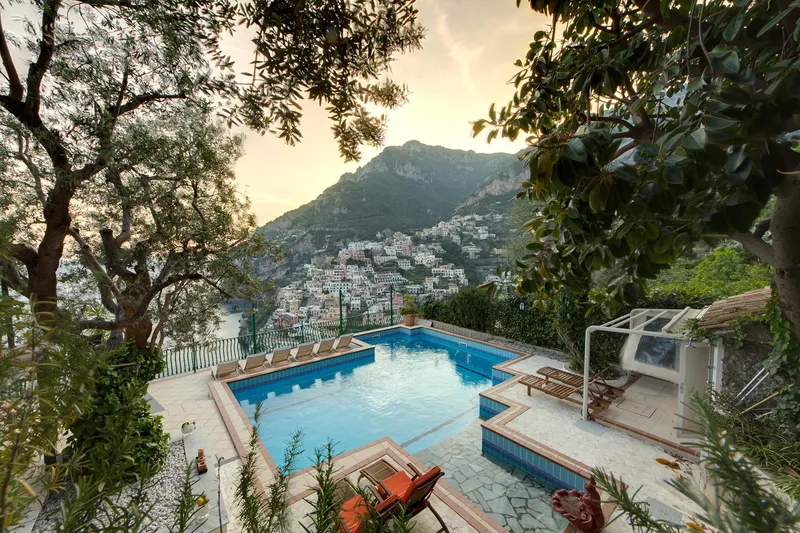
Puerto Vallarta sits on Banderas Bay, one of the largest bays in the Pacific, with the Sierra Madre Occidental running down to the shoreline. The landscape is tropical dry forest turning genuinely jungle in the hills behind the town and in the southern coast toward Yelapa and Boca de Tomatlan. It rains hard from June to October and the hills are green. The colour palette is green, terracotta, and one shade of blue. It is soft where Cabo is hard.
The Town Character
Cabo San Lucas as a town is young, built around the sportfishing marina and the tourism economy, with a Marina strip of bars and restaurants that fills with cruise passengers by day and a party crowd by night. San Jose del Cabo, twenty miles east, is the older half with a colonial plaza, a Thursday art walk, and a slower pace. Between them runs the Corridor, twenty miles of gated resort and golf development. It is a well-built resort region rather than a Mexican town that happens to have tourists.
Puerto Vallarta has an actual old town. The Zona Romantica south of the Rio Cuale has cobbled streets, the Church of Our Lady of Guadalupe with its crown-topped tower, a real market, and a residential population that is not there for tourism. The Malecon boardwalk runs a mile along the water with public sculpture and street performers. The Zona Romantica is also the heart of the most established LGBTQ+ destination in Latin America, with a scene that has been building since the 1970s and is entirely mainstream in the town today. For travellers who want a place with its own life rather than a resort corridor, Puerto Vallarta wins clearly.
The Accommodation Reality
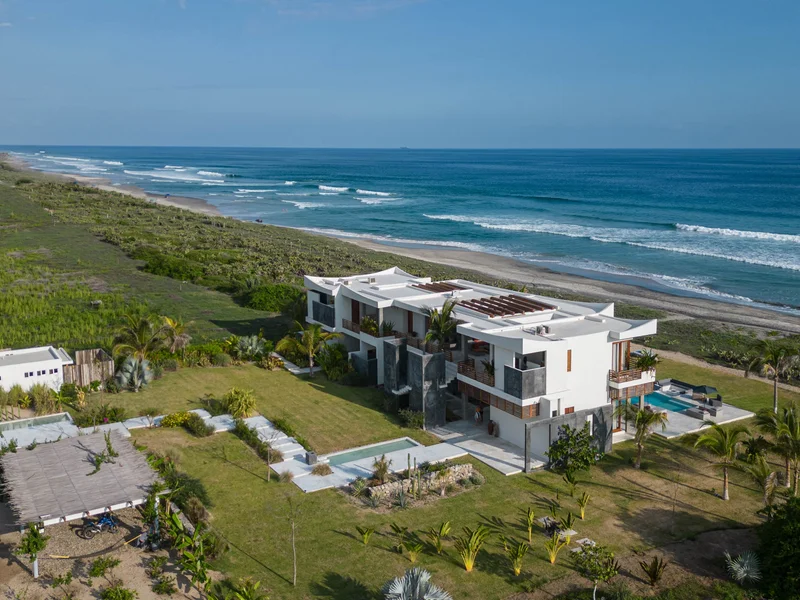
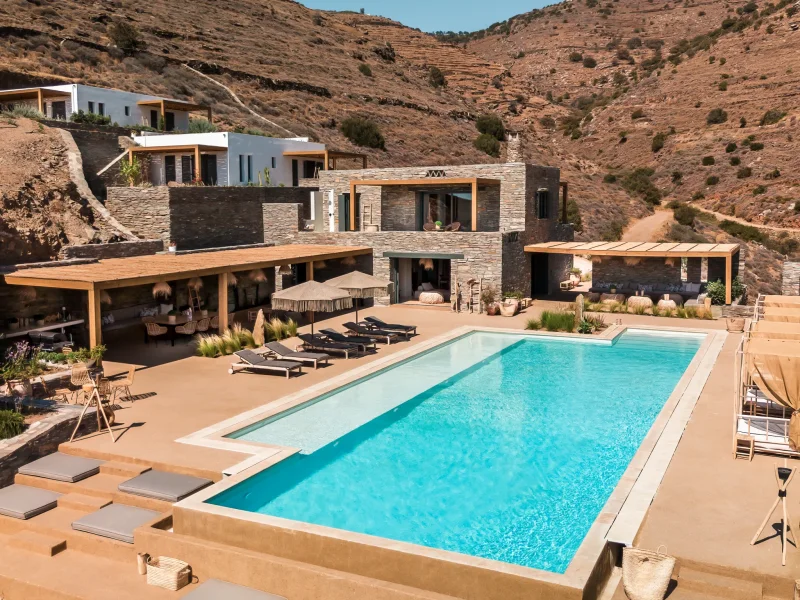
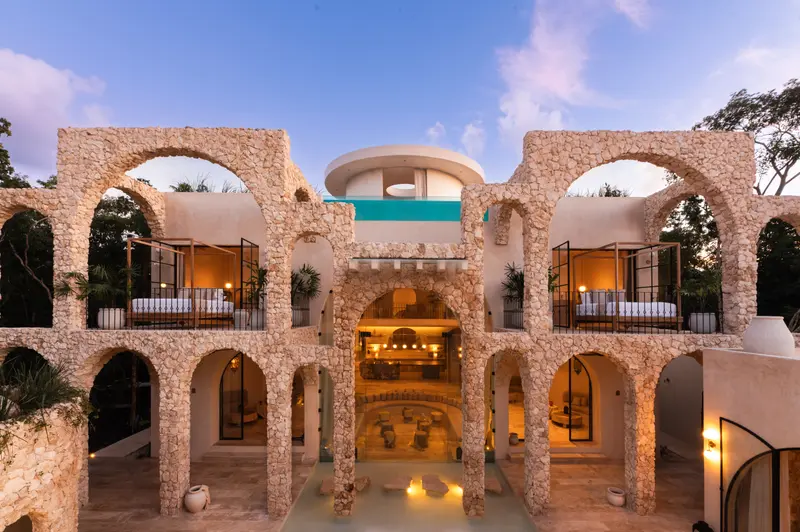
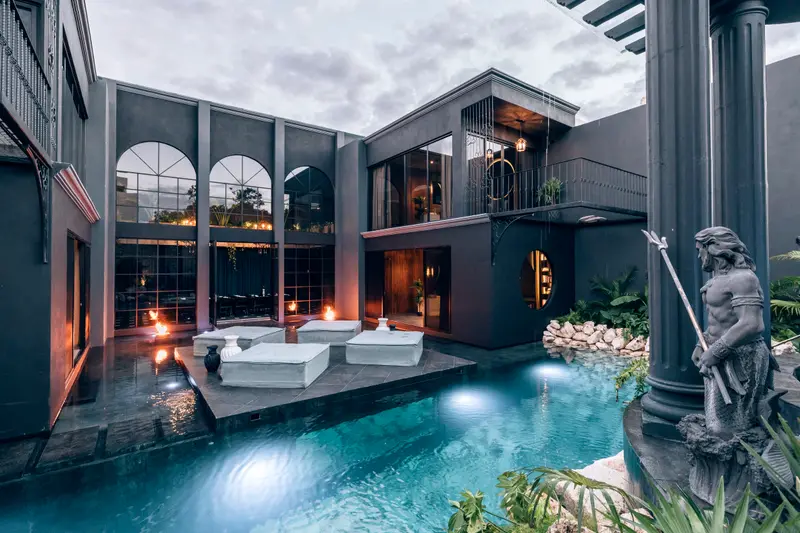
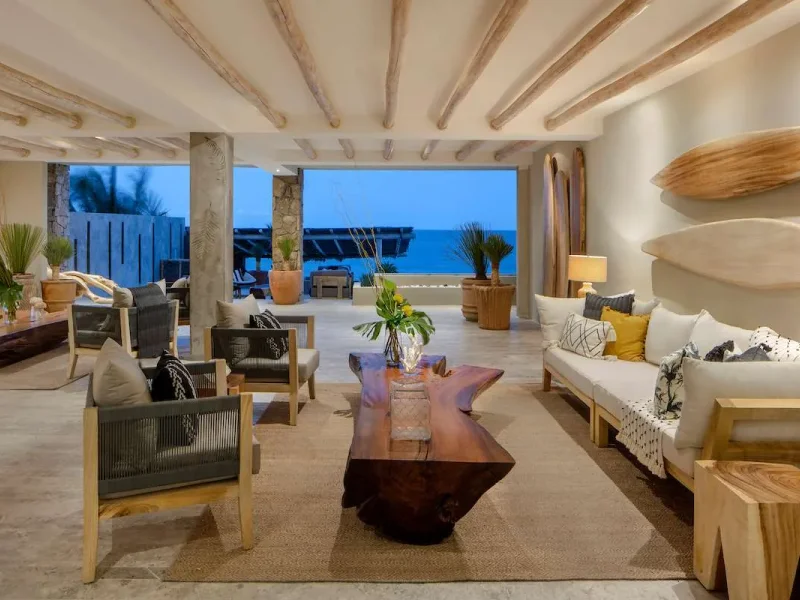
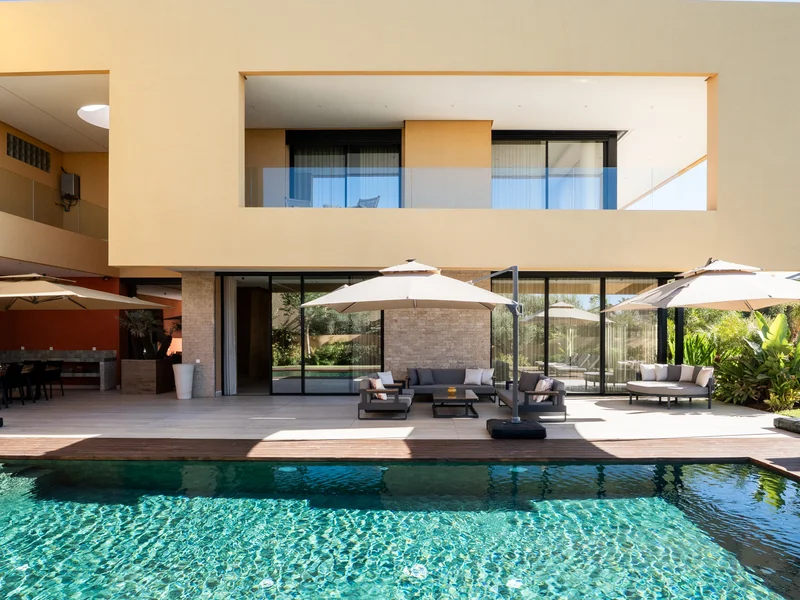
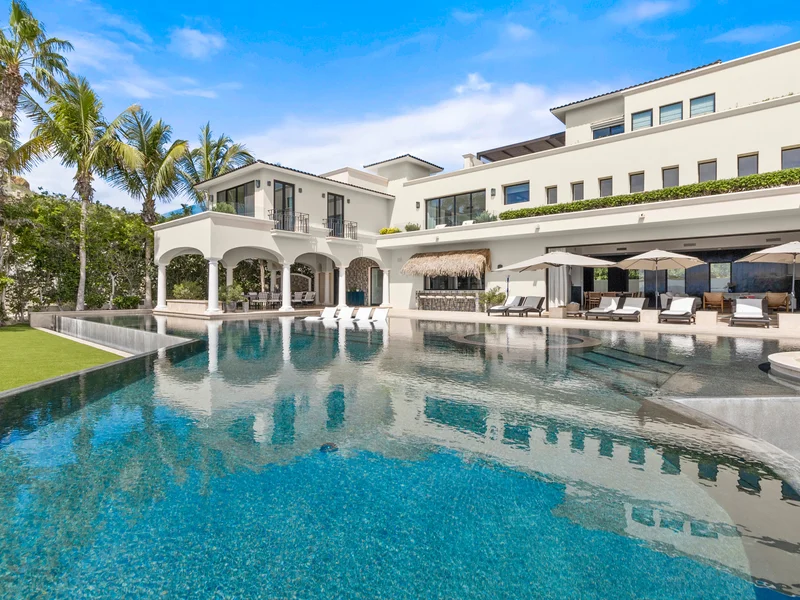
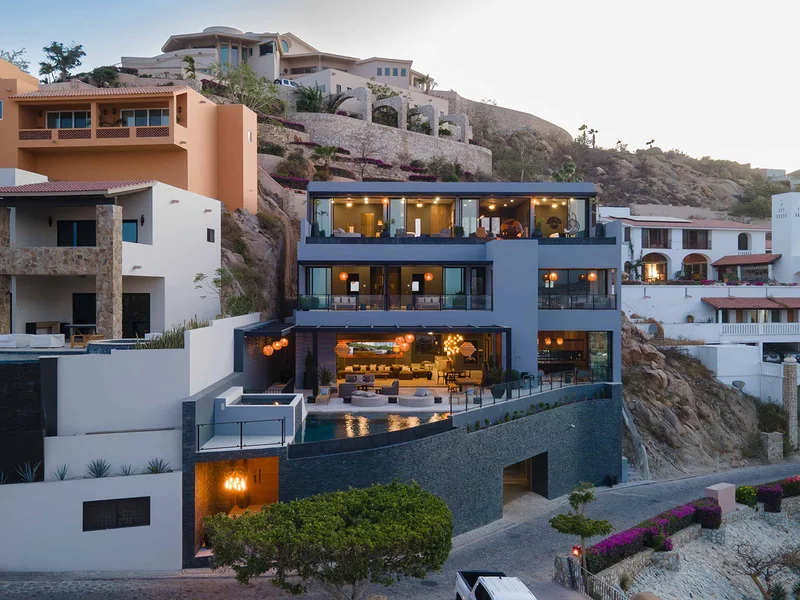
Cabo has a mature private villa market. Pedregal, the gated hillside above Cabo San Lucas, holds clifftop estates with private pools, full staff, and Pacific or marina views. Puerto Los Cabos, Palmilla, Cabo Real, and Chileno Bay each hold gated resort-community villas on the Sea of Cortez side. A group of ten to twenty-four can take an entire staffed estate. Casa Acantilado sleeps ten on the Pacific cliffs; Lucia Noir sleeps twenty-four in Pedregal; Paradiso Perduto sleeps eighteen beachfront in Puerto Los Cabos.
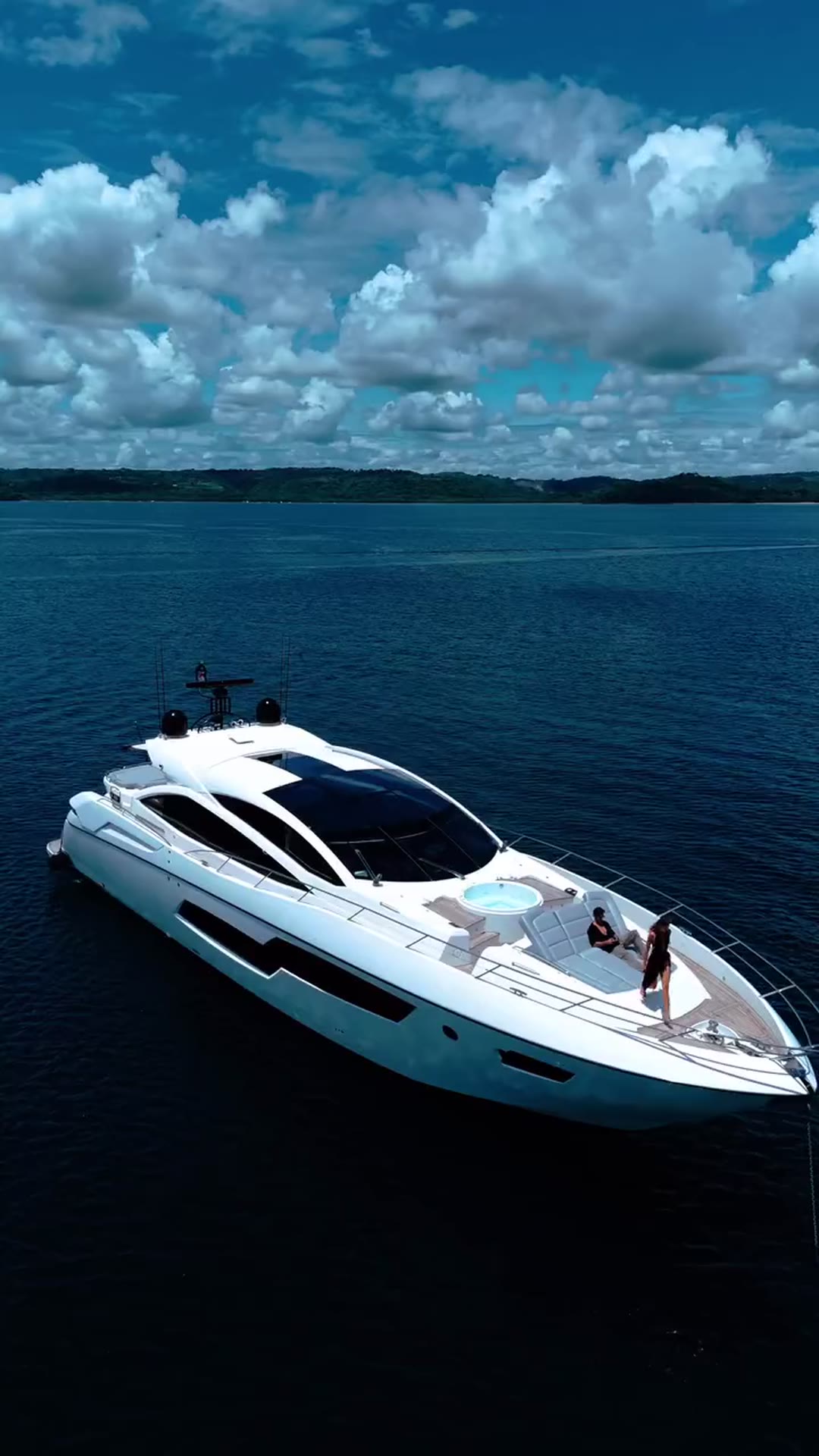
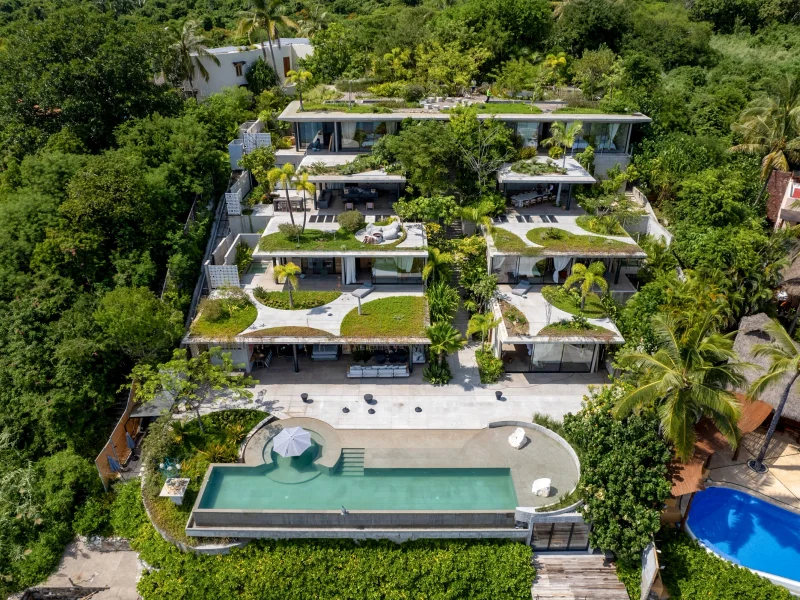
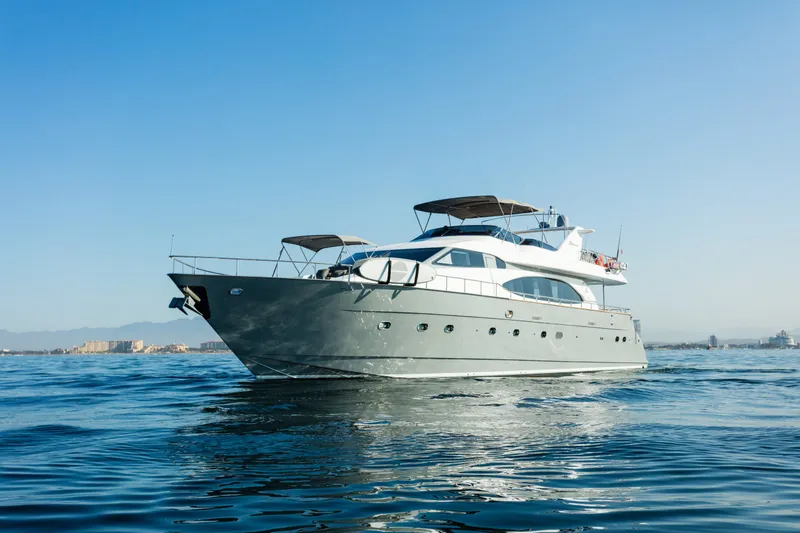
Puerto Vallarta has villas too, concentrated in Conchas Chinas, Amapas, and the Punta Mita peninsula an hour north, but our own roster there is yachts rather than villas: an 85 foot Azimut, a 90 foot Cheoy Lee, and a 122 foot Hatteras operating out of Banderas Bay. That is a real gap in what we can offer and we would rather say it than paper over it. If you want a staffed private villa on the Mexican Pacific from us, Cabo is the answer today. If you want a yacht week out of a sheltered bay with jungle coastline and whale traffic, Puerto Vallarta is a genuinely strong option.
The Water
This is a bigger practical difference than most visitors expect. Cabo has two coastlines with opposite characters. The Pacific side (Playa Divorcio, El Faro, Solmar) has powerful surf and rip currents and is not safe for swimming; those beaches are for walking and photographs. The Sea of Cortez side (Chileno Bay, Santa Maria Cove, Medano) is calm and family-safe. Knowing which beach you are on matters in Cabo and our safety guide covers it in detail.
Puerto Vallarta sits inside Banderas Bay, which is sheltered by headlands at both ends. Nearly the whole bay is swimmable nearly all the time. The southern shoreline toward Mismaloya, Las Animas, Quimixto, and Yelapa is a sequence of jungle coves reached by boat, several with no road access at all. For a family who wants to swim without thinking about it, Puerto Vallarta is the easier water.
Whale Season, Compared
Both destinations have humpback whale season from roughly December through March, and both are genuinely good. The difference is the setting. Cabo whale watching happens in open water off the tip of Baja, with humpbacks and gray whales both passing, and the season is officially set by SEMARNAT, typically December 15 to April 15. The boats go out into the Pacific or the Sea of Cortez and the water can be rough on a windy day.
Puerto Vallarta whale watching happens inside Banderas Bay, which is a humpback calving and breeding ground rather than a migration corridor. Mothers with calves stay in the bay for weeks. The water is sheltered, the boat rides are calm, and the density of sightings in January and February is genuinely high. For families with children or anyone prone to seasickness, Banderas Bay is the easier whale experience. For the dramatic open-ocean version with the Baja landscape behind it, Cabo.
Weather and Season
Cabo is dry desert climate. November through April is the peak: warm, dry, low humidity, and