Best French Riviera Dining Experience
Nice, Cannes and Antibes compared for eating, plus socca, Cours Saleya, beach clubs, August closures and the festival calendar.
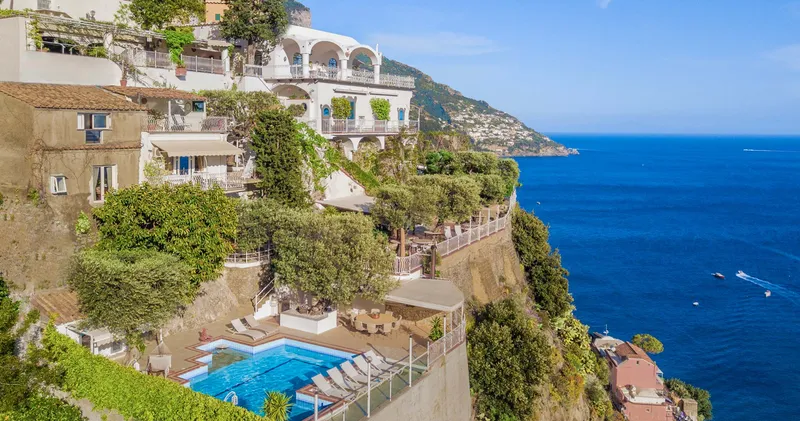
Start with the disclosure, because it is the reason this page exists. ERentals Exclusive does not operate on the French Riviera. We have no villas in Nice, Cannes, Antibes, Saint Tropez, Cap Ferrat or anywhere along that coast, and we are not quietly hoping to place you somewhere nearby. If you are reading this while planning a Riviera trip, we cannot help you with the house. We can help you eat well, because members of our team have spent a long time on that coast, and a useful dining guide written by people with nothing to sell is worth more than a promotional one written by people with everything to sell. If a villa is what you actually need, the coastline we do operate on is the Amalfi Coast and Positano, which is a different sort of place with a different sort of food and, for what it is worth, better swimming from the house. We will come back to that at the end, once, and then leave it alone. The rest of this is about eating on the Riviera. Nice Is the Food Town Of the three main bases, Nice has by a considerable distance the deepest everyday food culture, and it is the one we would send anyone to first if eating is the priority. The reason is historical. Nice was Nizza and belonged to Savoy until the middle of the nineteenth century, and its cooking is genuinely its own, closer to Liguria than to Provence in places, built on chickpea flour, olive oil, anchovy, chard and the produce of the hills behind the city rather than on classical French technique. That gives you a set of dishes you will not find further west along the coast in the same form. Socca, a thin chickpea flour pancake cooked on a huge copper pan in a wood oven, scraped off and eaten standing with pepper. Pissaladiere, an onion tart with anchovy and olives on a bread base, closer to a Ligurian focaccia than to a pizza. Pan bagnat, the salade nicoise compressed into a soaked bread roll and meant to be eaten a couple of hours after it is made. Petits farcis, small summer vegetables stuffed and baked. Stockfish, the dried cod stew known locally as estocaficada, which is not for everybody and is exactly the sort of thing a town cooks when it actually has a cuisine rather than a restaurant scene. Eat these in Vieux Nice, the old town, and specifically at the plainer places rather than the ones with the best terraces. Socca is a street food and it is at its peak thirty seconds out of the oven, which means the right move is to buy it where the oven is and eat it standing, not to order it as a starter in a restaurant where it arrived on a tray ten minutes ago. This is the single most common way visitors have a mediocre first encounter with the best thing in the city. Villa Oliviero, Positano Cours Saleya, and How to Use a Market The market on Cours Saleya runs most mornings and it is both a genuine produce market and a well visited attraction, which means it rewards knowing how to approach it. Go early. By late morning it is full and the stalls facing the main walkways are increasing
Start with the disclosure, because it is the reason this page exists. ERentals Exclusive does not operate on the French Riviera. We have no villas in Nice, Cannes, Antibes, Saint Tropez, Cap Ferrat or anywhere along that coast, and we are not quietly hoping to place you somewhere nearby. If you are reading this while planning a Riviera trip, we cannot help you with the house. We can help you eat well, because members of our team have spent a long time on that coast, and a useful dining guide written by people with nothing to sell is worth more than a promotional one written by people with everything to sell.
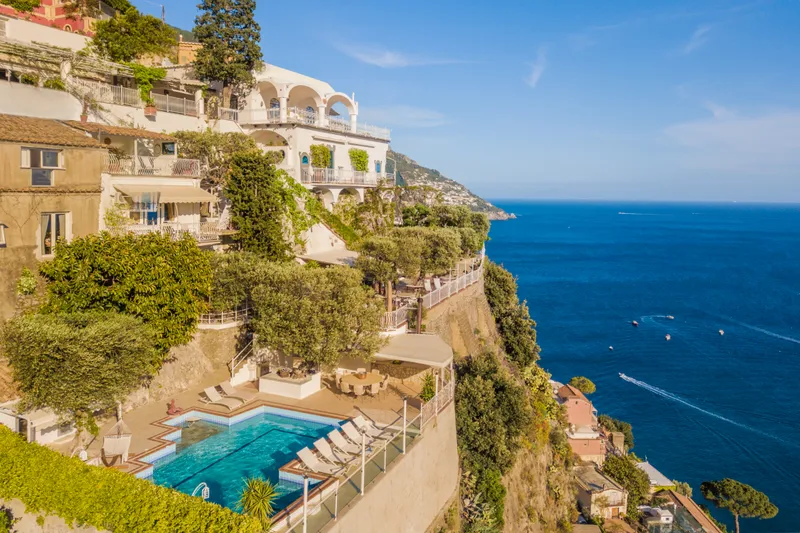
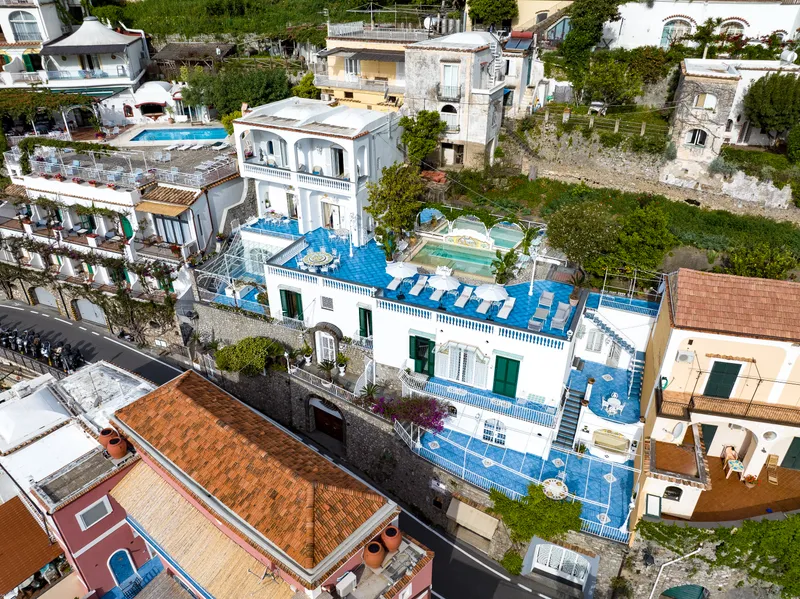
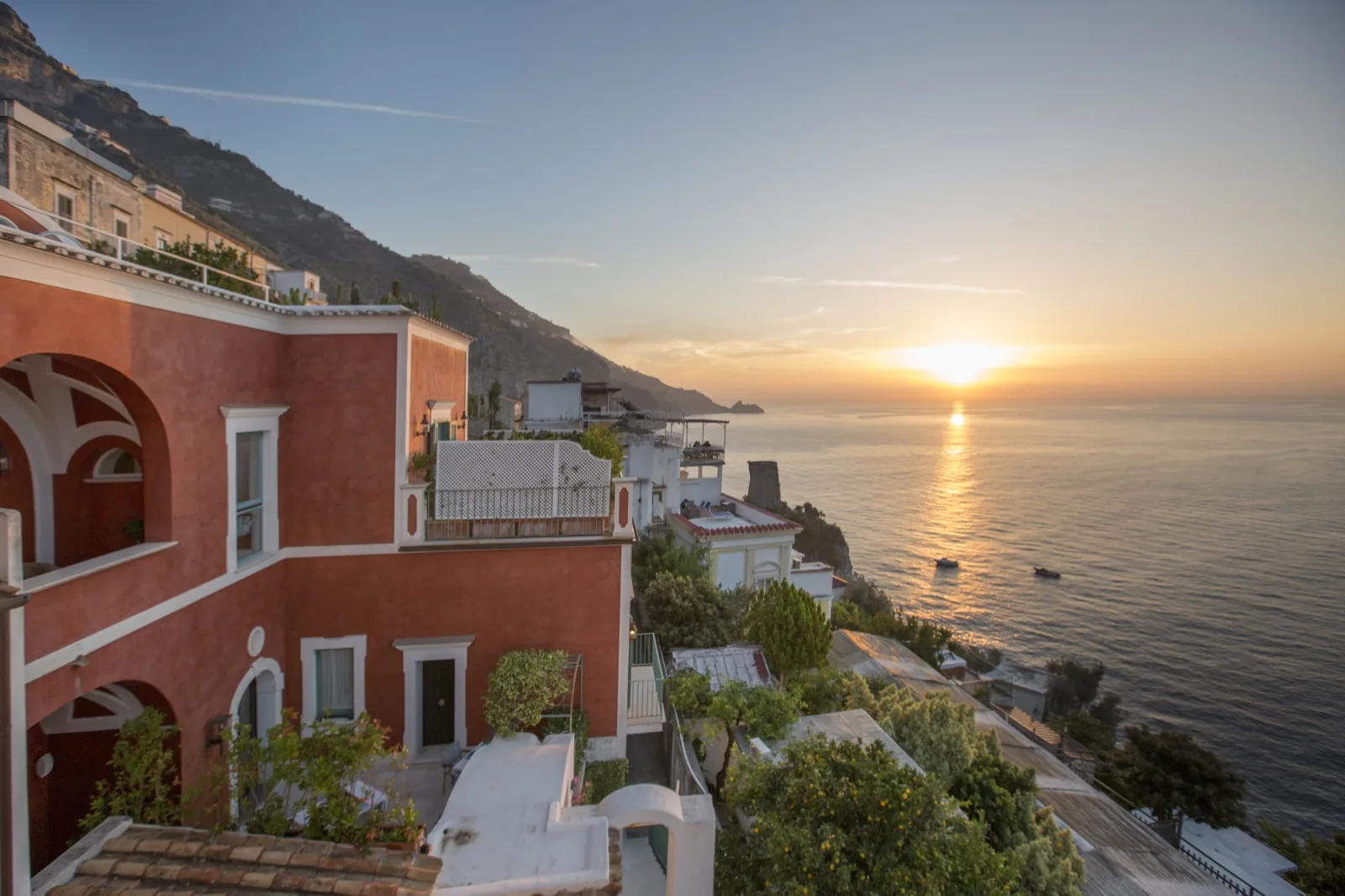
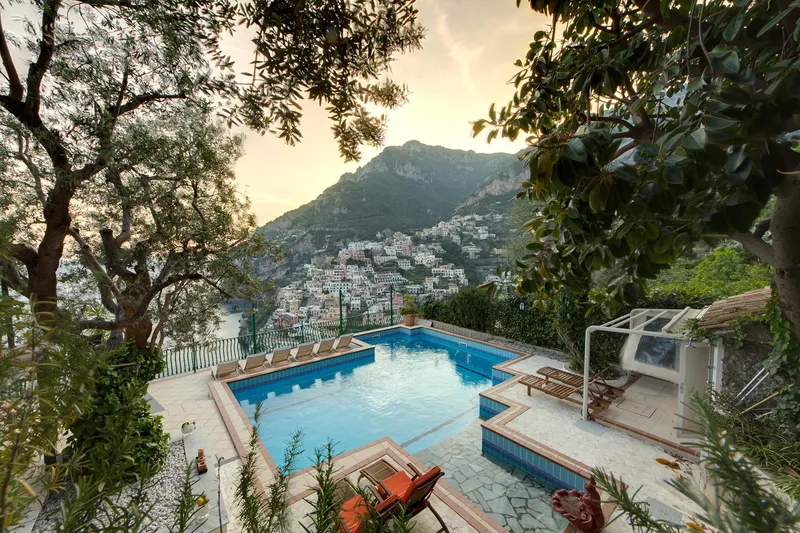
If a villa is what you actually need, the coastline we do operate on is the Amalfi Coast and Positano, which is a different sort of place with a different sort of food and, for what it is worth, better swimming from the house. We will come back to that at the end, once, and then leave it alone. The rest of this is about eating on the Riviera.
Nice Is the Food Town
Of the three main bases, Nice has by a considerable distance the deepest everyday food culture, and it is the one we would send anyone to first if eating is the priority. The reason is historical. Nice was Nizza and belonged to Savoy until the middle of the nineteenth century, and its cooking is genuinely its own, closer to Liguria than to Provence in places, built on chickpea flour, olive oil, anchovy, chard and the produce of the hills behind the city rather than on classical French technique.
That gives you a set of dishes you will not find further west along the coast in the same form. Socca, a thin chickpea flour pancake cooked on a huge copper pan in a wood oven, scraped off and eaten standing with pepper. Pissaladiere, an onion tart with anchovy and olives on a bread base, closer to a Ligurian focaccia than to a pizza. Pan bagnat, the salade nicoise compressed into a soaked bread roll and meant to be eaten a couple of hours after it is made. Petits farcis, small summer vegetables stuffed and baked. Stockfish, the dried cod stew known locally as estocaficada, which is not for everybody and is exactly the sort of thing a town cooks when it actually has a cuisine rather than a restaurant scene.
Eat these in Vieux Nice, the old town, and specifically at the plainer places rather than the ones with the best terraces. Socca is a street food and it is at its peak thirty seconds out of the oven, which means the right move is to buy it where the oven is and eat it standing, not to order it as a starter in a restaurant where it arrived on a tray ten minutes ago. This is the single most common way visitors have a mediocre first encounter with the best thing in the city.
Cours Saleya, and How to Use a Market
The market on Cours Saleya runs most mornings and it is both a genuine produce market and a well visited attraction, which means it rewards knowing how to approach it. Go early. By late morning it is full and the stalls facing the main walkways are increasingly oriented towards visitors: soaps, lavender, printed linens, pre packed nougat. The produce that matters is at the ends and along the sides, and it is very good, particularly in spring and early summer when the local courgettes with their flowers, the small artichokes and the first tomatoes come in.
The market also swaps character entirely on Mondays, when it becomes a brocante with antiques and second hand goods instead of flowers and produce. Visitors who arrive on a Monday expecting the food market are regularly disappointed, and nobody tells them. Check the day. Around the market, the restaurants directly on the square are a mixed group, with several trading almost entirely on position. The better cooking is one or two streets back, in rooms with worse views and shorter menus. That is a reliable rule everywhere on this coast and it is especially true here.
If you are self catering anywhere in the region, the market plus a good fishmonger and one of the older cheese shops in the old town will give you a better lunch than most restaurants at any price, and it is how a lot of people who live there actually eat. A whole fish, bread, tomatoes, olive oil, some socca carried home badly wrapped. That is the Riviera lunch, and it costs very little.
Cannes Eats to a Calendar
Cannes is a different proposition and you should understand what drives it. The city runs on a congress and festival calendar, and dining follows that calendar closely. During the film festival in May, during the advertising and music industry weeks, and during the yacht show in September, the restaurants are full of people on expenses, tables are held weeks out, and the prices and the service reflect a market where the customer is not paying personally. Outside those weeks the same rooms are calmer, more pleasant, and better value.
The food itself is good rather than distinctive. Classic French cooking done competently, a strong showing of Italian, a lot of seafood, and a well established group of high end rooms along the Croisette attached to the grand hotels. If you want a formal, beautifully served dinner in a room with a view, Cannes delivers that as well as anywhere on the coast. What it does not have to the same degree is Nice old town everyday eating, the place you walk into without a booking and eat something particular to the region.
The rue Meynadier and the market at Forville are where Cannes is most itself, and they are worth an hour in the morning more than the Croisette is worth an afternoon. Le Suquet, the old quarter climbing the hill, has a concentration of restaurants along one street that is pretty, busy and highly variable. Look at what is on the plates as you walk up rather than at the menus outside, which is generally the best decision making tool available to a visitor in any tourist quarter in Europe.
Antibes and the Harbour
Antibes sits between the two in character and is, for many people, the most pleasant base. It has a proper