Best Things to Do in Positano

What to do in Positano, what to skip, and how stairs, ferries and the coast road shape every day of the trip.

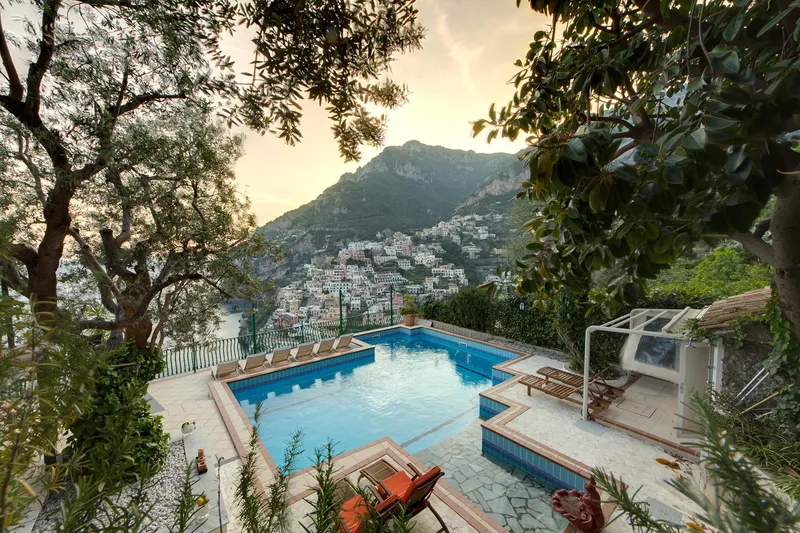
Positano is a town poured down a cliff, and everything about a week there follows from that one fact. It is beautiful in a way that survives its own fame, which is rare. It is also vertical, narrow, seasonal and reachable by one road that was not designed for the traffic it now carries. Guests who understand those constraints before arriving have a wonderful week. Guests who plan it like a flat seaside town with day trips in every direction spend a lot of the week on a bus, on a stair, or waiting. This guide is written for the first group, and it includes the parts that will talk some readers out of the town entirely, because for a few people it is genuinely the wrong choice and better said now. The Stairs Are Not a Figure of Speech There is no flat walk in Positano. Getting from the top of town to the beach is a long descent by stepped lanes, and getting back is that same climb in the heat with whatever you bought. Small internal buses loop the upper road and help, but they do not reach most front doors, and the last stretch to any house is almost always steps. Guests arrive with large hard cases and discover that the final approach cannot take wheels. Porters exist and are worth every cent, and any decent house will arrange them. Say the uncomfortable part clearly: if anyone in your party has a knee problem, a hip replacement, a heart condition or simply does not walk far, Positano will be hard work and may well be miserable. That is not a reason nobody should go, it is a reason to be honest about who is going. Praiano and parts of the coast towards Amalfi are gentler, and there are houses here with lift access from a road. If mobility is a real constraint in your group, tell whoever is booking before you fall in love with a photograph of a terrace at the top of eighty steps. The Path of the Gods, Done Properly The Sentiero degli Dei is the one thing on this coast we push hardest. It is a high footpath running along the ridge above the sea between Agerola and Nocelle, with the whole coast and Capri laid out below you, and it delivers something no boat or terrace does: the geography of the place, in one piece, from above. It is not technical, but it is uneven underfoot, exposed in places, and genuinely hot from late morning onwards. Do it in the right direction and at the right hour. Start from Bomerano at the Agerola end, early, and walk down towards Nocelle rather than climbing up from Positano. That way the elevation works for you rather than against you, and you finish with a descent into town and a swim. Wear real shoes rather than sandals, take more water than you think, and do not start after nine in high summer. Allow around half a day door to door. Those who do it invariably rank it the best morning of the trip, and those who attempt it uphill at midday remember it for different reasons. Villa Oliviero, Positano The Coast Road Is the Constraint The road along this coast is a single narrow route with hairpins, blind corners, cliff on one

Positano is a town poured down a cliff, and everything about a week there follows from that one fact. It is beautiful in a way that survives its own fame, which is rare. It is also vertical, narrow, seasonal and reachable by one road that was not designed for the traffic it now carries. Guests who understand those constraints before arriving have a wonderful week. Guests who plan it like a flat seaside town with day trips in every direction spend a lot of the week on a bus, on a stair, or waiting. This guide is written for the first group, and it includes the parts that will talk some readers out of the town entirely, because for a few people it is genuinely the wrong choice and better said now.

The Stairs Are Not a Figure of Speech

There is no flat walk in Positano. Getting from the top of town to the beach is a long descent by stepped lanes, and getting back is that same climb in the heat with whatever you bought. Small internal buses loop the upper road and help, but they do not reach most front doors, and the last stretch to any house is almost always steps. Guests arrive with large hard cases and discover that the final approach cannot take wheels. Porters exist and are worth every cent, and any decent house will arrange them.

Say the uncomfortable part clearly: if anyone in your party has a knee problem, a hip replacement, a heart condition or simply does not walk far, Positano will be hard work and may well be miserable. That is not a reason nobody should go, it is a reason to be honest about who is going. Praiano and parts of the coast towards Amalfi are gentler, and there are houses here with lift access from a road. If mobility is a real constraint in your group, tell whoever is booking before you fall in love with a photograph of a terrace at the top of eighty steps.

The Path of the Gods, Done Properly

The Sentiero degli Dei is the one thing on this coast we push hardest. It is a high footpath running along the ridge above the sea between Agerola and Nocelle, with the whole coast and Capri laid out below you, and it delivers something no boat or terrace does: the geography of the place, in one piece, from above. It is not technical, but it is uneven underfoot, exposed in places, and genuinely hot from late morning onwards.

Do it in the right direction and at the right hour. Start from Bomerano at the Agerola end, early, and walk down towards Nocelle rather than climbing up from Positano. That way the elevation works for you rather than against you, and you finish with a descent into town and a swim. Wear real shoes rather than sandals, take more water than you think, and do not start after nine in high summer. Allow around half a day door to door. Those who do it invariably rank it the best morning of the trip, and those who attempt it uphill at midday remember it for different reasons.

The Coast Road Is the Constraint

The road along this coast is a single narrow route with hairpins, blind corners, cliff on one side and drop on the other, and coaches that have to reverse to let each other past. In high season it congests badly and there is no alternative road. A short distance on the map is routinely an hour in practice. This is not a complaint about Italy, it is the physical constraint that determines what your day can contain, and the itinerary that includes Pompeii, Ravello and a beach in the same day was written by somebody who has not driven it.

Practical responses. Do not self-drive unless you are confident and unbothered by that kind of road, because parking in Positano is limited, expensive and mostly in garages at the top of town. Use a driver for road days and the ferry for everything else. Travel in the early morning or after the coaches have gone, which is roughly after six in the evening. And build one excursion per day at most. The single most common itinerary failure we see here is three planned stops and two hours of it spent stationary behind a bus.

Arrive by Water If You Possibly Can

Positano was built facing the sea and it still makes most sense from there. Arriving by boat you see the whole town stacked in front of you, you land at the beach rather than at a garage at the top, and you skip the road entirely. Ferries run along the coast to Amalfi, Sorrento and Capri through the season, and a private transfer by boat from the Naples or Sorrento side is one of the few upgrades here we recommend without hesitation, because it converts the worst part of the trip into the best hour of it.

The caveats are real. The ferries are seasonal and largely stop outside the warmer months, they are cancelled in rough weather with limited notice, and the landing at Positano is on a beach rather than in a sheltered harbour, which means swell matters. Never plan a flight connection that depends on a ferry. Keep a road option in reserve for departure day. And check the last sailing time before you commit to a long lunch in Amalfi, because being stranded at the wrong end of the coast at nine in the evening is an expensive taxi.

The Beaches, and What You Are Actually Paying For

Spiaggia Grande is the main beach in front of town, it is pebbles rather than sand, and the majority of it is organised into paid rows of loungers with a free public section that fills early. It is pleasant, the water is clean and the view back at the town is the view everybody photographs. It is also busy from mid morning and it is not where you will have your best swim. Fornillo, a ten minute walk around the headland on a coastal path, is smaller, quieter and better for most of the day.

The better swimming is reached by water. Small boats run to beaches with no road access along this stretch, and a half day hiring something modest with a driver gets you into water that nobody can walk to, with lunch at a place accessible only from the sea. That, rather than a lounger in the front row, is the version worth spending on here. If the beach is the centre of
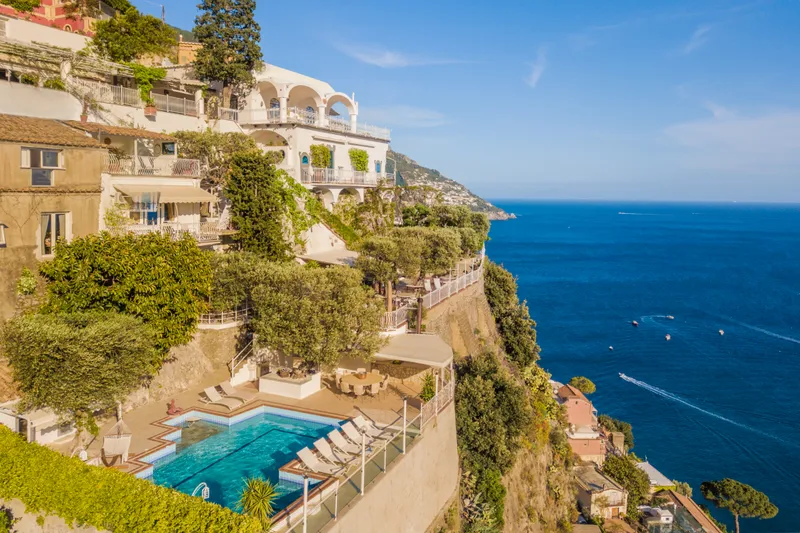
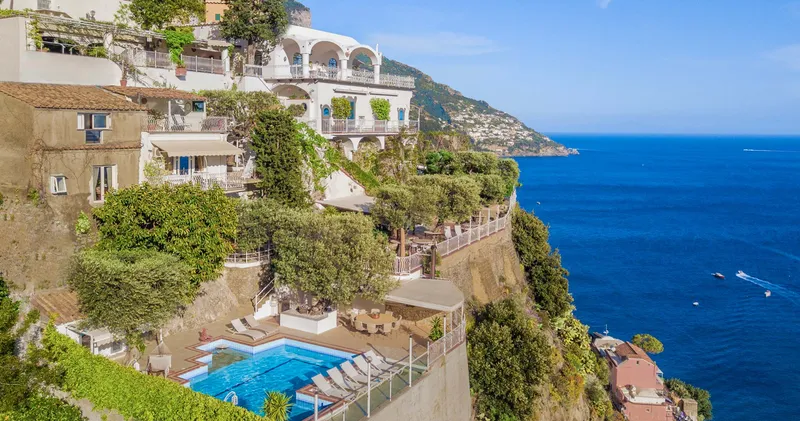
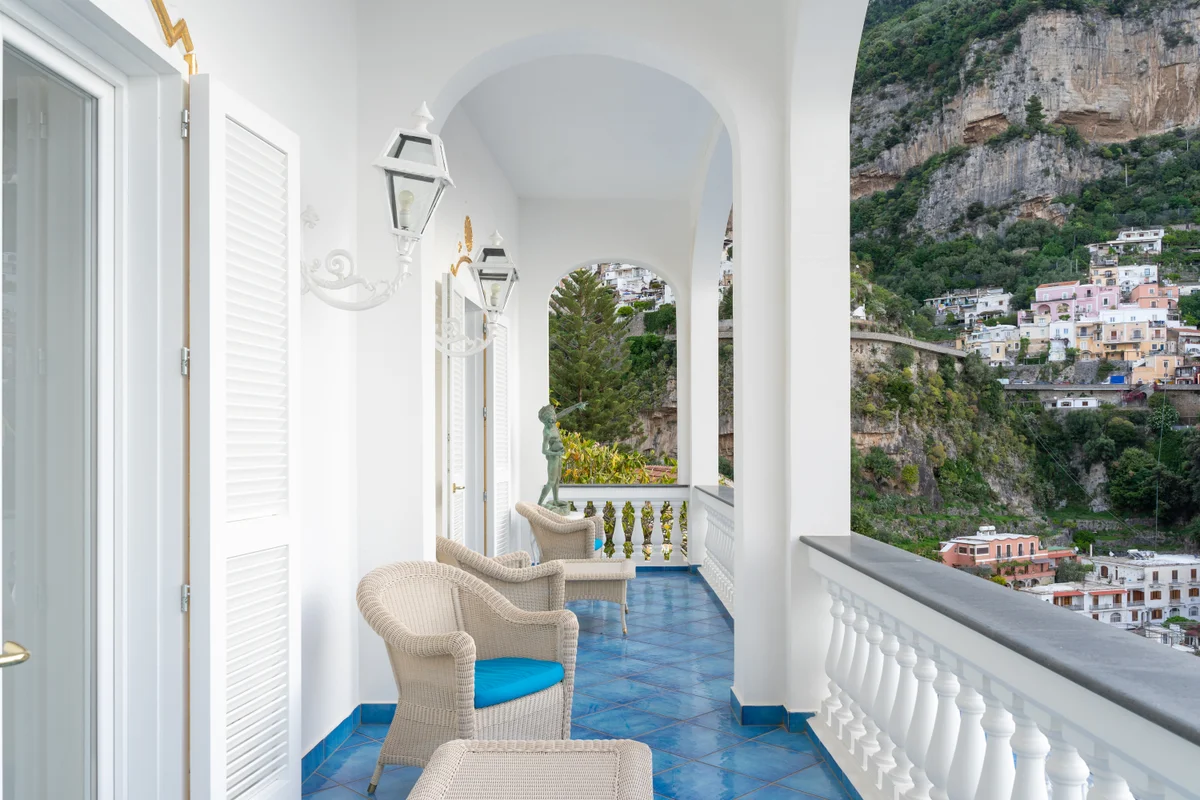
Cliffside villa terrace above the sea on the Amalfi Coast
Guides
POSITANO

Best Things to Do in Positano

The Town Is a Staircase, and That Changes Everything
Cameron Elder
·
September 25, 2026
·
11 min read
An honest guide to Positano: the walk that is worth it, the day trip that is not, and why the coast road decides your week.
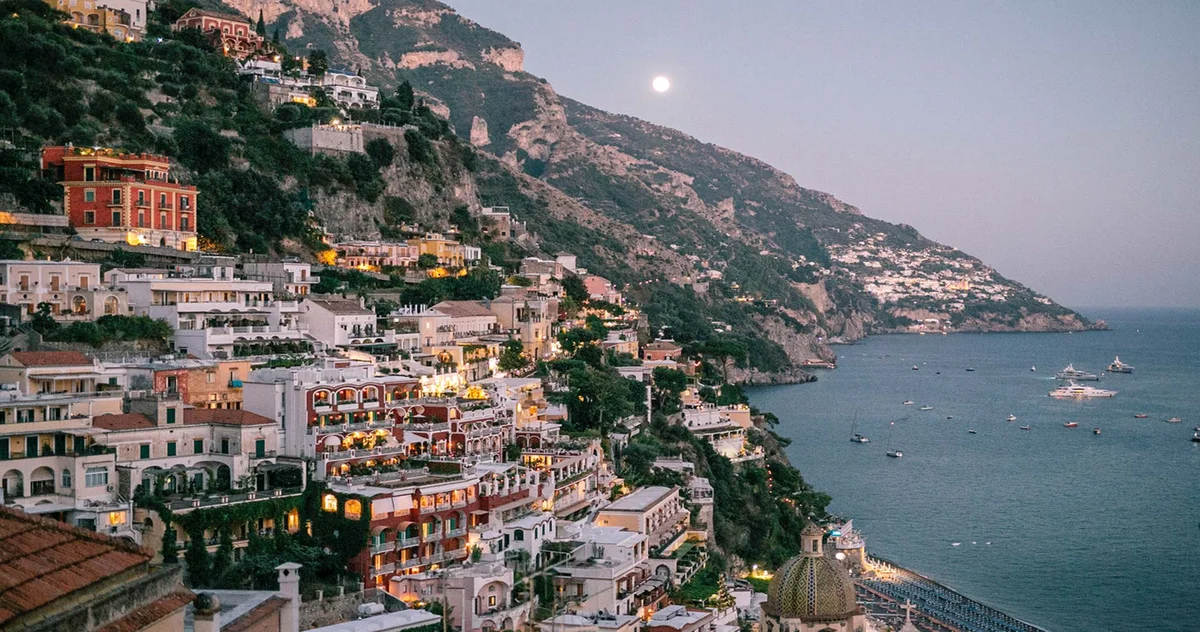
Positano is a town poured down a cliff, and everything about a week there follows from that one fact. It is beautiful in a way that survives its own fame, which is rare. It is also vertical, narrow, seasonal and reachable by one road that was not designed for the traffic it now carries. Guests who understand those constraints before arriving have a wonderful week. Guests who plan it like a flat seaside town with day trips in every direction spend a lot of the week on a bus, on a stair, or waiting. This guide is written for the first group, and it includes the parts that will talk some readers out of the town entirely, because for a few people it is genuinely the wrong choice and better said now.

The Stairs Are Not a Figure of Speech

There is no flat walk in Positano. Getting from the top of town to the beach is a long descent by stepped lanes, and getting back is that same climb in the heat with whatever you bought. Small internal buses loop the upper road and help, but they do not reach most front doors, and the last stretch to any house is almost always steps. Guests arrive with large hard cases and discover that the final approach cannot take wheels. Porters exist and are worth every cent, and any decent house will arrange them.
Say the uncomfortable part clearly: if anyone in your party has a knee problem, a hip replacement, a heart condition or simply does not walk far, Positano will be hard work and may well be miserable. That is not a reason nobody should go, it is a reason to be honest about who is going. Praiano and parts of the coast towards Amalfi are gentler, and there are houses here with lift access from a road. If mobility is a real constraint in your group, tell whoever is booking before you fall in love with a photograph of a terrace at the top of eighty steps.

The Path of the Gods, Done Properly

The Sentiero degli Dei is the one thing on this coast we push hardest. It is a high footpath running along the ridge above the sea between Agerola and Nocelle, with the whole coast and Capri laid out below you, and it delivers something no boat or terrace does: the geography of the place, in one piece, from above. It is not technical, but it is uneven underfoot, exposed in places, and genuinely hot from late morning onwards.
Do it in the right direction and at the right hour. Start from Bomerano at the Agerola end, early, and walk down towards Nocelle rather than climbing up from Positano. That way the elevation works for you rather than against you, and you finish with a descent into town and a swim. Wear real shoes rather than sandals, take more water than you think, and do not start after nine in high summer. Allow around half a day door to door. Those who do it invariably rank it the best morning of the trip, and those who attempt it uphill at midday remember it for different reasons.
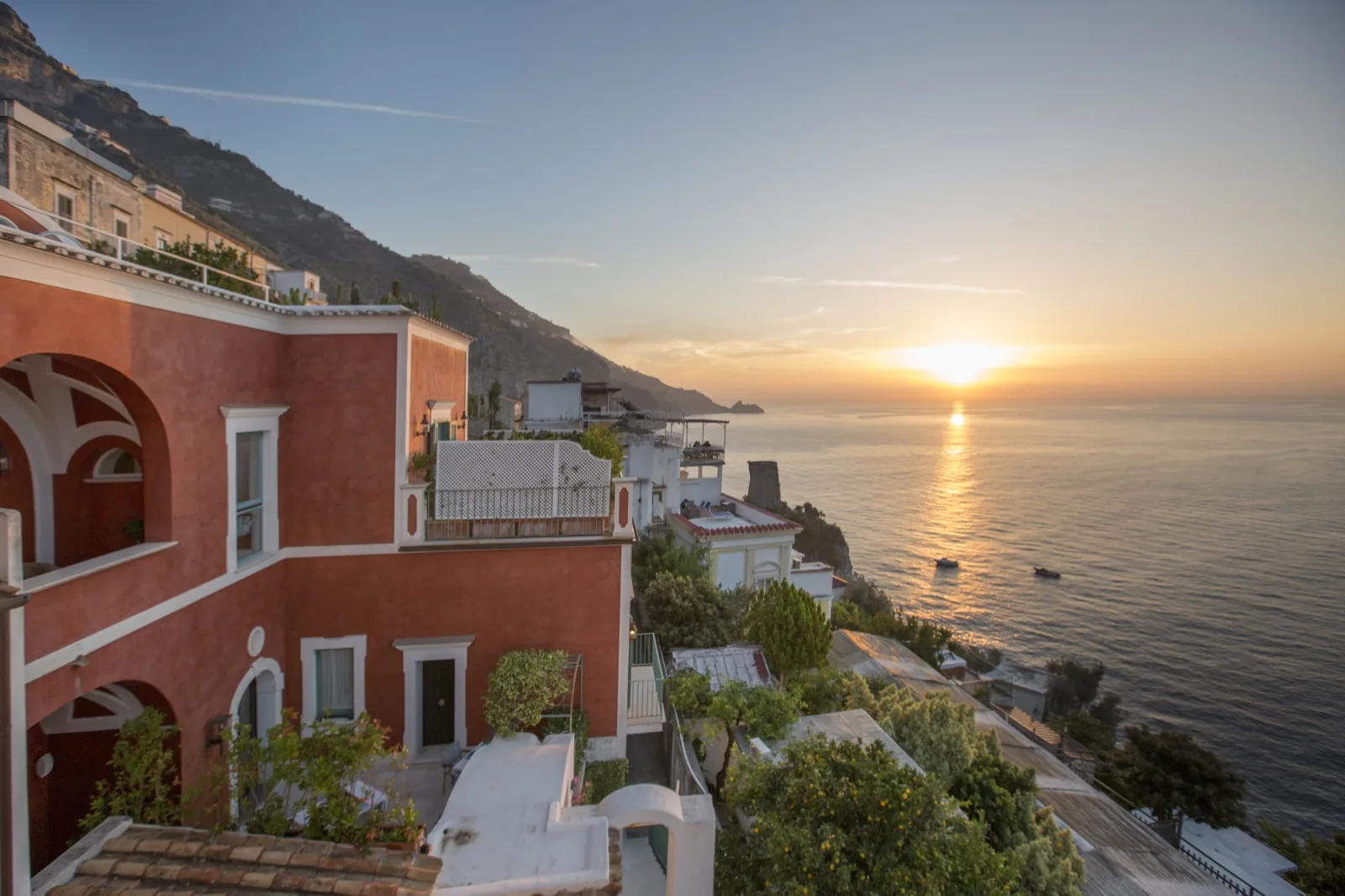
Terrace with sea view and lemon trees above Positano
Villa Oliviero, Positano

The Coast Road Is the Constraint

The road along this coast is a single narrow route with hairpins, blind corners, cliff on one side and drop on the other, and coaches that have to reverse to let each other past. In high season it congests badly and there is no alternative road. A short distance on the map is routinely an hour in practice. This is not a complaint about Italy, it is the physical constraint that determines what your day can contain, and the itinerary that includes Pompeii, Ravello and a beach in the same day was written by somebody who has not driven it.
Practical responses. Do not self-drive unless you are confident and unbothered by that kind of road, because parking in Positano is limited, expensive and mostly in garages at the top of town. Use a driver for road days and the ferry for everything else. Travel in the early morning or after the coaches have gone, which is roughly after six in the evening. And build one excursion per day at most. The single most common itinerary failure we see here is three planned stops and two hours of it spent stationary behind a bus.

Arrive by Water If You Possibly Can

Positano was built facing the sea and it still makes most sense from there. Arriving by boat you see the whole town stacked in front of you, you land at the beach rather than at a garage at the top, and you skip the road entirely. Ferries run along the coast to Amalfi, Sorrento and Capri through the season, and a private transfer by boat from the Naples or Sorrento side is one of the few upgrades here we recommend without hesitation, because it converts the worst part of the trip into the best hour of it.
The caveats are real. The ferries are seasonal and largely stop outside the warmer months, they are cancelled in rough weather with limited notice, and the landing at Positano is on a beach rather than in a sheltered harbour, which means swell matters. Never plan a flight connection that depends on a ferry. Keep a road option in reserve for departure day. And check the last sailing time before you commit to a long lunch in Amalfi, because being stranded at the wrong end of the coast at nine in the evening is an expensive taxi.

The Beaches, and What You Are Actually Paying For

Spiaggia Grande is the main beach in front of town, it is pebbles rather than sand, and the majority of it is organised into paid rows of loungers with a free public section that fills early. It is pleasant, the water is clean and the view back at the town is the view everybody photographs. It is also busy from mid morning and it is not where you will have your best swim. Fornillo, a ten minute walk around the headland on a coastal path, is smaller, quieter and better for most of the day.
The better swimming is reached by water. Small boats run to beaches with no road access along this stretch, and a half day hiring something modest with a driver gets you into water that nobody can walk to, with lunch at a place accessible only from the sea. That, rather than a lounger in the front row, is the version worth spending on here. If the beach is the centre of your holiday rather than the backdrop, this coast is honestly not the strongest choice in Italy and we would say so before you book.
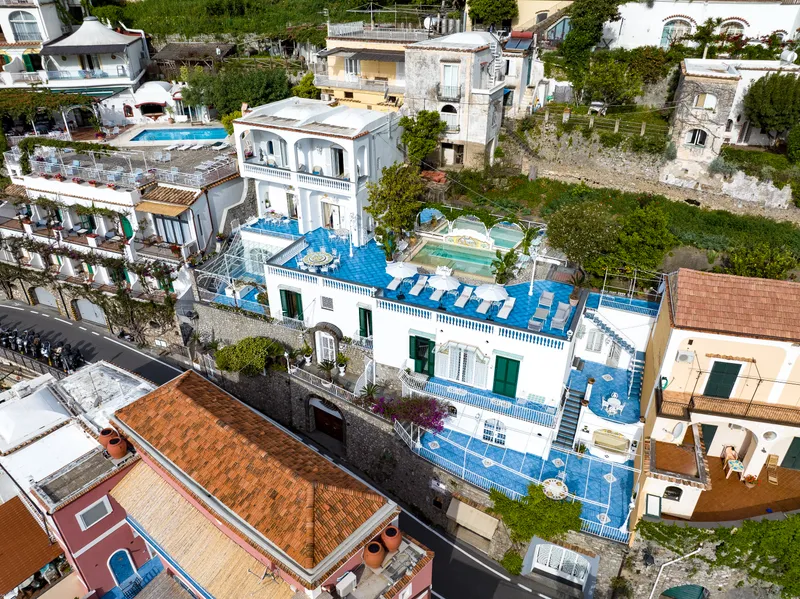
Pergola shaded dining terrace overlooking the Amalfi Coast
Villa Mon Repos, Positano

The Overrated Day: Capri in August

Capri is genuinely beautiful and in peak season the standard day trip is close to unpleasant. You take a crowded ferry, arrive with several other crowded ferries, queue for the funicular, walk a town centre that is full of the same luxury retail you can find anywhere, queue again for the Blue Grotto where you are transferred into a small rowing boat for a few minutes inside a cave, and take the crowded ferry back. It is a spectacle worth seeing once and rarely the best day of the trip.
If you go, change the shape of it. Go by private boat rather than ferry, circle the island by sea where it is at its best, swim off the faraglioni, and either skip the grotto or accept that the queue is longer than the visit. Go up to Anacapri and the chairlift rather than staying in the main town. Or, more usefully for most groups, skip Capri altogether and give the day to Ravello, which is high above the coast with gardens and views that beat anything at sea level, and a fraction of the crowd.

The Day the Weather Turns

Rain on a vertical town makes the stepped lanes slick and the views disappear, so a wet day here is a day to go inland and indoors. Herculaneum is the better of the two famous Roman sites for most visitors: smaller than Pompeii, far better preserved, with upper floors, timber and mosaics still in place, and coverable in a couple of hours without exhaustion. Pompeii is vast, largely unshaded and overwhelming without a guide, and half a day there in bad conditions tests anyone.
Closer to home there is the ceramics town of Vietri at the far end of the coast, the paper museum at Amalfi, the cathedral and cloister in Amalfi itself, and the lemon terraces above town where growers run tastings under cover. And a villa with a covered terrace and a long lunch is a perfectly respectable answer to a grey day on this coast. The storms tend to be short and dramatic rather than all day, so do not write off the afternoon at breakfast.

Food, Lemons and the Tourist Tax

The food on this coast is excellent and the tourist trade has produced a layer of places that survive on turnover and view. The signals are reliable: photographs of every dish outside, a menu in six languages, somebody in the doorway trying to seat you. Walk past those. The good kitchens are up the stairs away from the beach, in the villages behind the coast, and in the places where booking is required because there are nine tables. Seafood, the local pasta, tomatoes that taste like a different species, and lemons the size of a fist.
The lemon industry is genuine rather than a gimmick, and a tour of a working terrace with a family that has farmed it for generations is one of the better small experiences here. The limoncello stacked in every shop window on the main lane is a different thing entirely. Book dinner ahead for every night in season, because the best rooms are small and fill weeks out, and a private chef in a villa on this coast is a strong option given that every dinner otherwise ends with a climb home in the dark.
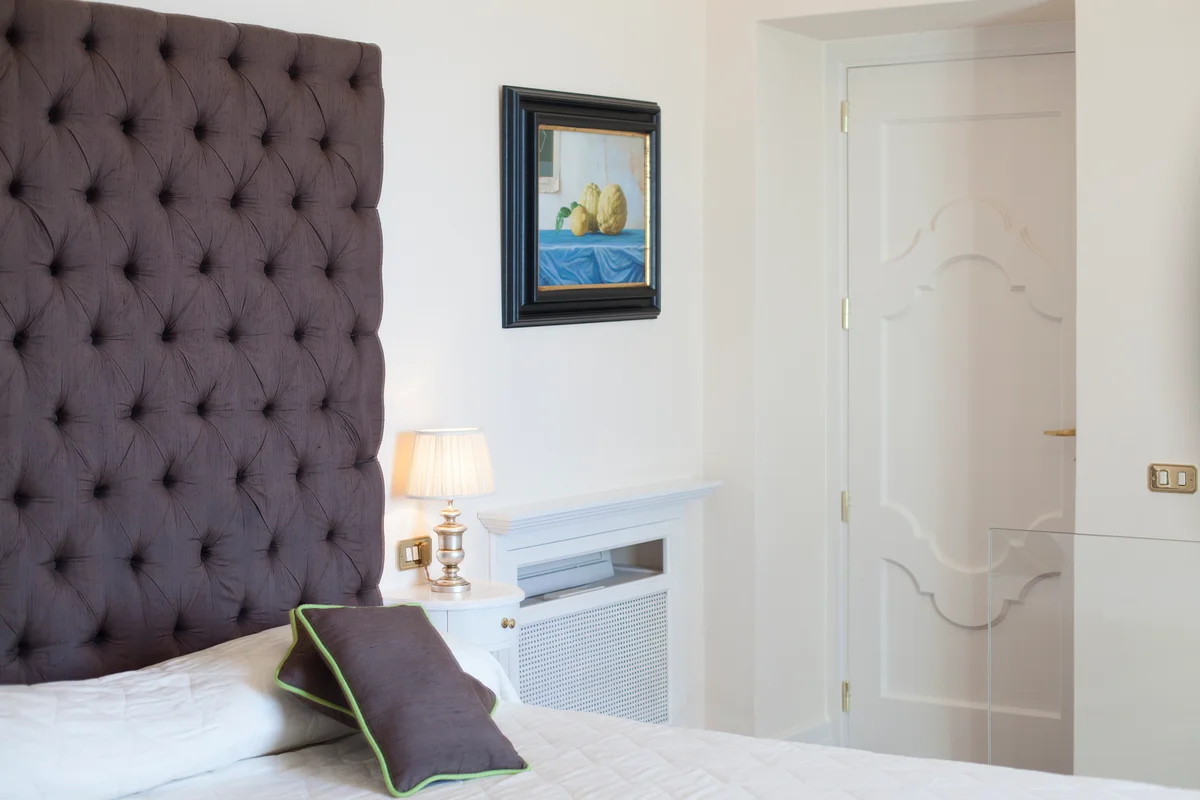
Whitewashed bedroom opening onto a sea view balcony in Positano
Villa Ferida, Positano

Season, and Who Should Not Come

This coast is properly seasonal. Through winter a large share of hotels, restaurants and shops close, the ferries mostly stop, and the town is quiet, damp and beautiful in an entirely different register. May, June, September and early October are the best weeks: warm water, open venues, manageable crowds and a road that still moves. July and August bring the heat, the coaches, the full car parks and the hardest booking conditions of the year.
Who should not come: anyone who needs a flat town, anyone whose holiday is mainly sand, and anyone who wants six destinations in a week. Who should: anyone who wants one extraordinary place, a walk that stays with them, dinner on a terrace above the sea and the patience to let a day contain one good thing. We would rather lose a booking to that honesty than have a family arrive with a relative who cannot manage the stairs and a schedule the road will not permit.
Key Takeaways
Positano is built as a staircase and there is no flat route through it, so mobility is a genuine planning factor rather than a detail.
The Path of the Gods is the best thing to do on this coast and it should be walked early and downhill towards the town.
The coast road is a single narrow route with no alternative, and it sets the ceiling on what any day can contain.
Arriving and moving by boat changes the trip entirely, and the ferries do not run year round.
Capri in peak season is the most oversold day on the itinerary for the average visitor.

Frequently Asked Questions

How difficult are the stairs in Positano really?
Difficult enough to plan around. The town is built down a cliff and there is no flat route, so every trip to the beach is a long descent and a long climb back. Internal buses cover the upper road but rarely reach front doors. If anyone in the group has mobility limits, choose a house with road or lift access or consider a gentler town on the coast.
Is the Path of the Gods worth it?
It is the best half day on this coast. Start at the Agerola end early in the morning and walk downhill towards Nocelle so the elevation works in your favour, and finish with a swim. Wear proper shoes, carry plenty of water, and do not begin late in the day in summer, since the path is exposed and gets very hot.
Should I rent a car?
Usually not. The coast road is narrow, congested in season and demanding to drive, and parking in Positano is limited and mostly in garages at the top of town. A driver for road days and ferries for everything else is easier, cheaper in practice once parking is counted, and considerably less stressful.
Do the ferries run all year?
No. The coastal ferries are seasonal and largely stop outside the warmer months, and even in season they are cancelled in rough weather at short notice because the landing at Positano is an open beach rather than a sheltered harbour. Never plan a flight connection that depends on a ferry, and always keep a road option in reserve.
Is Capri worth a day trip?
In peak season, for most visitors, it is the weakest day on the itinerary. Crowded ferries, queues for the funicular and the grotto, and a town centre of luxury retail. If you go, take a private boat, circle the island by sea and swim, or skip it entirely and give the day to Ravello, which has better gardens, better views and far fewer people.
Pompeii or Herculaneum?
Herculaneum for most people. It is much smaller, far better preserved with upper floors and timber still standing, and comfortably covered in a couple of hours. Pompeii is enormous, largely unshaded and hard going without a guide. If you only have one site and limited patience, Herculaneum delivers more per hour.
What are the beaches like?
Pebbles rather than sand, with the main beach mostly organised into paid lounger rows and a free section that fills early. Fornillo around the headland is quieter. The best swimming is reached by boat, at coves with no road access. If sand is central to your holiday, this coast is not the strongest choice in Italy.
When should I visit?
May, June, September and early October are the sweet spots: warm water, everything open, crowds and traffic still manageable. July and August are hottest and busiest with the hardest booking conditions. In winter much of the town closes and the ferries stop, which some travellers love and most first-time visitors would not enjoy.
Follow the journey @erentalsexclusive + @aurelseyez
Villa tours, destination guides, and behind-the-scenes content from the team on the ground
Cameron Elder
Founder, ERentals Exclusive
italy
positano
things-to-do

See it in motion

From the feed

Real stays, real light. Tap any film to watch it full screen.

Stay in the loop
© 2026 ERentals Exclusive